How to Make Yeast-Free Buckwheat Bread
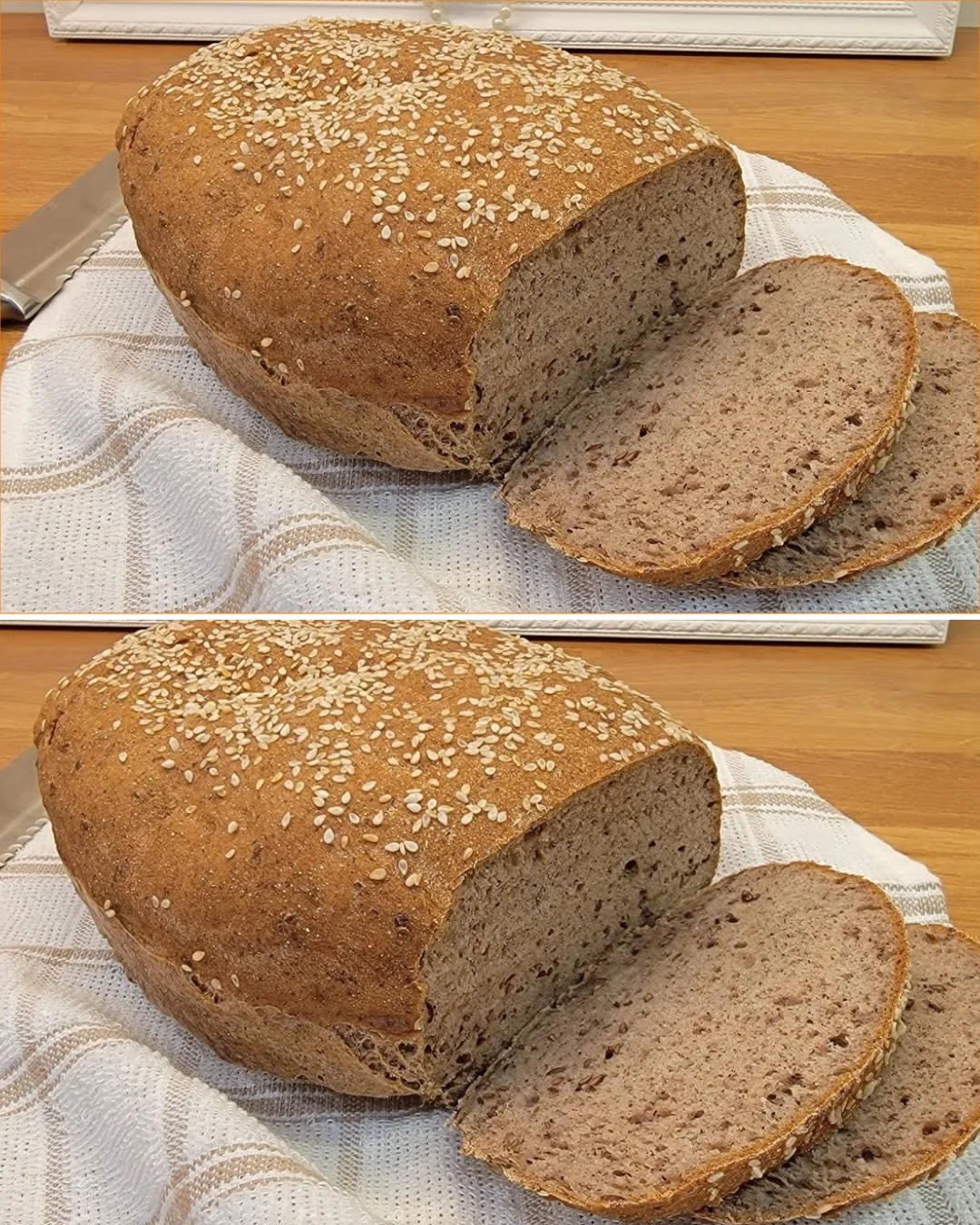
There’s something incredibly satisfying about baking your own bread, especially when it’s both simple and gluten-free. This Easy Yeast-Free Buckwheat Bread is just that—a straightforward recipe that yields a firm yet fluffy loaf without any yeast fuss. It’s perfect for those of us who prefer to keep things straightforward in the kitchen while enjoying wholesome ingredients. Plus, it’s packed with nutrients from buckwheat, flaxseeds, and chickpea flour. Whether you’re spreading it with your favorite nut butter for breakfast or using it as a side for soups, this bread is versatile and delicious.
Why You’ll Love This Recipe
- Quick and Easy: No yeast means no rising time; just mix, shape, and bake.
- Nutrient-Rich: Packed with fiber and protein from whole ingredients.
- Gluten-Free: Perfect for those with gluten sensitivities or preferences.
- Customizable: Add seeds or herbs based on your taste.
- Great Texture: Firm yet fluffy, it holds up well for sandwiches or toasts.
Ingredients
- 500 ml (2 cups) water
- 6 tablespoons psyllium husk powder
- 200 g (1 ½ cups) buckwheat flour
- 200 g (1 ¾ cups) rice flour
- 100 g (1 cup) chickpea flour
- 1 tablespoon baking powder
- 1 teaspoon salt
- 50 g (½ cup) flaxseeds
- 320 ml (1 ⅓ cups) water
- A little sesame seeds for topping
Ingredient Notes
Psyllium husk powder is key here as it acts as a binder and helps create the bread’s texture, replicating the elasticity typically provided by gluten. If you can’t find psyllium husk, ground chia seeds can serve as a substitute, though the texture might differ slightly. When choosing your flours, ensure they are fresh and stored properly to maximize flavor and nutrition.
Kitchen Tools Needed
- Large mixing bowls
- Whisk
- Baking sheet
- Parchment paper (optional)
- Measuring cups and spoons
Step-by-Step Instructions
-
In a large bowl, whisk together 500 ml water and 6 tablespoons of psyllium husk powder until it achieves a jelly-like consistency. Allow it to rest for about 15 minutes. This step is crucial for getting the right texture in your dough.
-
While the psyllium husk mixture is resting, combine the buckwheat flour, rice flour, chickpea flour, baking powder, and salt in another bowl. Mix well to distribute all the dry ingredients evenly.
-
Carefully fold the psyllium husk mixture into the dry ingredients. Gradually pour in 320 ml of water while mixing to form a soft dough. If it feels too sticky, it’s okay—just ensure everything is well combined.
-
Incorporate the flaxseeds into the dough by mixing until evenly distributed. The flaxseeds not only add crunch but also pack in extra nutrition.
-
Transfer your sticky dough onto a parchment-lined baking sheet. Using wet hands, shape it into a loaf. Wetting your hands will prevent the dough from sticking, making this step much easier.
-
Lightly brush the dough with water and sprinkle sesame seeds on top for a little extra flavor and crunch.
-
Bake in a preheated oven at 350°F (180°C) for about 60 minutes or until the top is golden brown and the bread sounds hollow when tapped. Keep an eye on it in the last 10 minutes to avoid over-browning.
-
Once baked, let the bread cool on a rack before slicing. This waiting time allows the texture to set properly, making it easier to cut.
Enjoy this delicious yeast-free buckwheat bread fresh from the oven or toasted the next day for breakfast.
Pro Tips
- Make sure to measure your flours accurately; a kitchen scale can help.
- Allow the bread to cool completely before slicing to avoid a gummy texture.
- If you prefer a more flavorful loaf, try adding garlic powder or dried herbs to the mix.
- For added moisture, you can also incorporate finely chopped vegetables like zucchini or carrots.
Common Mistakes
- Not letting the psyllium husk mix rest long enough can result in a less desirable texture.
- Overbaking can dry the bread out; be sure to check for doneness.
- Using stale or old flour can affect the flavor and rise, so always use fresh ingredients.
Variations
- Substitute the flaxseeds with sunflower seeds for a nut-free option.
- Add spices like cumin or nutritional yeast for a savory twist.
- Replace the sesame seeds on top with pumpkin seeds for added texture and nutrition.
Serving Suggestions
This bread is versatile! Serve it toasted with avocado for a quick snack, or pair it with hearty soups and salads. It can also be utilized in sandwiches, providing a healthy base without the gluten.
Storage Instructions
Store any leftover bread in an airtight container at room temperature for up to 3 days. For longer storage, wrap it well and freeze for up to a month.
Reheating Tips
If you have leftover bread, you can toast slices directly from the freezer or warm them up in the oven for a few minutes to refresh their texture.
Nutrition Estimate
Approximate per slice (based on 10 slices):
- Calories: 180
- Protein: 6 g
- Carbs: 30 g
- Fat: 5 g
Recipe Summary
- Prep Time: 15 minutes
- Cook Time: 60 minutes
- Total Time: 75 minutes
- Servings: 10 slices
- Cuisine: Gluten-Free
- Course: Bread
- Calories: 180
Frequently Asked Questions
Can I make this bread nut-free?
Yes, you can replace flaxseeds with sunflower seeds or simply omit them if needed.
How do I know when the bread is fully baked?
The bread is done when it’s golden brown on top and sounds hollow when tapped.
Can I use other gluten-free flours?
Experimenting with different gluten-free flours is encouraged, but keep in mind that the ratio may need adjusting for best results.
Can I double the recipe?
Yes, just make sure your mixing bowl is large enough to accommodate the increased volume!
With this recipe, you’ll not only enjoy baking but also savor a delicious loaf that supports your dietary needs. Happy baking!