Great-Grandmother’s 5-Minute Family Favorite Cheese
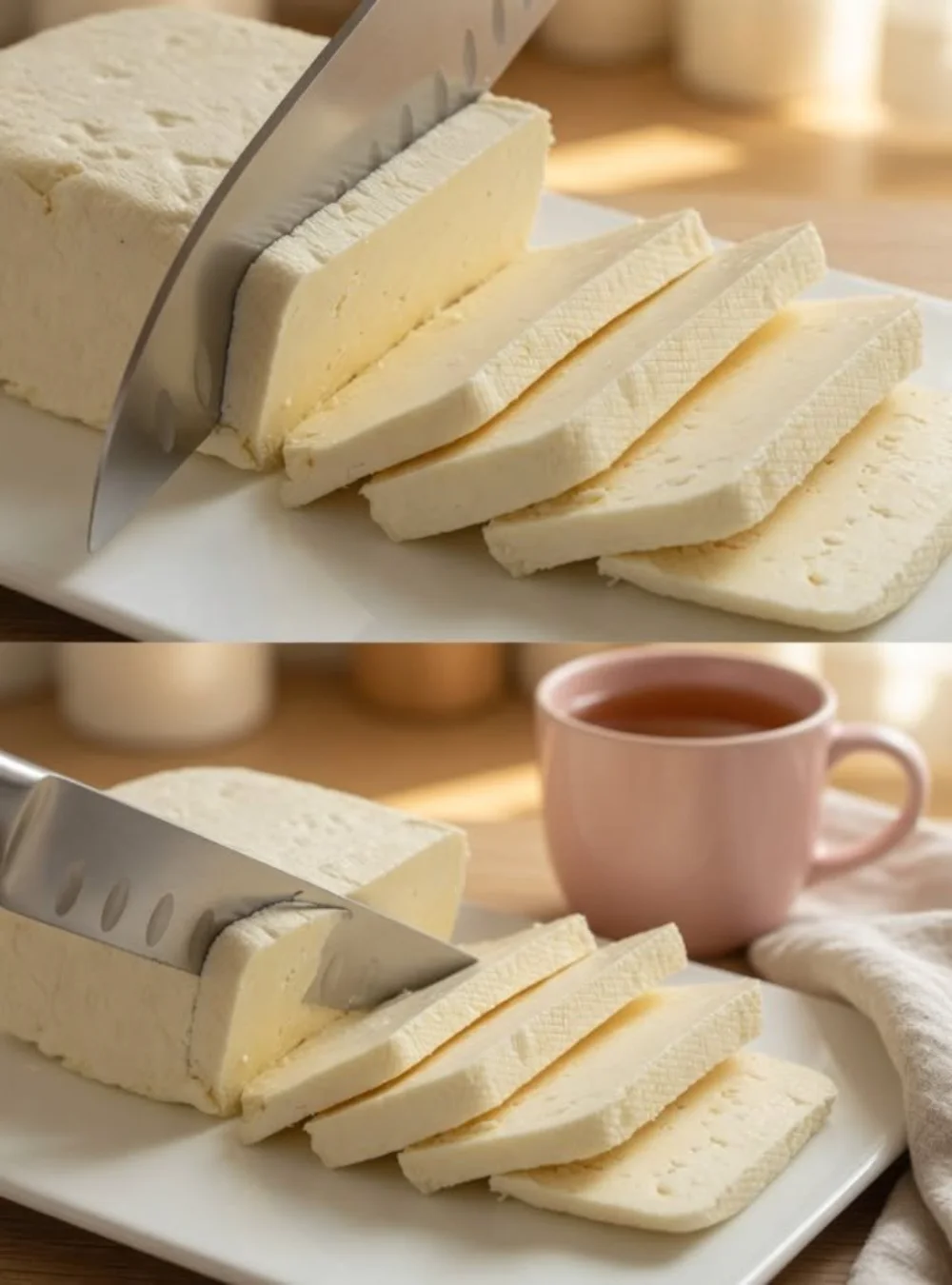
Growing up, cheese was always a delightful staple in our household. Whether it was sprinkled over a hearty casserole or enjoyed straight from the fridge, it had a special way of bringing everyone together. One of my family’s favorites is this simple homemade cheese recipe, which has been passed down from my great-grandmother. It’s a quick and easy recipe, ready in just 5 minutes, that delivers rich, creamy flavor. It’s not only perfect for slathering on bread or crackers but also an excellent base for various dishes. Plus, knowing all the ingredients that go into it makes it even more satisfying to enjoy.
Why You’ll Love This Recipe
- Quick prep time—ready in just 5 minutes!
- Simple ingredients you probably already have in your kitchen.
- Versatile—can be used in multiple dishes or enjoyed alone.
- Homemade goodness that tastes better than store-bought.
- A nostalgic recipe with a family tradition behind it.
Ingredients
- 1 cup (240 ml) milk
- 1 tablespoon (15 ml) lemon juice or vinegar
- 1/4 teaspoon (1 g) salt
- 2 tablespoons (30 g) unsalted butter
- Optional: herbs or spices for flavoring
Ingredient Notes
Using whole milk yields the creamiest results, but you can substitute low-fat milk if needed. The acid, either lemon juice or vinegar, helps curdle the milk, so it’s essential for creating the texture.
Kitchen Tools Needed
- Small saucepan
- Wooden spoon or spatula
- Strainer or cheesecloth
- Mixing bowl
Step-by-Step Instructions
- In a small saucepan, heat the milk over medium heat until it starts to steam but does not boil—this should take about 3-4 minutes.
- Once heated, remove it from the heat and stir in the lemon juice or vinegar. Let it sit for about 5 minutes; you’ll see the milk curdle.
- Line a strainer with cheesecloth or a clean kitchen towel and place it over a mixing bowl.
- Carefully pour the curdled milk into the strainer. Let it drain for about 2-3 minutes to achieve your desired consistency.
- Transfer the cheese into a bowl, add the salt and butter, and mix well until creamy. If you like, incorporate your choice of herbs or spices for added flavor.
- Serve immediately or refrigerate for later use.
Pro Tips
- Always stir gently when mixing the curdled milk; vigorous stirring could break the curds apart too much.
- If you prefer a firmer texture, let it drain for a longer period.
- For a touch of flavor, consider adding diced herbs or a pinch of garlic powder to the mixture.
Common Mistakes
- Forgetting to remove the saucepan from heat before adding the acid can lead to overcooking.
- Not allowing enough time for the milk to curdle will affect the texture.
- Using a too fine strainer can make the draining process slower.
Variations
- Try adding finely chopped chives or dill for a fresh herb flavor.
- Incorporate spices like smoked paprika or cayenne for a spicy kick.
- Mix in sun-dried tomatoes or olives for a Mediterranean twist.
Serving Suggestions
This homemade cheese is perfect for spreading on crusty bread, dolloping on a salad, or pairing with fresh vegetables and crackers. You can also melt it over pasta or in casseroles for added creaminess.
Storage Instructions
Store any leftovers in an airtight container in the refrigerator for up to one week.
Reheating Tips
Since this cheese can be used in a variety of applications, it’s best enjoyed fresh. However, if you do store it for later use, give it a good stir before using it again.
Nutrition Estimate
Calories: Approximately 120 per serving
Protein: 6 g
Carbs: 3 g
Fat: 9 g
Recipe Summary
- Prep Time: 5 minutes
- Cook Time: 5 minutes
- Total Time: 10 minutes
- Servings: 2-4
- Cuisine: Family Recipe
- Course: Appetizer/Dip
- Calories: 120
Frequently Asked Questions
Can I use low-fat milk?
Yes, low-fat milk can be substituted, but keep in mind that the creaminess will be less.
How do I know when the milk is ready?
Look for small bubbles on the edge of the pan and steam rising before it reaches a boil.
Can I freeze the cheese?
While it’s best fresh, you can freeze it for up to a month. Thaw and stir before use.
What can I substitute for lemon juice?
Vinegar works well as an alternative to lemon juice.
Can I use this cheese in cooking?
Absolutely! It melts well and can be added to various recipes like pasta or pizza.
This easy homemade cheese is not only nostalgic but a joy to create and share in your own kitchen. You will appreciate how a simple mix of ingredients can produce such rich flavor and comfort. Enjoy making it as part of your family traditions!