Cottage Cheese Dill Flatbread
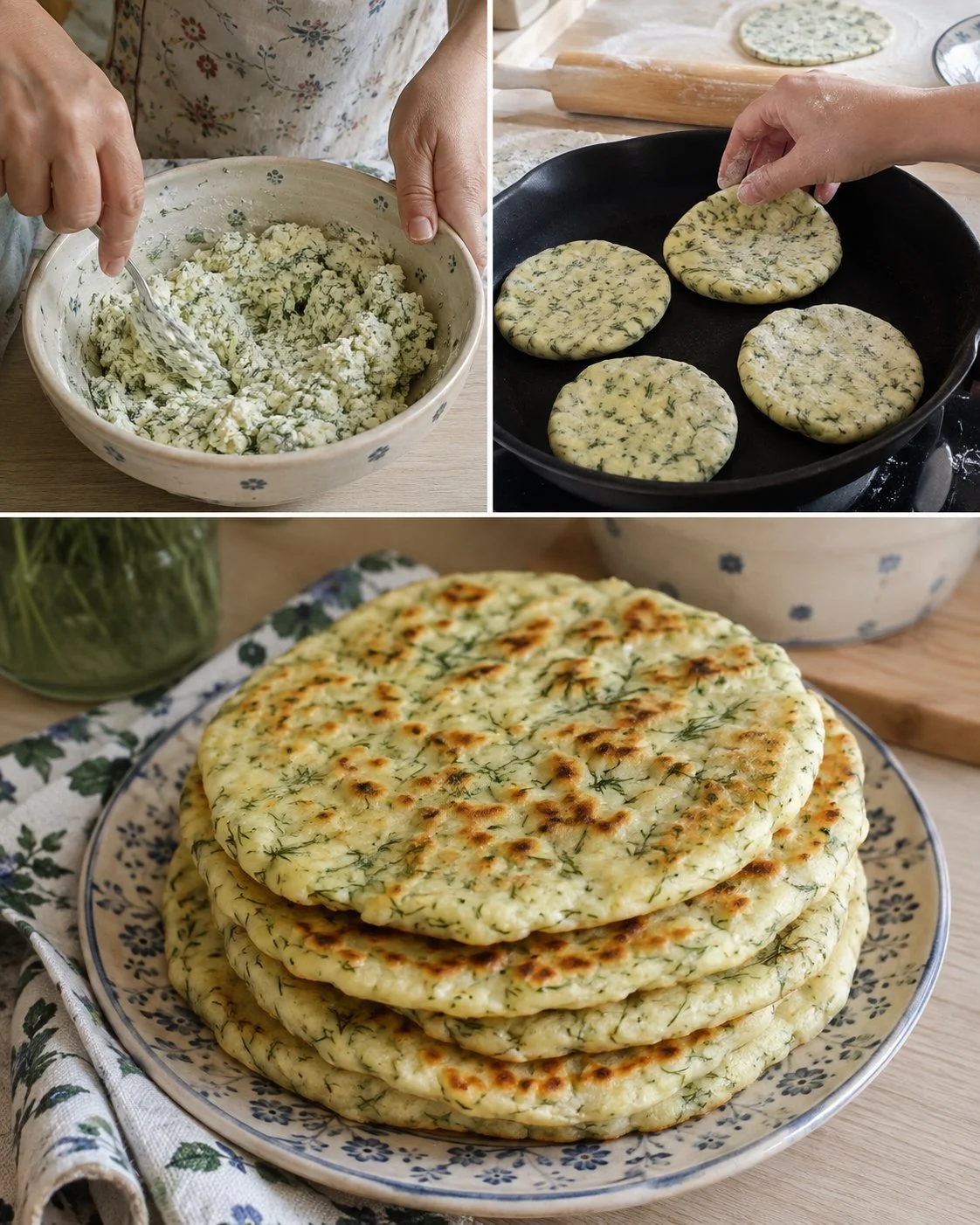
There’s something wonderfully simple about flatbreads that makes them a staple in many kitchens. This cottage cheese dill flatbread combines creamy cottage cheese and tangy yogurt with fresh dill, creating a light, tender bread that’s easy to make and deliciously versatile. It’s perfect when you want a quick homemade bread without the fuss of yeast or long rising times. The baking powder gives the dough just enough lift for a soft, yet slightly fluffy texture, while the dill adds a subtle herbaceous note that brightens each bite.
This flatbread works great as a snack, a side with soups or salads, or a base for toppings like smoked salmon or avocado spread. One small but handy tip: don’t roll the dough too thin, as that can make the flatbread tough rather than tender. Slightly thick discs cooked on a medium-heat skillet get beautifully golden with a nice crust but stay soft inside. It’s a recipe that’s forgiving and quick—ideal for busy weeknights or last-minute guests.
Why You’ll Love This Recipe
- Uses cottage cheese and yogurt for natural moisture and tenderness without excess oil or butter
- No yeast or long rise times – ready in under 30 minutes
- Baking powder gives a light, soft texture that’s easy to chew and digest
- Fresh dill adds a subtle herb flavor that pairs well with a variety of meals
- Skillet cooking means no oven needed and easy cleanup
- Dough is soft and forgiving, perfect for home cooks of all skill levels
Ingredients
- 1 cup (225 g) cottage cheese
- 1/2 cup (120 ml) plain yogurt
- 2 cups (250 g) all-purpose flour, plus extra for dusting
- 2 teaspoons baking powder
- 2 tablespoons fresh dill, finely chopped
- 1/2 teaspoon salt
- 2 tablespoons (30 ml) oil, plus more for cooking (vegetable or olive oil)
Ingredient Notes
Cottage cheese brings moisture and a mild tang, enhancing the flatbread’s tender crumb. If you prefer a smoother dough, you can lightly blend the cottage cheese with yogurt before mixing. Plain yogurt adds acidity and softness but don’t substitute it with flavored varieties or Greek yogurt as it changes the moisture balance. Fresh dill is best here—dried can work if necessary, but fresh provides a fresher, brighter flavor. Baking powder is key to getting a good rise without yeast, so be sure it’s fresh. The oil keeps the dough pliable and helps the bread brown nicely on the skillet.
Kitchen Tools Needed
- Mixing bowl
- Whisk or fork
- Measuring cups and spoons
- Rolling pin (or a clean bottle for rolling)
- Skillet or nonstick frying pan
- Spatula
Step-by-Step Instructions
- In a large mixing bowl, combine the cottage cheese, plain yogurt, chopped dill, salt, and 2 tablespoons of oil. Stir until mostly smooth and evenly mixed.
- In a separate bowl, whisk together the flour and baking powder to evenly distribute the leavening agent.
- Gradually add the dry ingredients to the wet mixture, stirring with a spoon or your hands until a soft dough forms. It should be slightly sticky but hold together easily. If the dough feels too wet, add a small sprinkle of flour.
- Lightly flour a clean surface. Turn out the dough and knead gently just enough to bring it fully together—about 1-2 minutes. Avoid over-kneading to keep the flatbread tender.
- Divide the dough into 6 to 8 equal pieces, depending on how large you want your flatbreads. Roll each piece into a ball.
- Using a rolling pin, roll each ball into a flat circle about 1/4 inch (6 mm) thick. Don’t roll too thin, or the bread will be dry and tough. Dust with extra flour as needed to prevent sticking.
- Heat a skillet over medium heat and add a small amount of oil to coat the surface. Place one flatbread in the skillet. Cook for about 2-3 minutes on one side until golden brown and bubbling. Flip and cook the other side another 2 minutes until golden and cooked through.
- Remove and keep warm in a clean towel or on a plate covered with foil. Repeat with remaining dough, adding more oil as needed to prevent sticking.
Pro Tips
- Use fresh dill for the best flavor; if using dried, halve the amount to avoid overpowering the bread.
- Don’t skip the baking powder—without it, the flatbread will be dense and chewy.
- If the dough feels sticky while rolling, dust your hands and rolling pin lightly rather than adding too much flour to avoid dryness.
- Cook the flatbread over medium heat to get a golden crust without burning or undercooking inside. Adjust heat as needed.
- Store leftover flatbreads wrapped tightly to preserve moisture and reheat gently to avoid drying out.
Common Mistakes
- Rolling the dough too thin, which makes the flatbreads tough instead of soft.
- Cooking over too high heat, causing the bread to brown too fast outside but remain doughy inside.
- Overmixing or overkneading the dough, leading to a tougher texture.
- Using flavored or Greek yogurt, which alters moisture and taste balance.
- Skipping the oil in the dough, which reduces tenderness and makes the bread dry.
Variations
- Swap dill for chopped chives, parsley, or mint for a different herb twist.
- Add 1/4 cup (30 g) grated cheese like Parmesan or cheddar for a cheesy flatbread.
- Mix in a pinch of garlic powder or onion powder for extra savory depth.
- For a bit of spice, fold in a small amount of finely chopped chili or black pepper.
Serving Suggestions
Serve these flatbreads warm—fresh off the skillet—for best texture and flavor. They’re fantastic alongside soups, stews, or salads, or used as a base for spreads like hummus, tzatziki, or cream cheese. You can fold them with smoked salmon and avocado slices for a quick lunch wrap, or tear pieces to dip in olive oil and balsamic vinegar. Their mild flavor and tender texture make them very versatile.
Storage Instructions
Let flatbreads cool completely, then wrap tightly in plastic wrap or store in an airtight container. They keep well at room temperature for 1-2 days or in the refrigerator for up to 4 days. For longer storage, freeze wrapped flatbreads with parchment paper between them to prevent sticking.
Reheating Tips
Reheat flatbreads gently in a warm skillet over low heat for 1-2 minutes per side to revive their fresh-baked texture. Avoid the microwave if possible, as it can make them rubbery or dry. You can also warm them briefly in a toaster oven wrapped in foil.
Nutrition Estimate (per flatbread, makes 6)
- Calories: 150 kcal
- Protein: 7 g
- Carbohydrates: 20 g
- Fat: 4 g
Recipe Summary
Prep Time: 10 minutes
Cook Time: 15 minutes
Total Time: 25 minutes
Servings: 6 flatbreads
Cuisine: Simple homemade
Course: Bread/Snack
Calories: 150 per serving
Frequently Asked Questions
Can I use Greek yogurt instead of plain yogurt?
Greek yogurt is much thicker and can dry out the dough. If using it, thin it slightly with a splash of milk or water.
Can I make this dough ahead of time?
Yes, you can prepare the dough and refrigerate it wrapped for up to 24 hours. Bring it to room temperature before rolling and cooking.
What type of flour is best for this flatbread?
All-purpose flour works best for a tender texture. Whole wheat flour can be used, but the bread will be denser.
Can I use dried dill instead of fresh?
Yes, but reduce the amount to about 1 tablespoon (15 ml) because dried dill is more concentrated.
How do I know when the flatbread is cooked?
It should be golden brown and slightly puffed with no raw dough visible. The bread will feel soft but firm to the touch.
These flatbreads bring together simple ingredients into a versatile, fresh-tasting bread you can whip up quickly. Their light texture and herby flavor make them a favorite for everyday meals that want a little extra comfort without fuss. Enjoy them warm and fresh for the best experience.