I Don’t Buy Chemical Bouillon Cubes Anymore — Fresh Homemade Bouillon Lasts All Year, No Cooking!
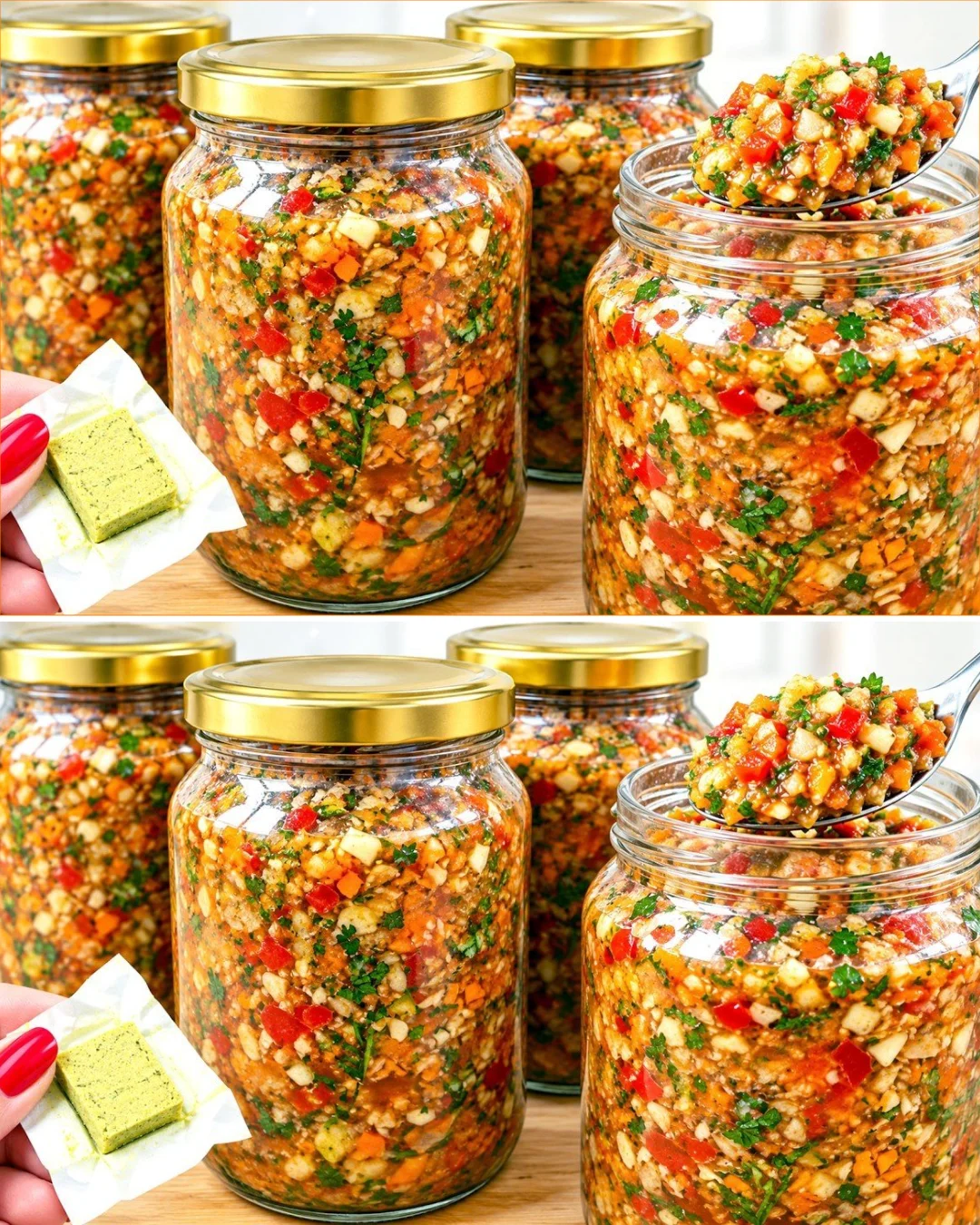
Making your own homemade vegetable bouillon is not only straightforward but also a wonderful way to skip over the heavily processed options found in stores. This recipe takes a selection of fresh vegetables and blends them into a flavorful base that can be preserved for up to a year. It’s perfect for adding depth to soups, stews, sauces, and more. Plus, it’s a healthy option that allows you to control the ingredients—no chemicals or excessive sodium here!
Why This Recipe Is Helpful
- This bouillon can enhance the flavor of many dishes without artificial additives.
- It’s easy to prepare and can be made in large batches for long-term storage.
- The use of fresh vegetables ensures a nutrient-rich product.
Best For
Home cooks looking for a flavorful, natural seasoning option will enjoy this bouillon in their recipes.
Be Careful If
Be cautious with salt levels if you are watching your sodium intake, as this recipe contains a significant amount.
Ingredients
- 400g (about 4 medium) carrots, chopped
- 100g (about 1 medium) onion, chopped
- 150g (about 1 medium) parsnips, chopped
- 100g (about 1 medium) leeks, chopped
- 300g (about 2 medium) red bell peppers, chopped
- 250g (about 2 medium) tomatoes, chopped
- 200g (about 1 medium) celery root, chopped
- 50g (about 5 cloves) garlic, peeled and chopped
- 50g (about 1 cup) celery leaves, chopped
- 50g (about 1 cup) fresh parsley, chopped
- 400g salt
- 1/2 tsp turmeric
- 1/2 tsp pepper
- Jars for preserving
- Lids for jars
Ingredient Notes
- Use fresh, seasonal vegetables for the best flavor.
- Adjust the type of vegetables based on personal preference or availability.
- The salt acts as a preservative; without it, the bouillon won’t last as long.
Kitchen Tools Needed
- Large pot
- Chopping knife and cutting board
- Measuring spoons
- Oven or sterilizing setup for jars
Step-by-Step Instructions
- Wash and clean all the vegetables thoroughly to remove any dirt.
- Chop the carrots, onion, parsnips, leeks, red bell peppers, tomatoes, celery root, and garlic into smaller pieces.
- Chop the celery leaves and parsley finely.
- Combine all the chopped vegetables in a large pot—avoid over-chopping to maintain a nice texture.
- Add salt, turmeric, and pepper to the pot, stirring well to combine everything.
- Cover the pot and allow it to rest for 30 minutes; this will help the salt draw moisture from the vegetables.
- Preheat your oven to 100 degrees Celsius (212 degrees Fahrenheit) and sterilize the jars by placing them in for 30 minutes.
- Simultaneously, sterilize the jar lids by boiling them in water for 10 minutes.
- After 30 minutes, fill the sterilized jars with the vegetable bouillon mixture, ensuring to press out any air bubbles.
- Seal the jars tightly with the sterilized lids.
- Store the jars in a dark, cool place like a basement, where they can last for up to a year.
- When ready to use, add a small spoonful to soups, stews, sauces, rice, or meat dishes during cooking, adjusting salt as necessary.
Pro Tips
- Ensure jars are completely dry before filling to prevent spoilage.
- If you find the bouillon too salty for your taste, start with half the amount and adjust slowly.
- Use a food processor for quicker chopping, but be careful not to over-process.
Lighter Swaps
While the original recipe’s flavor base works best as is, you might consider using a lower-sodium salt if you’re managing your sodium intake.
Common Mistakes
- Not allowing the vegetables to sit long enough for the salt to extract moisture.
- Filling jars too full, which may lead to spoilage.
- Forgetting to sterilize lids and jars properly.
Serving Suggestions
This homemade bouillon can greatly enhance a variety of dishes, giving them a rich depth of flavor without the chemicals.
Storage Instructions
Ensure the jars are stored in a cool, dark place for optimal shelf life.
Reheating Tips
This bouillon is used directly in recipes and does not require reheating on its own.
Nutrition Estimate
Calories: 20 (per tablespoon)
Protein: 0g
Carbs: 4g
Fat: 0g
Values are estimates and may vary by ingredients and portion size.
Recipe Summary
Prep Time: 1 hour
Cook Time: None
Total Time: 1 hour
Servings: 20 (1 tablespoon servings)
Cuisine: Various
Course: Condiment
Calories: 20 per tablespoon
Frequently Asked Questions
Can I use frozen vegetables instead of fresh?
Yes, but fresh vegetables provide better flavor and nutrition.
How long can homemade bouillon be stored?
It can be stored for up to a year in a cool, dark place.
What dishes can I use this bouillon in?
It’s great for soups, stews, sauces, rice, and meat dishes, enhancing their flavors significantly. For more ideas, check out this recipe for creamy homemade ice cream.