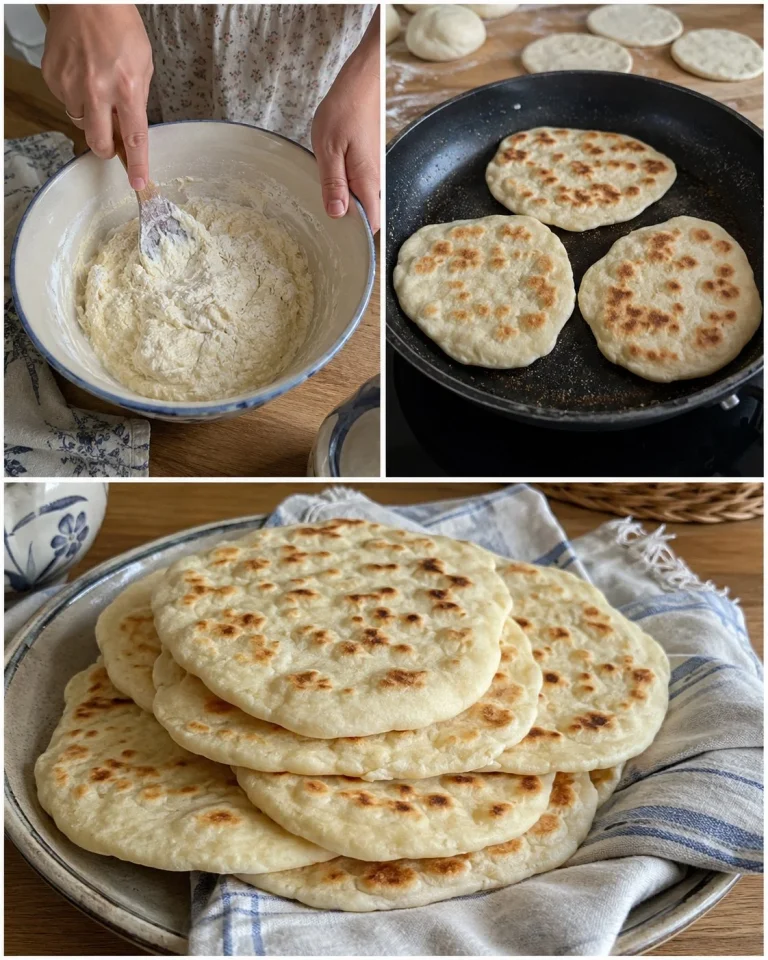
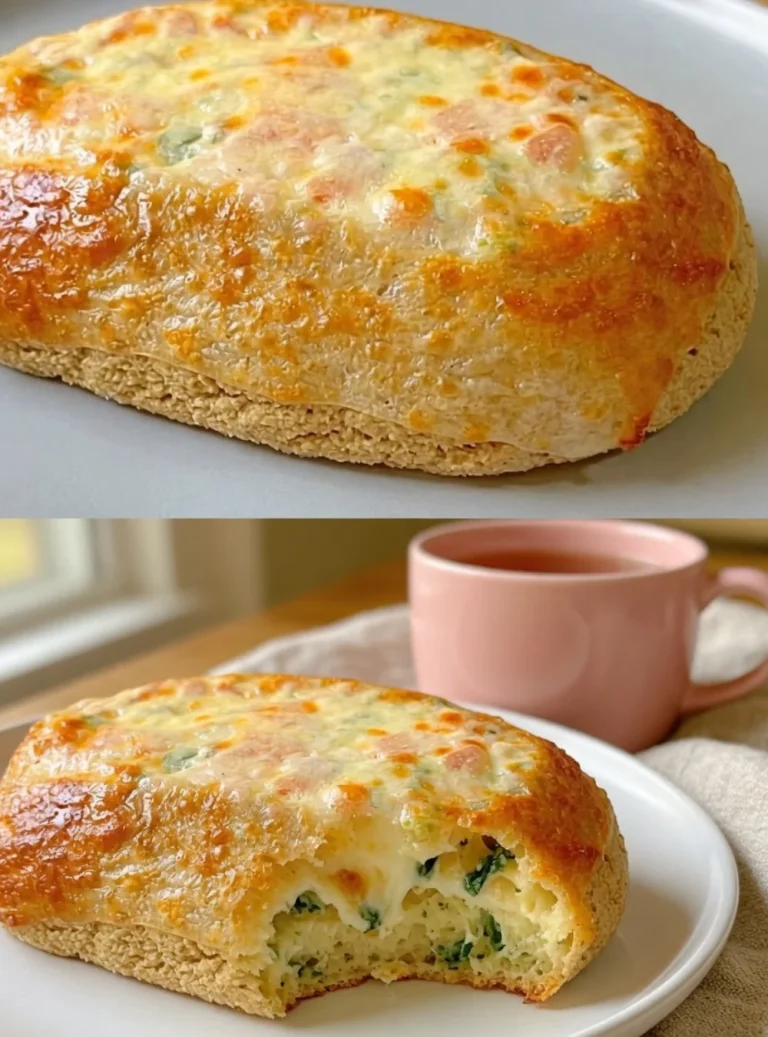
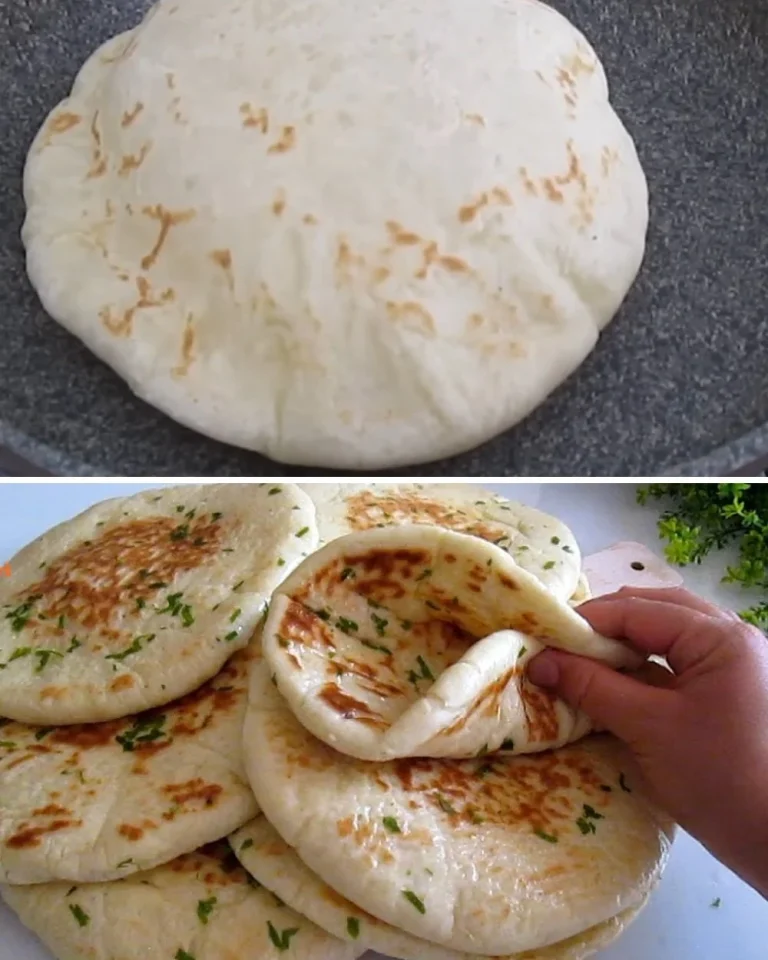
Don’t knead the dough! Turkish bread is the easiest, most delicious bread you’ve ever made.
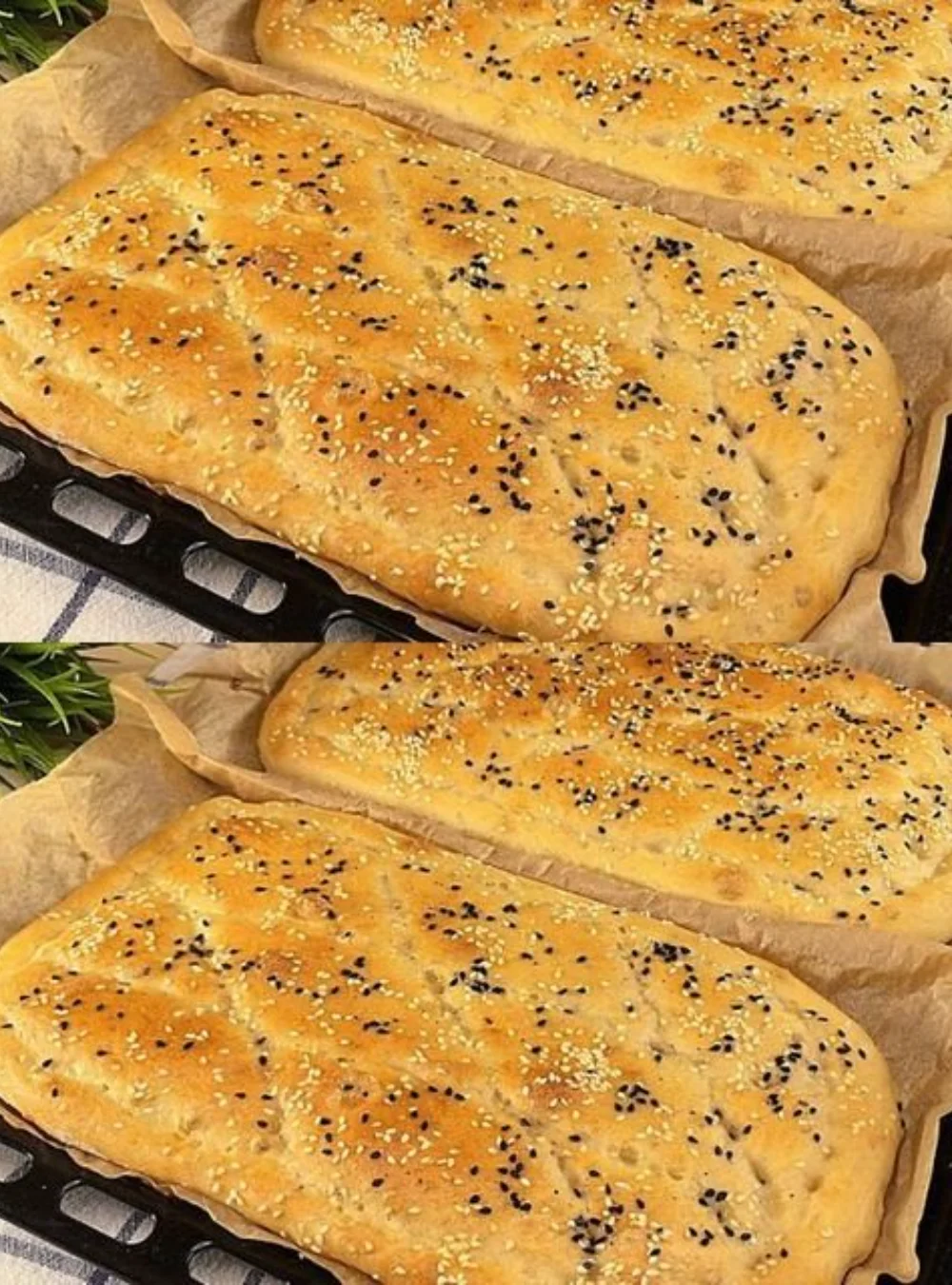
There’s something magical about freshly baked bread, and Turkish bread is no exception. This no-knead recipe yields a beautifully soft and flavorful loaf, making it the perfect addition to any meal or gathering. With a crispy crust and a tender, airy interior, this bread is incredibly simple to prepare—ideal for both novice bakers and seasoned pros looking to save time. The method requires minimal hands-on work, and the result is a loaf that’s bursting with flavor and inviting aromas. Whether you’re enjoying it warm with a pat of butter or using it to soak up hearty stews, this Turkish bread will quickly become a favorite in your kitchen.
Why You’ll Love This Recipe
- No kneading required, making it beginner-friendly.
- Perfect for any occasion—from family dinners to casual gatherings.
- Soft and fluffy interior paired with a delightful crust.
- Versatile enough to pair with various dishes or act as a standalone snack.
- Uses simple ingredients that are likely already in your pantry.
Ingredients
- 4 cups (480 g) all-purpose flour
- 1 teaspoon (5 g) salt
- 1 teaspoon (4 g) sugar
- 2 tablespoons (30 ml) olive oil
- 1 packet (2 ¼ teaspoons or 7 g) active dry yeast
- 1 ½ cups (360 ml) warm water (about 110°F or 43°C)
Ingredient Notes
- Flour: All-purpose flour is preferred, but bread flour can also enhance texture.
- Yeast: Make sure your yeast is fresh for best results; instant yeast can be used as a substitute.
- Olive oil: This adds richness and flavor, but you can use any neutral oil if preferred.
Kitchen Tools Needed
- Mixing bowl
- Wooden spoon or spatula
- Kitchen towel
- Baking sheet
- Parchment paper (optional)
- Oven
Step-by-Step Instructions
- In a mixing bowl, combine flour, salt, and sugar. Stir to mix well.
- In a separate small bowl, dissolve yeast in warm water and let it sit for about 5 minutes until frothy.
- Pour the yeast mixture and olive oil into the dry ingredients. Mix using a wooden spoon or spatula until a ragged dough forms.
- Cover the bowl with a kitchen towel and let it rise in a warm place for 1 to 2 hours, or until the dough has doubled in size.
- Preheat your oven to 450°F (230°C). Place a baking sheet in the oven to heat.
- Dust your work surface with flour and gently remove the dough. Shape it into a ball, being careful not to deflate it too much.
- Transfer the dough to a sheet of parchment paper if using, or directly onto the hot baking sheet. Optionally, score the top with a sharp knife for decorative flair.
- Bake for 25 to 30 minutes until the bread is golden brown and sounds hollow when tapped on the bottom.
- Allow to cool on a wire rack before slicing.
Cooking Tips
- Make sure your water is warm, not hot, to activate the yeast without killing it.
- For added flavor, consider mixing in spices or herbs like garlic powder or rosemary.
- Letting the dough rise longer can improve flavor; try up to 3 hours if time allows.
- Keep a close eye on the bread the last few minutes of baking to avoid burning.
Variations
- Herb-Infused Bread: Add chopped fresh herbs like rosemary or thyme to the dough before rising.
- Garlic Bread: Mix minced garlic into the dough or brush the baked loaf with garlic-infused olive oil.
- Cheese & Olive Bread: Fold in crumbled feta or olives for a Mediterranean twist.
- Whole Wheat Version: Substitute half the all-purpose flour with whole wheat flour for a nuttier flavor and added nutrition.
Serving Suggestions
Serve this Turkish bread warm with dishes like hummus, stews, or as part of a mezze platter. Toast slices and top them with spreads or use them to create sandwiches filled with your favorite ingredients.
Storage Instructions
If there are any leftovers, store the bread in an airtight container or resealable bag at room temperature for up to 3 days. For longer shelf life, wrap it tightly in plastic wrap and freeze for up to 3 months.
Reheating Tips
To reheat, wrap the bread in aluminum foil and warm it in a preheated oven at 350°F (175°C) for about 10 minutes, or until heated through. For a crispy crust, unwrap the foil during the last 2 minutes of warming.
Nutrition Estimate
Approximately 180 calories per serving, with 6 g protein, 35 g carbohydrates, and 2 g fat.
Recipe Summary Card
Prep Time: 15 minutes
Cook Time: 30 minutes
Total Time: 2 hours 45 minutes
Servings: 12
Cuisine: Turkish
Course: Bread
Calories: 180
Frequently Asked Questions
Can I make this bread without gluten?
Yes! Use a gluten-free all-purpose flour blend and adjust the liquid as needed to achieve the right dough consistency.
What can I do with leftover bread?
Toast slices for breakfast, use it for croutons, or make breadcrumbs for cooking.
Is it necessary to preheat the baking sheet?
Preheating helps the bread develop a better crust, making it worth the extra step.
Can I add seeds to the dough?
Absolutely! Flaxseeds, sesame seeds, or sunflower seeds can add flavor and nutrition.
What should I do if my dough doesn’t rise?
Check the freshness of your yeast, and make sure your water is warm but not hot; too much heat can kill the yeast, preventing rise.
Conclusion
This delightful Turkish bread recipe proves that baking doesn’t have to be complex to yield incredible results. Its simplicity allows the bread’s flavors to shine, making it a versatile addition to your meals. With minimal ingredients and effort, you can impress family and friends while enjoying the satisfaction of homemade bread. Happy baking!