Soft Yogurt Pan Buns
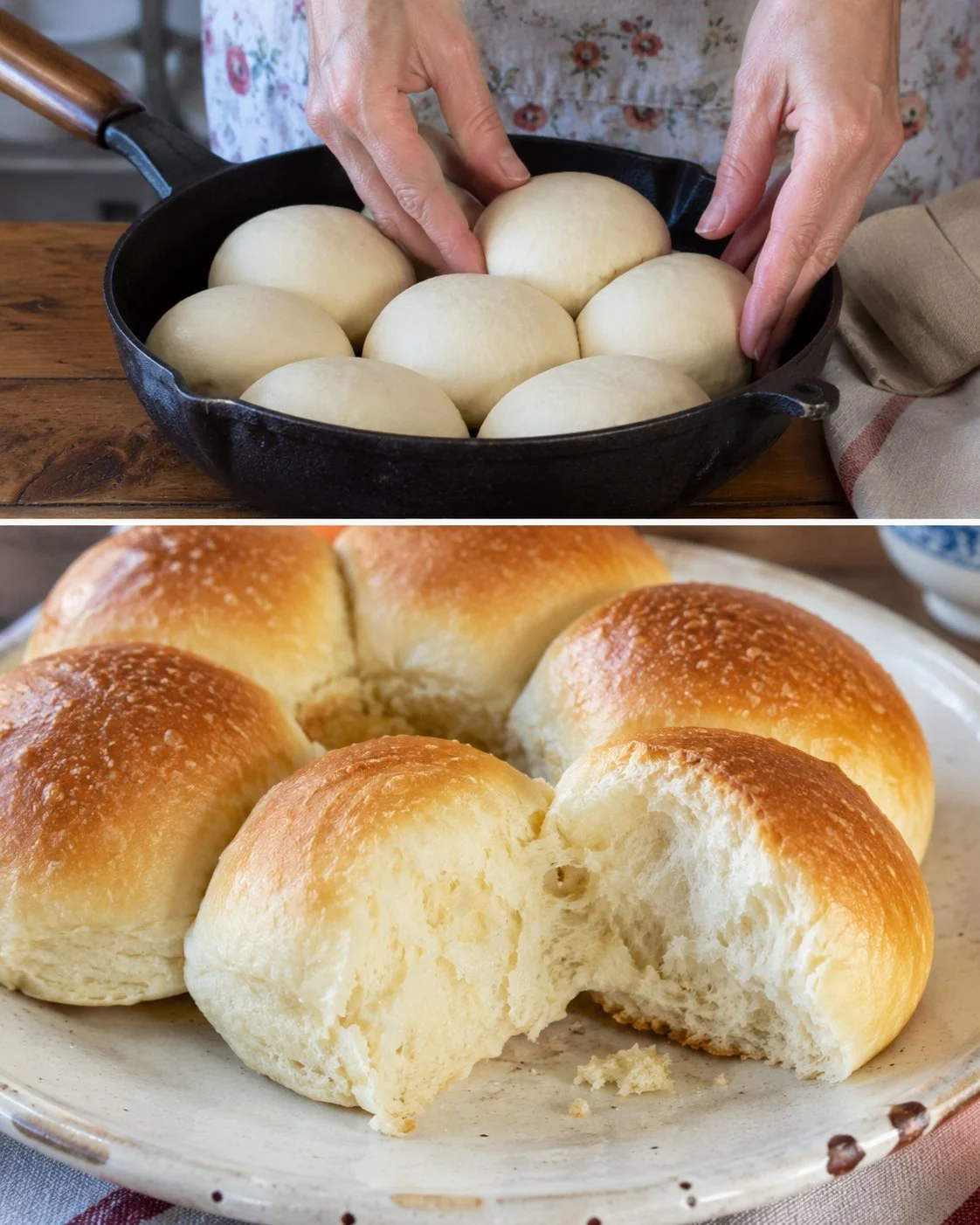
Soft yogurt pan buns are a simple, versatile bread option that comes together quickly with just a handful of basic ingredients. They offer a soft texture thanks to yogurt, which also adds a subtle tang and tenderness not found in standard bread. This recipe is useful for those looking for an easy homemade bread alternative without yeast or long rising times. The use of baking powder makes it a quick bread you can whip up for breakfast or a snack. Because it includes refined flour and yogurt, it may feel lighter than typical fried or enriched buns but still delivers comfort and a satisfying chew. Do keep in mind that people managing blood sugar levels may want to enjoy these buns in moderation due to the flour and sugar content.
This recipe suits anyone wanting fast homemade buns with a soft crumb and a golden, skillet-cooked crust. It’s great for busy families who need simple bread for sandwiches or sides on the fly. The quick resting time means you’re not waiting around. The dough should be soft but manageable, and cooking gently over low heat ensures they brown without burning while cooking through evenly. For a slightly richer taste or sturdier buns, a practical insight is to experiment with a little Greek yogurt or whole grain flour, but be prepared for changes in texture.
Why This Recipe Is Helpful
- Uses simple pantry staples: yogurt, flour, baking powder, oil, sugar, and salt.
- Quick preparation and cooking without yeast, allowing for same-day baking.
- Soft and tender texture with a lightly browned crust from skillet cooking.
- Balanced as a quick bread with some protein and moisture from yogurt.
- Suitable for family meals, snacks, or casual breakfast breads without fancy equipment.
- Budget-friendly and adaptable with potential ingredient swaps.
Who This Recipe Is Best For
This recipe will appeal to home cooks who want a fuss-free bread to serve alongside meals or enjoy as a snack without yeast or complex techniques. It’s ideal for busy people who want homemade bread that’s ready in a short time. Also perfect for those who prefer a soft, tender bread texture and appreciate the subtle tang yogurt adds. Those who sometimes find baking intimidating will appreciate how easy and forgiving this dough is to handle, making it suitable for beginners or anyone looking for a straightforward bread option.
Who Should Be Careful
While generally a light bread, these buns do contain refined flour and sugar, so people watching their carbohydrate intake or managing blood sugar should have them occasionally, not as a staple. The skillet cooking uses some oil, so those avoiding fried or oily foods may want to bake them instead or brush them lightly with oil to reduce fat. People with dairy intolerance should note that yogurt is a key ingredient and will influence both flavor and texture; a dairy-free yogurt alternative could be tested but may affect the rise and softness.
Ingredients
- 1 cup (240 ml) plain yogurt
- 2 cups (250 g) all-purpose flour
- 2 teaspoons (8 g) baking powder
- 2 tablespoons (30 ml) vegetable oil, plus extra for cooking
- 1 teaspoon (4 g) granulated sugar
- Pinch of salt
Ingredient Notes
Plain yogurt keeps the dough moist and tender, and using full-fat or Greek yogurt will yield slightly different results—the latter being thicker and tangier. Baking powder acts as a leavening agent, so no yeast or rising time beyond a quick rest is needed. The sugar is minimal, just enough to balance flavors without making it sweet. Vegetable oil adds moisture and helps with cooking so the buns get a lightly crisp golden surface in the skillet. You can swap all-purpose flour for whole wheat for added fiber, though the texture will be denser.
Kitchen Tools Needed
- Mixing bowl
- Measuring cups and spoons
- Spoon or spatula for mixing
- Clean surface or board for shaping dough
- Large skillet or non-stick frying pan with lid
- Cooking brush or paper towel for oiling skillet
Step-by-Step Instructions
- In a mixing bowl, combine 2 cups (250 g) flour, 2 teaspoons (8 g) baking powder, 1 teaspoon (4 g) sugar, and a pinch of salt. Stir these dry ingredients together to distribute the powder evenly.
- Add 1 cup (240 ml) plain yogurt and 2 tablespoons (30 ml) vegetable oil to the dry mix. Stir gently with a spoon or spatula until a soft, somewhat sticky dough forms. Avoid overmixing to keep buns tender.
- Let the dough rest for 10 minutes at room temperature. This brief rest hydrates the flour and allows the baking powder to activate.
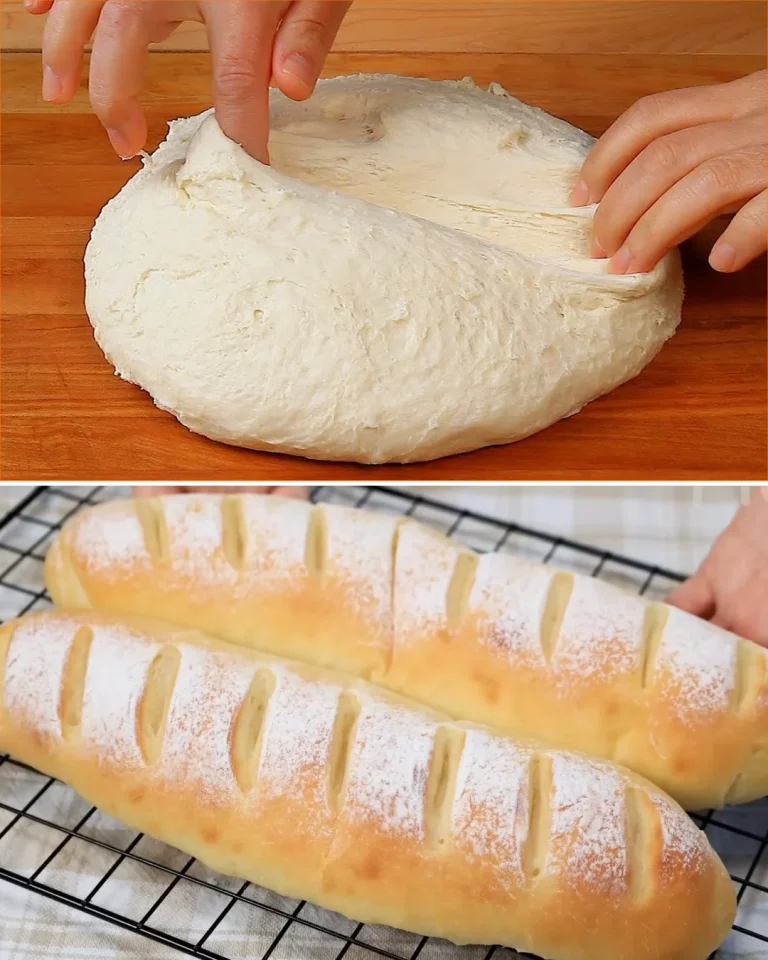
- Lightly flour your work surface and divide the dough into small portions. Shape each portion into smooth, round buns roughly the size of a golf ball or slightly larger.
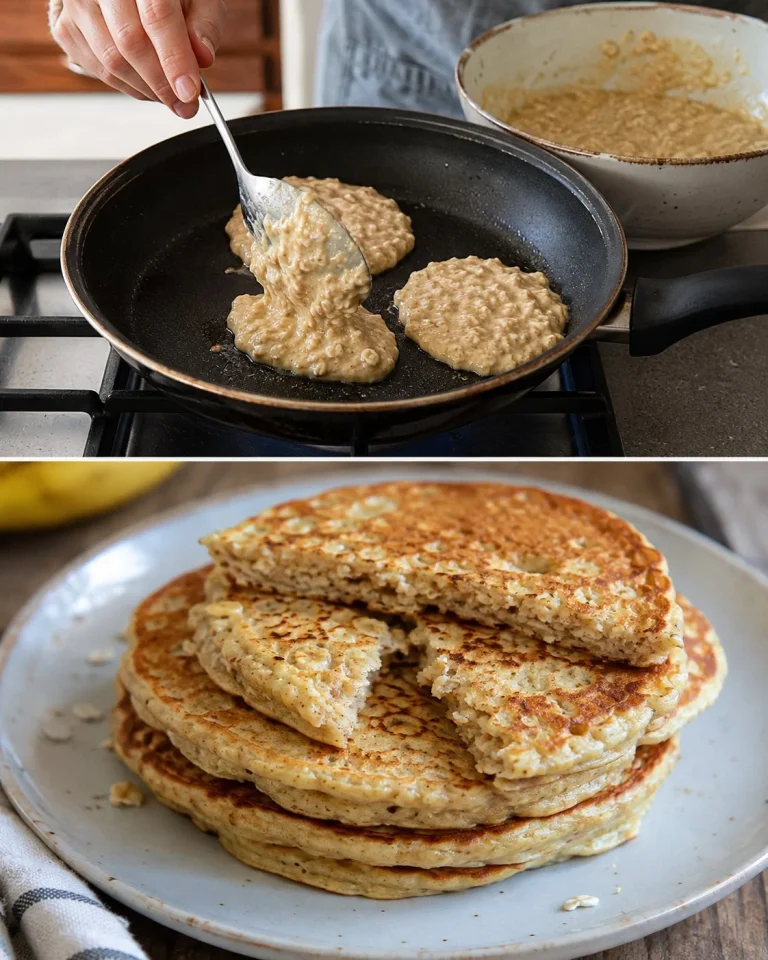
- Heat a lightly oiled skillet over low heat. Place the shaped buns carefully in the skillet, leaving space between them. Cover the skillet with a lid to trap steam, helping the buns cook through.
- Cook the buns for about 7-8 minutes on the first side, then gently flip them over with a spatula. Cover again and cook for another 5-6 minutes until both sides are golden brown and a skewer inserted comes out clean.
- Remove buns from the skillet and cool slightly before serving for the best texture.
Pro Tips
- Use low heat to prevent buns from browning too fast while staying raw inside. Patience is key.
- If dough is too sticky, add a teaspoon of flour at a time—don’t overdo it or buns will get tough.
- To check doneness, gently press the buns; they should bounce back slightly. A toothpick test inside works well too.
- For a subtle boost of flavor, try adding herbs or a pinch of garlic powder to the dough.
- Lightly oiling the surface of each bun before cooking can help brown and add shine.
Healthier or Lighter Swaps
- Replace half or all-purpose flour with whole wheat for more fiber and a nuttier flavor—expect denser buns.
- Use Greek yogurt for higher protein content and less moisture, adjusting flour if needed.
- Reduce sugar to half a teaspoon or omit if preferred, as the recipe isn’t sweet-focused.
- Instead of pan-frying in oil, try baking the buns at 375°F (190°C) for 15-18 minutes on parchment paper for a lighter version.
Common Mistakes
- Cooking on too high heat can burn the buns outside while remaining doughy inside.
- Overmixing the dough makes buns tough; stir just until combined.
- Skipping the resting period reduces fluffiness and makes the dough harder to shape.
- Making buns too big results in undercooked centers—keep sizes consistent and moderate.
- Not covering the skillet traps less steam, causing buns to cook unevenly or stay dense.
Variations
- Add finely chopped herbs like rosemary or thyme for savory aromatic buns.
- Mix in grated cheese into the dough before shaping for a richer taste.
- Roll in sesame seeds or poppy seeds before cooking for extra texture and flavor.
- Sweeten the dough slightly with cinnamon and raisins for a lightly sweet bun option.
Serving Suggestions
Serve these buns warm, slathered with butter or your favorite jam. They make excellent sandwich bases or complement soups and stews by adding a tender, homey bread component. Pairing them with fresh vegetables or a side salad balances the meal. For a breakfast option, serve alongside eggs or spread with cream cheese.
Storage Instructions
Store leftover buns in an airtight container or resealable bag at room temperature for up to 2 days. For longer storage, freeze them individually wrapped for up to 1 month. Thaw at room temperature or gently reheat.
Reheating Tips
Reheat buns in a dry skillet over low heat for a few minutes on each side to restore their crisp crust and softness inside. Microwaving can be used for convenience but may make them slightly soggy or chewy.
Nutrition Estimate (per bun, makes about 8)
- Calories: ~130
- Protein: 4 g
- Carbohydrates: 20 g
- Fat: 3.5 g
Values are approximate and depend on exact ingredient brands and portion sizes.
Recipe Summary
- Prep Time: 10 minutes
- Cook Time: 15 minutes
- Total Time: 25 minutes
- Servings: 8 buns
- Cuisine: Simple Homemade Bread
- Course: Bread / Side
- Calories: ~130 per bun
Frequently Asked Questions
Is this recipe good for digestion?
The yogurt adds some beneficial probiotics and moisture, which can aid digestion mildly, but the buns are primarily a flour-based bread and should be enjoyed as part of a balanced diet.
Is this recipe suitable for people managing blood sugar?
Because it contains refined flour and sugar, it’s best consumed in moderation by those watching blood sugar levels.
Can I make this recipe lighter?
Yes, baking instead of pan-frying reduces oil use, and using whole wheat flour or Greek yogurt can increase fiber and protein for more sustained fullness.
Is this recipe good for kids?
Yes, the soft texture and mild flavor generally appeal to children, making it an easy homemade bread option.
Can I make this without sugar or yogurt?
Sugar helps with slight browning and taste but can be omitted if desired. Yogurt is important for the texture and rise; replacing it might require experimenting with other dairy or non-dairy substitutes, but results will vary.
Soft yogurt pan buns offer a reliable, comforting bread that’s practical for everyday cooking. Their quick prep and gentle skillet cooking make them accessible, and with a few simple tweaks, you can tailor them to your family’s tastes or dietary needs. For other yogurt-based soft treats, you might also enjoy exploring a Japan-inspired yogurt cake recipe that shares the same tender, light appeal in a sweet dessert form.