Rustic Homemade Bread in 3 Hours
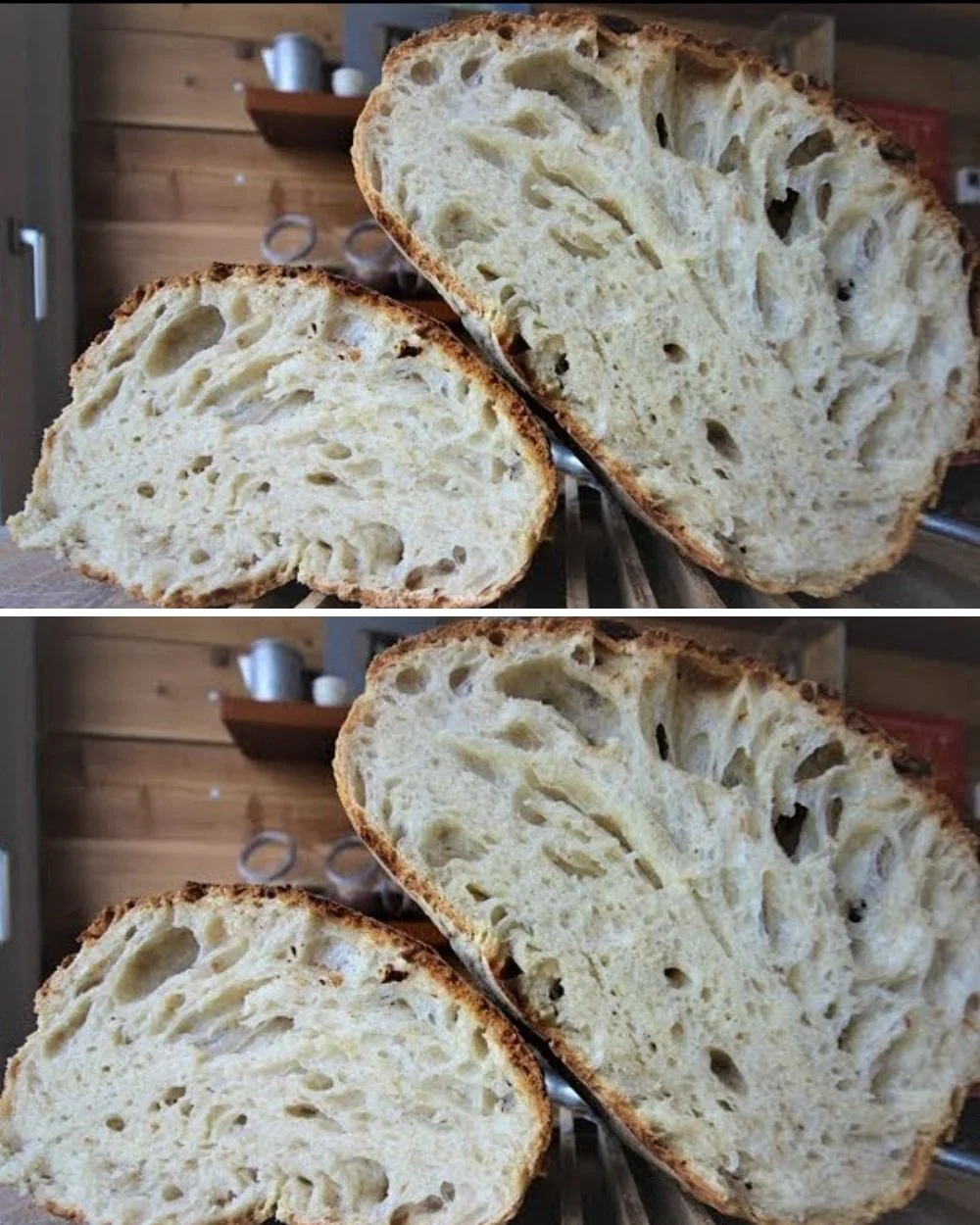
There’s something truly magical about baking your own bread at home. The smell wafting through the house, the satisfaction of working the dough with your hands, and, of course, the incredible taste of fresh, warm bread can’t be beaten. This rustic bread recipe is a simple guide that allows you to create a crusty loaf filled with airy pockets. With just a few key ingredients and a little time, you can enjoy the fruits of your labor without needing any fancy equipment.
You’ll find this recipe isn’t just about making bread; it’s about creating a comforting staple for your home. Whether it’s served alongside soup, used for sandwiches, or just spread with butter, homemade bread elevates any meal. And if you’ve ever had a hard time getting your bread to rise or achieve that perfect crust, don’t worry – I’ve included tips and tweaks that can help secure your success in achieving delicious results.
Why You’ll Love This Recipe
- Perfect for beginners and seasoned bakers alike.
- Requires minimal ingredients that you probably already have on hand.
- The dough is easy to handle and forgiving to minor variations.
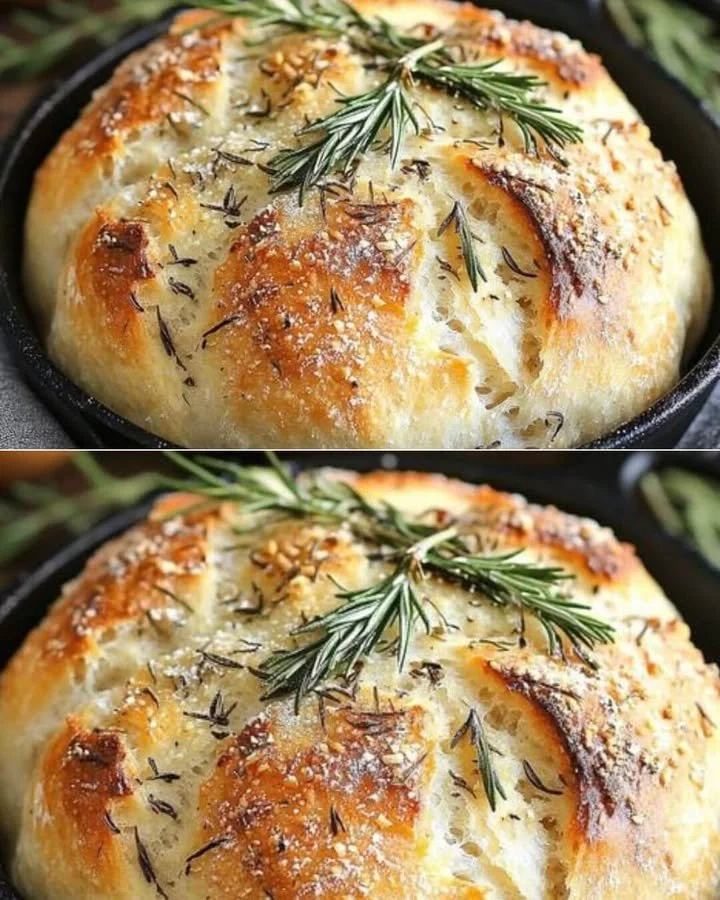
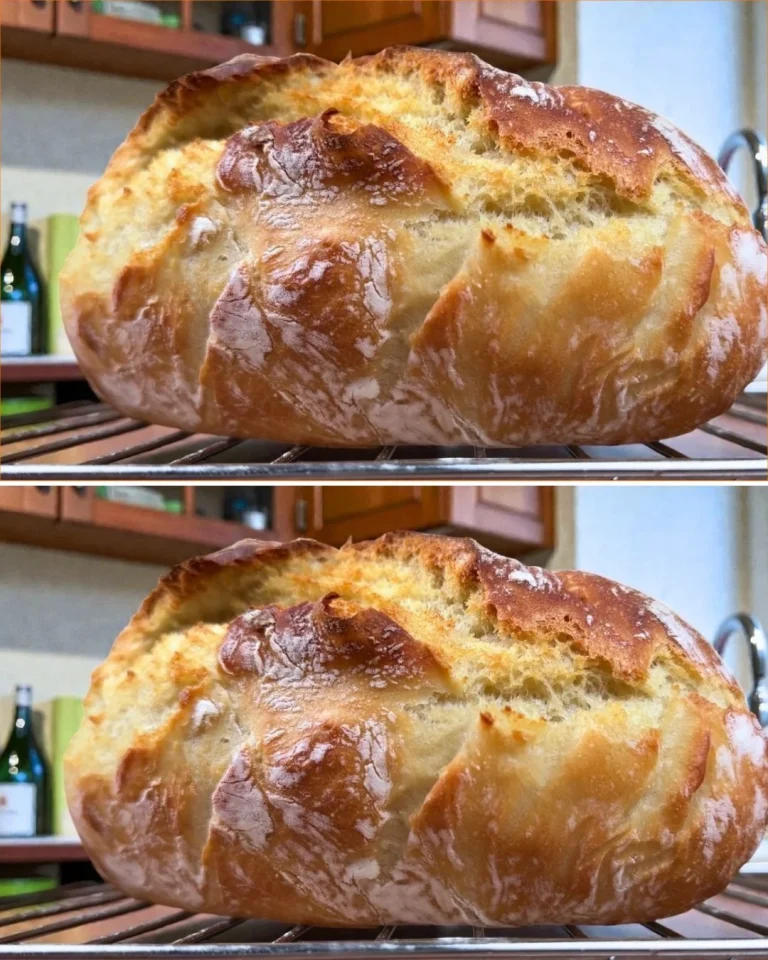
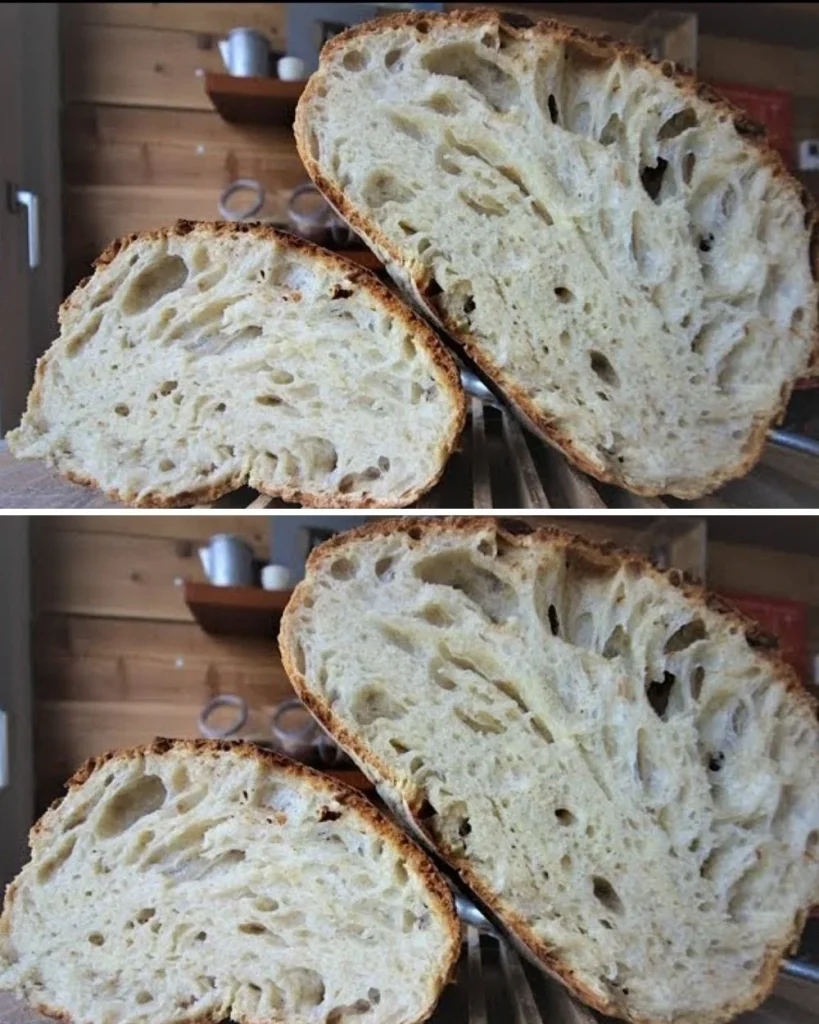
- Produces a delightful crust with a chewy, airy interior.
- You can customize it with herbs, seeds, or even cheese!
Ingredients
- 500 grams (about 4 cups) strong flour type 1 (at least 300 w or 13% protein)
- 400 grams (approximately 1 ⅔ cups) water
- 5 grams (1 teaspoon) salt
- 3 grams (about 1 teaspoon) dry yeast or 9 grams (1 cube) fresh yeast
Kitchen Tools Needed
- Large mixing bowl
- Wooden spoon or dough whisk
- Clean kitchen towel or plastic wrap
- Baking sheet
- Parchment paper (optional)
Step-by-Step Instructions
- In a large mixing bowl, combine the strong flour with water, stirring until the mixture is moistened and a rough dough forms.
- Add the yeast to the center of the water, gently stirring it until dissolved. Allow it to rest for about 5 minutes to activate.
- Sprinkle salt over the dough and mix well until everything is evenly combined. Cover the bowl with a clean kitchen towel and let it rest for 1 hour. This step allows the gluten to develop – essential for a good rise!
- After resting, wet your hands and perform two folds of the dough by gently pulling up the sides and folding them towards the center, creating a round shape. Let it rest for another hour.
- Lightly flour your work surface, then transfer the dough. Gently stretch and roll the dough in both directions twice without deflating it too much. Cover it and let it rest for 15 minutes.
- After the rest, carefully widen the dough without crushing it. Roll it up from the shorter side and seal the edges, then place it seam side down on a floured baking sheet. Cover and let it rest for 5 minutes.
- After resting, shape the edges of the bread and make a long slash across the top with a sharp knife or bread lame. Bake in a preheated oven at 250°C (482°F) for about 20 minutes, then reduce the oven temperature to 210°C (410°F) and bake for an additional 30 minutes, or until the bread is a deep golden brown and sounds hollow when tapped on the bottom.
- Allow your homemade rustic bread to cool on a wire rack. Slice and enjoy with your favorite toppings!
Pro Tips
- Use room temperature water for better yeast activation.
- Be gentle while handling the dough to maintain its air bubbles for a better texture.
- If you want an extra crusty exterior, place a pan of water in the oven while baking to create steam.
- Experiment with flour types or add ingredients like nuts or seeds to personalize your loaf.
Common Mistakes
- Adding too much flour can lead to a dense loaf. Measure carefully and adjust as necessary.
- Not allowing enough time for the dough to rest can result in insufficient rise.
- Forgetting to preheat the oven can compromise the crust.
Variations
- Add fresh herbs, such as rosemary or thyme, for an aromatic twist.
- Mix in seeds like sesame or sunflower for added texture and flavor.
- Incorporate cheese, like grated parmesan, for a savory loaf.
- Swirl in some pesto or olive tapenade before rolling for a burst of flavor.
Serving Suggestions
Serve your rustic bread fresh from the oven with butter or olive oil. It pairs beautifully with soups, salads, or even as bases for bruschetta. It’s also delightful for sandwiches or simply enjoyed on its own.
Storage Instructions
Store the bread in a paper bag at room temperature for up to three days. For longer storage, wrap it tightly in plastic wrap and freeze. Just be sure to slice it first for easy thawing!
Reheating Tips
To revive leftover bread, wrap it in foil and place it in a preheated oven at 180°C (356°F) for about 10 minutes, or until warmed through.
Nutrition Estimate
- Calories: 200 per slice (based on 12 slices per loaf)
- Protein: 6 g
- Carbs: 40 g
- Fat: 1 g
Recipe Summary
- Prep Time: 2 hours
- Cook Time: 50 minutes
- Total Time: 2 hours and 50 minutes
- Servings: 12
- Cuisine: Rustic
- Course: Bread
- Calories: 200
Frequently Asked Questions
-
Can I use all-purpose flour?
Yes, but the texture may be slightly different. Strong flour helps create a chewier bread. -
What if my dough isn’t rising?
Check the freshness of your yeast and ensure your environment is warm enough for fermentation. -
Can I make this bread without yeast?
You could try a yeast substitute like baking soda, but it requires a different technique. -
Is it possible to use whole wheat flour?
Yes, whole wheat flour can be used; you may need to adjust the water slightly for consistency. -
Can I refrigerate the dough to slow down fermentation?
Absolutely! Just cover the bowl tightly with plastic wrap and refrigerate it. Bring it back to room temperature before shaping.
Baking your own rustic bread at home is not only rewarding, but it also fills your space with comforting aromas that invite everyone to gather. Enjoy the process, learn from any little bumps along the way, and relish each slice as it comes out of your kitchen. Happy baking!
Rustic Bread
Ingredients
Method
- In a large mixing bowl, combine the strong flour with water, stirring until the mixture is moistened and a rough dough forms.
- Add the yeast to the center of the water, gently stirring it until dissolved. Allow it to rest for about 5 minutes to activate.
- Sprinkle salt over the dough and mix well until everything is evenly combined. Cover the bowl with a clean kitchen towel and let it rest for 1 hour.
- After resting, wet your hands and perform two folds of the dough by gently pulling up the sides and folding them towards the center.
- Let it rest for another hour.
- Lightly flour your work surface, then transfer the dough. Gently stretch and roll the dough in both directions twice without deflating it too much.
- Cover it and let it rest for 15 minutes.
- After the rest, carefully widen the dough without crushing it. Roll it up from the shorter side and seal the edges, then place it seam side down on a floured baking sheet.
- Cover and let it rest for 5 minutes.
- Shape the edges of the bread and make a long slash across the top with a sharp knife or bread lame.
- Bake in a preheated oven at 250°C (482°F) for about 20 minutes, then reduce the oven temperature to 210°C (410°F) and bake for an additional 30 minutes.
- Allow the bread to cool on a wire rack before slicing.