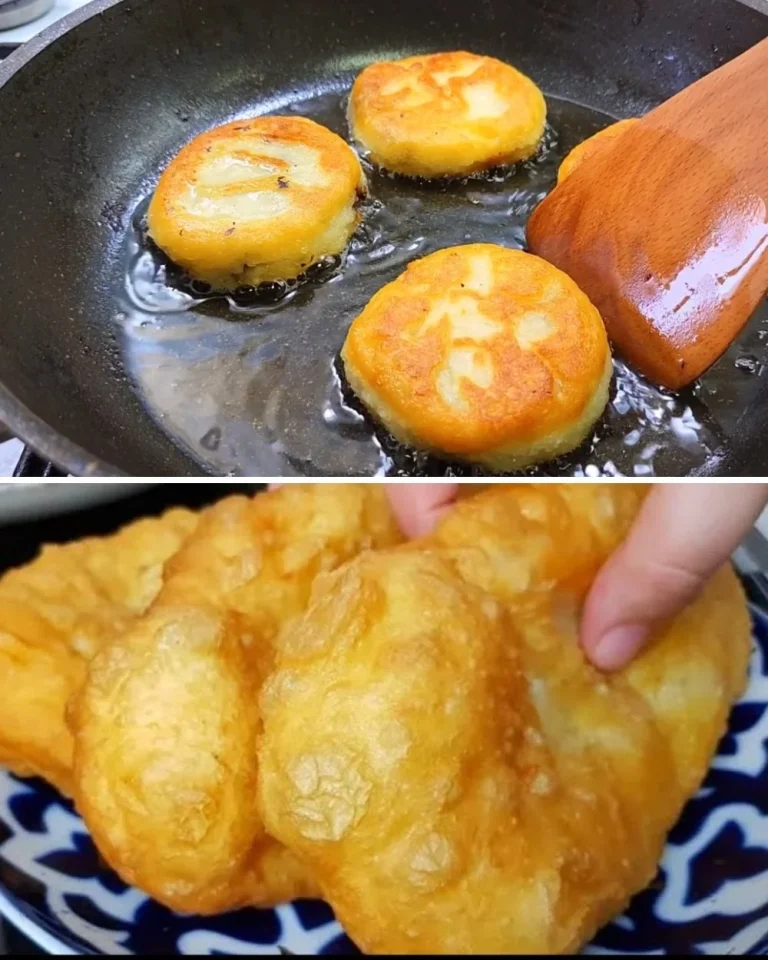
Potato Onion Skillet Cakes
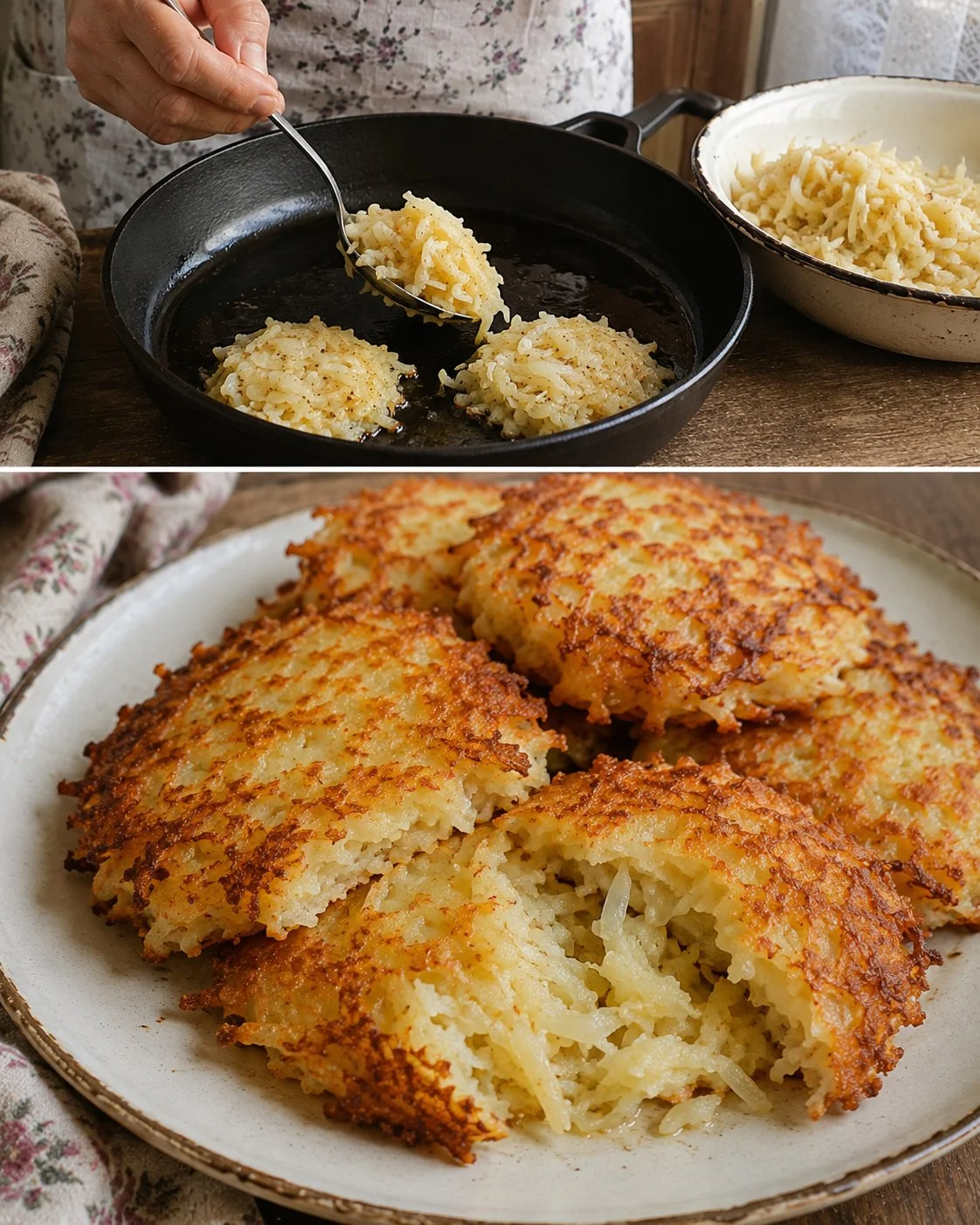
Potato onion skillet cakes are a simple, satisfying dish that combines the comfort of crispy fried potatoes with the sweet sharpness of onion. This recipe is especially useful when you want a quick, hearty meal or side without fussing over many ingredients. The combination of potatoes and onion provides comforting starch and fiber, while the egg and flour help bind everything into golden, crunchy cakes. Because these are pan-fried, they carry some indulgence in fat, so they’re best enjoyed as a balanced part of a meal, rather than an everyday staple.
This recipe works well for home cooks looking for an easy way to turn basic pantry ingredients into something warm and filling. It’s a great match for anyone who gravitates toward simple comfort food but appreciates a bit of texture from the crispy edges and tender centers. One little kitchen insight: it’s really important to squeeze out as much liquid as possible from the grated potatoes and onion to avoid soggy cakes that won’t crisp up. For a similarly straightforward skillet potato recipe with a slightly different twist, you might also enjoy a crispy potato pancake recipe to mix things up occasionally.
Why This Recipe Is Helpful
- Uses minimal, common ingredients you likely have on hand.
- Quick to prepare, making it ideal for busy weeknights or last-minute dinners.
- Offers a crispy texture that contrasts well with soft, tender insides.
- Provides a comforting, budget-friendly side or main dish option.
- Easy to scale up for family meals or batch cooking.
- Can be adapted to lighter cooking methods or ingredient swaps if desired.
Who This Recipe Is Best For
This recipe is great for anyone wanting a fulfilling, easy-to-make dish without complicated prep. It suits busy families looking for quick dinner ideas or home cooks who enjoy simple vegetable-forward meals that still feel hearty. Potato lovers and those who appreciate pan-fried foods will particularly enjoy the crispy exterior and mild onion flavor. It’s a good choice for people who want a mostly vegan base, but the egg inclusion does mean it’s not entirely egg-free.
Who Should Be Careful
Since these cakes are fried, people avoiding oily foods or watching fat intake may want to limit portions or try baking instead. Those sensitive to potatoes as a starchy carb source—such as some managing blood sugar—should enjoy this recipe in moderation. The addition of flour and sour cream adds to the calorie density, so balancing the meal with vegetables or a lighter side is a helpful strategy. People with egg allergies should also be cautious.
Ingredients
- 4 medium potatoes (about 1.5 lbs / 700 g)
- 1 medium onion (about 6 oz / 170 g)
- 1 large egg
- 3 tablespoons (24 g) all-purpose flour
- 2 tablespoons (30 g) sour cream
- ½ teaspoon salt (adjust to taste)
- ¼ teaspoon black pepper (freshly ground preferred)
- 2–3 tablespoons oil for frying (vegetable, canola, or sunflower)
Ingredient Notes
Potatoes provide the base starch and mild flavor but squeezing their liquid prevents sogginess and helps with crisping. The onion adds a gentle sweetness and aromatic depth. Using one egg binds the mixture without making it too dense. Flour acts as a thickening agent but keep it measured to avoid heavy cakes. Sour cream enriches the batter for tenderness and subtle tang—using plain yogurt is a lighter alternative but may affect texture slightly. Salt and pepper season simply but effectively. The frying oil chosen impacts flavor and crisping, so a neutral oil with a high smoke point works best.
Kitchen Tools Needed
- Box grater or food processor with grating attachment
- Clean kitchen towel or cheesecloth for squeezing liquid
- Mixing bowl
- Non-stick or cast iron skillet
- Spatula
- Measuring spoons
Step-by-Step Instructions
-
Prepare the vegetables: Peel and grate the potatoes and onion using the large holes of a box grater. Transfer the grated mix into a clean kitchen towel or cheesecloth, and squeeze firmly to extract as much moisture as possible. Removing this liquid is key for crispiness.
-
Mix the batter: In a bowl, combine the drained potato and onion mixture with the egg, flour, sour cream, salt, and pepper. Stir until well mixed. The batter should hold together but not be overly wet or runny—adjust the amount of flour slightly if needed.
-
Heat the skillet: Warm 2 tablespoons of oil in a non-stick or cast iron skillet over medium heat until shimmering but not smoking.
-
Cook the cakes: Spoon about ¼ cup (60 ml) of the mixture per cake into the skillet, flatten gently with the back of the spoon to form 3- to 4-inch (7–10 cm) rounds. Do not overcrowd the pan. Cook for about 4–5 minutes on each side, turning carefully when the edges turn golden brown and crisp. Adjust heat as needed to prevent burning.
-
Drain and serve: Once cooked, transfer cakes to a paper towel-lined plate to remove excess oil. Serve warm.
Pro Tips
- For maximum crispiness, do not skip squeezing out all excess liquid from the potatoes and onions.
- Use a heavy skillet such as cast iron for even browning.
- Avoid flipping too early or too often; wait for a crust to form so cakes hold shape.
- If mixture is too loose, add a little more flour, but avoid adding too much or cakes will become dense.
- Let the oil heat properly before adding batter to avoid soggy results.
- Rest leftover cakes on a wire rack rather than stacking to keep crisp.
Healthier or Lighter Swaps
- Replace sour cream with low-fat Greek yogurt or skip it altogether for a tangier but lighter batter.
- Use olive oil or an avocado oil spray and pan-sear cakes with less oil to reduce fat.
- For a gluten-free version, substitute flour with chickpea flour or a gluten-free blend.
- Consider baking cakes at 400°F (200°C) on a greased baking sheet for 20–25 minutes, flipping halfway to minimize oil.
- Add chopped fresh herbs or grated veggies like carrot or zucchini (well squeezed) to boost fiber and veggies.
Common Mistakes
- Not squeezing out enough liquid, resulting in soggy or sticky cakes.
- Crowding the pan, which causes steaming instead of frying and reduces crispiness.
- Using too high heat, causing burning outside before inside cooks.
- Overmixing batter, making the cakes dense.
- Flipping too soon or constantly, breaking cakes apart.
Variations
- Add finely chopped fresh herbs like chives, parsley, or dill for extra flavor.
- Mix in shredded cheese (like sharp cheddar) for richer, golden crusts.
- Add a pinch of smoked paprika or cumin for subtle spice.
- Swap onion for leeks or scallions for a milder taste.
Serving Suggestions
Serve potato onion skillet cakes as a side to roasted meats, with a dollop of sour cream or yogurt, or topped with applesauce for a traditional touch. Pair them with a simple green salad, steamed or roasted vegetables to balance the meal. They also work well as a breakfast option with eggs or smoked salmon.
Storage Instructions
Store leftover cakes in an airtight container in the refrigerator for up to 2 days. Avoid stacking them tightly to keep from losing crispness.
Reheating Tips
Reheat gently in a skillet over medium heat with a little oil to restore crisp edges. Avoid microwaving, which tends to make them soggy.
Nutrition Estimate (per serving, serves 4)
- Calories: ~250 kcal
- Protein: 6 g
- Carbohydrates: 38 g
- Fat: 6 g
Values are approximate and vary with exact brands and portion size.
Recipe Summary
- Prep Time: 15 minutes
- Cook Time: 10–15 minutes
- Total Time: 25–30 minutes
- Servings: 4
- Cuisine: Comfort / Home cooking
- Course: Side dish or light main
- Calories: Approx. 250 per serving
Frequently Asked Questions
Is this recipe good for digestion?
Potatoes and onions provide fiber that can support fullness and digestion for many people, but removing liquid is important to avoid heaviness or sogginess that some may find hard to digest.
Is this recipe suitable for people managing blood sugar?
Due to the starchy potatoes and frying method, it may not be ideal for people strictly managing blood sugar. Enjoy in moderation and pair with fiber-rich vegetables for balance.
Can I make this recipe lighter?
Yes, opting for baking instead of frying and swapping sour cream for yogurt are good ways to reduce fat and calories without sacrificing texture too much.
Is this recipe good for kids?
Children often enjoy the crispy texture and mild flavors, but it’s good to moderate portion size and watch added salt.
Can I make this without egg or flour?
Egg helps bind the cakes, so you would need an alternative like a flax egg or extra flour substitute to maintain shape. Gluten-free flour blends can replace all-purpose flour if needed.
Potato onion skillet cakes are a wonderfully simple, versatile dish that turns ordinary ingredients into a comforting treat. The key to success lies in squeezing out moisture and frying patiently for golden crispness. With just a few ingredients and minimal fuss, this recipe delivers satisfying, flavorful cakes that complement many meals. Whether for weekday dinners or weekend brunches, they’re worth making as a reliable kitchen staple.