No-Oven Bread Recipe: Incredibly Delicious
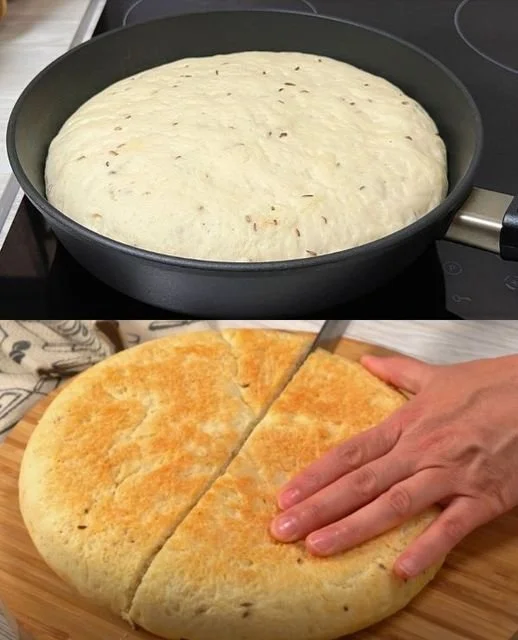
There’s nothing quite like the smell of freshly baked bread wafting through your home, and now you can achieve that without even turning on your oven! This no-oven bread recipe is not only incredibly simple but also results in a soft, fluffy loaf that’s perfect for sandwiches, toast, or simply slathering with butter. It’s a fantastic solution for busy days when you want homemade bread without the fuss of traditional baking. Best of all, it comes together with minimal ingredients and minimal mess, making it a favorite among many home cooks.
Why You’ll Love This Recipe
- Easy to make without an oven — perfect for any home cook.
- Requires just a few ingredients that you probably already have.
- Produces a soft, flavorful loaf that’s great for any meal or snack.
- Ideal for beginners or those hesitant about bread-making.
- Can be customized with herbs, cheese, or spices for extra flavor.
Ingredients
- 400 grams (14.1 oz) plain flour
- 220 milliliters (1 cup) water
- 6 grams (0.2 oz) instant yeast
- 2 teaspoons sugar
- 1 teaspoon salt
Ingredient Notes
Plain flour is ideal for this recipe as it has a good balance of protein for structure. Instant yeast is convenient because it can be mixed into dry ingredients without needing proofing. Sugar adds a bit of sweetness and helps in browning the crust, while salt enhances the flavor.
Kitchen Tools Needed
- Mixing bowl
- Whisk or spoon
- Non-stick frying pan or skillet
- Lid for the pan
- Clean kitchen towel
Step-by-Step Instructions
- In a mixing bowl, whisk together the plain flour, sugar, salt, and instant yeast until evenly combined.
- Gradually add the water to the dry ingredients, stirring until a sticky dough forms.
- Knead the dough in the bowl for about 5-7 minutes until it becomes smooth and elastic. If it’s too sticky, sprinkle a little more flour as needed.
- Cover the dough with a kitchen towel and let it rest in a warm place for about 1 hour, or until it has doubled in size.
- After the dough has risen, gently deflate it and shape it into a round loaf.
- Heat a non-stick frying pan over low to medium heat. Once hot, place the dough in the pan, cover it with a lid, and let it cook for about 30-40 minutes.
- Check the bread halfway through; if it’s browning too quickly, lower the heat. You want a nice golden crust.
- When it’s done, it should sound hollow when tapped. Remove from the pan and let cool on a wire rack before slicing.
Pro Tips
- Ensure your water is warm, not hot, to activate the yeast without killing it.
- Don’t rush the resting time; a good rise will improve the loaf’s texture.
- Experiment with adding herbs like rosemary or thyme for extra flavor.
- Keep an eye on the bread while cooking to avoid burning; every stove’s heat may vary.
Common Mistakes
- Using cold water can hinder yeast activation.
- Not kneading enough can lead to a dense loaf.
- Overcrowding the pan with more than one loaf can result in uneven cooking.
- Covering too tightly can create excess steam, making the crust soft instead of crusty.
Variations
- Add 1 cup (100 g) of shredded cheese to the dough for a cheesy version.
- Incorporate 1 tablespoon of dried herbs for a fragrant loaf.
- Try adding seeds like sesame or poppy on top before the final rise.
- For a sweeter loaf, mix in a handful of raisins or nuts.
Serving Suggestions
This bread is delightful warm, sliced with a bit of butter or served alongside soups and salads. It also makes a great base for sandwiches filled with your favorite meats and veggies.
Storage Instructions
Store any leftover bread in an airtight container at room temperature for up to 3 days. For longer storage, slice and freeze; just be sure to wrap it tightly.
Reheating Tips
To reheat, simply toast the slices in a toaster or wrap the bread whole in aluminum foil and warm it in a preheated oven at 350°F (175°C) for about 10 minutes.
Nutrition Estimate
Approximately 200 calories, 6 g protein, 35 g carbs, and 2 g fat per slice.
Frequently Asked Questions
Can I use whole wheat flour?
Yes, you can substitute whole wheat flour, but you may need to adjust the water slightly, as whole wheat absorbs more moisture.
What if my bread doesn’t rise?
Ensure your yeast is fresh and your water temperature was correct. If the dough doesn’t rise, it may need more time in a warm environment.
Can I add other ingredients?
Certainly! You can experiment with spices, seeds, or even chopped olives for a unique twist.
How do I know when the bread is done?
It should sound hollow when tapped and have a golden-brown crust.
Is it okay to refrigerate the bread?
Refrigeration can cause the bread to dry out. It’s best stored at room temperature or frozen.
The beauty of this no-oven bread is in its simplicity and versatility. With just a few pantry staples and a little patience, you’ll be enjoying fresh, homemade bread in no time. Happy baking!