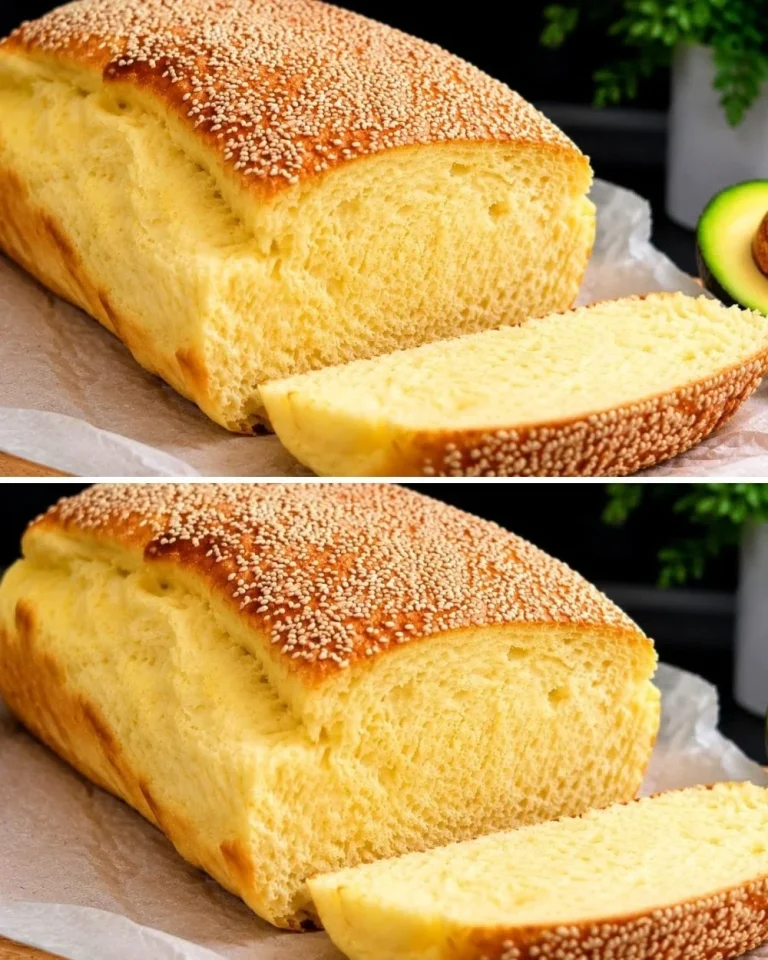
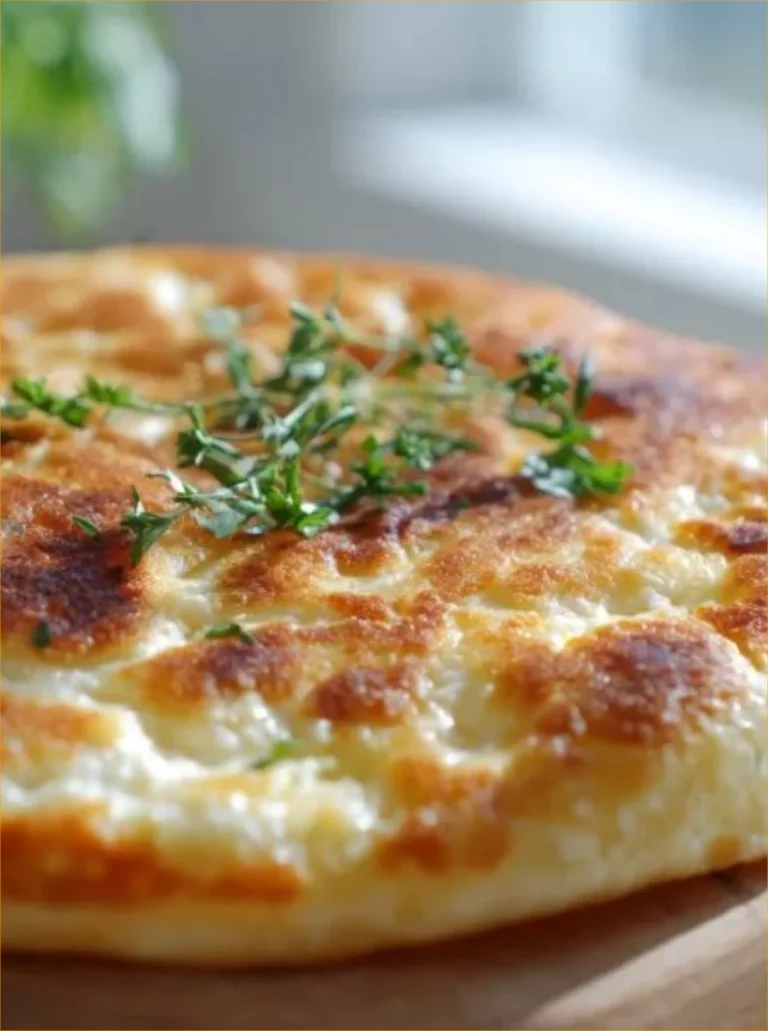
Garlic Cheddar Asparagus Bread Recipe
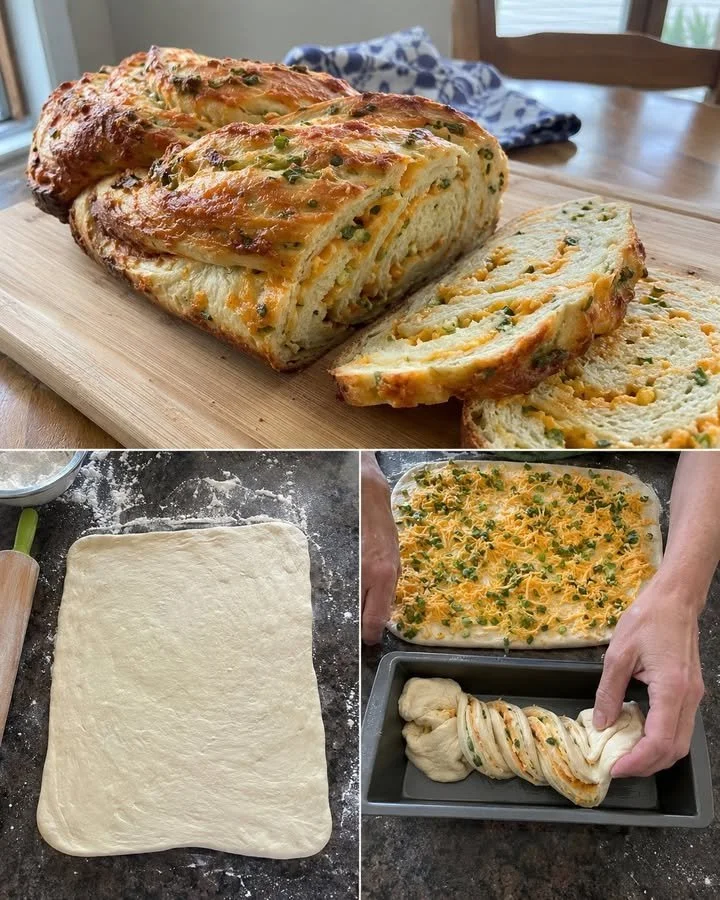
There’s something so comforting about homemade bread, especially when it’s infused with bold flavors like garlic asparagus and sharp cheddar. This bread is a great way to bring some fresh, savory goodness to your table without too much fuss. The combination of tender asparagus garlic stalks and melty cheddar cheese creates pockets of flavor that make each bite interesting. It feels a bit rustic but is surprisingly straightforward to prepare.
What’s nice is how the dough evolves: after a good knead, it turns silky smooth and with just the right chew. Adding the shredded cheddar means you get those cheesy streaks throughout, and the finely chopped garlic asparagus adds an aromatic punch that’s not overpowering. This bread pairs wonderfully with soups, salads, or even on its own as a snack.
Why You’ll Love This Recipe
- Uses simple pantry staples plus fresh garlic asparagus for unique flavor
- Soft, elastic dough that’s easy to work with for beginners
- Cheese baked inside for gooey, savory surprises in every slice
- Versatile shape options — shape into a loaf or round boule
- Practical timing with two rises, fitting well into a typical afternoon
- Adding fresh ingredients like garlic asparagus balances rich cheddar nicely
Ingredients
- 2 ½ cups (300 g) all-purpose flour
- 1 envelope (7 g) instant dry yeast
- 1 teaspoon sugar
- 1 teaspoon salt
- ¾ cup (180 ml) warm water (about 100°F/38°C)
- ¼ cup (60 ml) warm milk (about 100°F/38°C)
- 2 tablespoons (30 ml) olive oil
- 5 oz (150 g) garlic asparagus, finely chopped (see notes)
- 5 oz (150 g) shredded sharp cheddar cheese
- Optional: 1 garlic clove, finely minced
Ingredient Notes
Garlic asparagus (also known as Chinese chive flower stems or "espárragos de ajo") delivers a mild, garlicky onion flavor without being too strong. If you can’t find it fresh, minced garlic chives or even finely chopped scallions can be substituted, but the flavor won’t be quite the same. The cheddar cheese should be a sharp or medium sharp variety to cut through the bread’s mildness and keep a nice melty texture when baked. Using instant yeast simplifies the process — no proofing required — just make sure your liquids are warm but not hot to avoid killing the yeast.
Kitchen Tools Needed
- Large mixing bowl
- Wooden spoon or spatula
- Clean surface or pastry mat for kneading
- Kitchen towel or plastic wrap
- Loaf pan or baking sheet lined with parchment paper
- Cooling rack
Step-by-Step Instructions
-
In a large bowl, mix together the flour, instant yeast, sugar, and salt until well combined.
-
Add the warm water, warm milk, and olive oil to the dry ingredients. Stir with a wooden spoon or spatula until the mixture starts to come together.
-
Turn the dough out onto a lightly floured surface. Knead vigorously for about 8–10 minutes until the dough feels smooth, slightly tacky, and elastic. This kneading step is crucial for developing gluten, which gives the bread its chewy structure.
-
Gently fold in the finely chopped garlic asparagus and shredded cheddar cheese. Be careful not to over-knead at this point, just work them evenly through the dough. The cheese can be a bit sticky, so sprinkle a little flour on your hands if needed.
-
Lightly oil a clean bowl and shape the dough into a ball, placing it inside. Cover the bowl with a damp kitchen towel or plastic wrap. Let the dough rest in a warm place for about 1 hour or until it doubles in size.
-
After the first rise, gently punch down the dough to release the air. Shape it into either a loaf or a round boule, depending on your preference. Place it on a parchment-lined baking sheet or into a lightly greased loaf pan.
-
Cover the shaped dough again with a kitchen towel and let it rise for another 30–40 minutes. The dough should puff up slightly but doesn’t need to double again.
-
Meanwhile, preheat your oven to 390°F (200°C).
-
Bake the bread for 25–30 minutes, until the crust turns golden brown. Tap the bottom of the loaf — it should sound hollow, indicating the bread is fully baked.
-
Remove from the oven and transfer the bread to a cooling rack. Let it cool completely before slicing to prevent the cheese from oozing out too much and to allow the crumb to set properly.
Pro Tips
- Use a kitchen scale for accuracy, especially with flour and cheese, to keep the dough balanced.
- Avoid adding too much flour during kneading; slight stickiness means good hydration and better crumb.
- If fresh garlic asparagus isn’t available, sauté finely minced garlic lightly before adding to dough to mellow the flavor.
- Make sure liquids are warm (around 100°F/38°C); too hot and the yeast can die, too cold slows the rise.
- To get an even tighter crumb, you can knead a minute longer, but don’t overdo or the bread may become tough.
Common Mistakes
- Using hot water that kills the yeast – always test temperature first.
- Adding cheese before the initial rise – can interfere with yeast activity; incorporate after kneading.
- Not letting the dough rise long enough – results in dense bread.
- Over-kneading after adding cheese and asparagus – cheese can melt into dough and get gloopy.
- Cutting the bread too soon while hot – leads to gummy texture and cheese melt-out.
Variations
- Swap cheddar for mozzarella or pepper jack for a different cheesy kick.
- Add herbs such as thyme, rosemary, or parsley for extra aroma.
- Fold in chopped sun-dried tomatoes or olives for Mediterranean flair.
- Replace some flour with whole wheat for a nuttier taste and denser crumb.
Serving Suggestions
This bread makes a fantastic side for soup or stew, where the cheddar and garlic flavors stand out. It’s also delicious served warm with some butter or alongside a fresh salad for a light lunch. Sliced thin and toasted, it’s perfect for sandwiches or dipping into olive oil and balsamic vinegar.
Storage Instructions
Store leftover bread wrapped tightly in plastic wrap or inside an airtight container at room temperature for up to 2 days. For longer storage, freeze wrapped well for up to 3 months.
Reheating Tips
To refresh the bread, preheat the oven to 350°F (175°C) and warm the loaf or slices for about 5–8 minutes. This helps restore the crust’s crispness without drying the crumb.
Nutrition Estimate (per serving, based on 8 servings)
- Calories: 210
- Protein: 7 g
- Carbohydrates: 28 g
- Fat: 7 g
Recipe Summary
- Prep Time: 15 minutes
- Rising Time: 1 hour 40 minutes (total)
- Cook Time: 25–30 minutes
- Total Time: Approximately 2 hours
- Servings: 8
- Cuisine: Fusion / Homemade Bread
- Course: Side / Snack
- Calories: 210 per serving
Frequently Asked Questions
Can I use fresh garlic instead of garlic asparagus?
Yes, but finely mince it and consider sautéing first to mellow the flavor, as raw garlic can be overpowering.
What if I only have active dry yeast?
You can use it, but dissolve it in warm water with sugar first and wait 5–10 minutes until foamy before mixing with flour.
Can I make this bread in a bread machine?
Yes, but add the asparagus and cheese after the initial knead cycle to prevent damaging your machine.
How do I know when the bread is fully baked?
Tap the bottom of the loaf; it should sound hollow. The crust should also be golden brown.
Is this bread good for sandwiches?
Absolutely. Just let it cool and slice thinly for the best sandwich texture.
This garlic asparagus and cheddar bread is a delicious way to switch up your homemade bread routine. Its melty cheese and fresh veggie bites make it feel special but it’s easy enough for weeknight baking. Enjoy the warm, hearty aroma filling your kitchen as it bakes—it’s a small joy worth making often.