Fresh Cheese
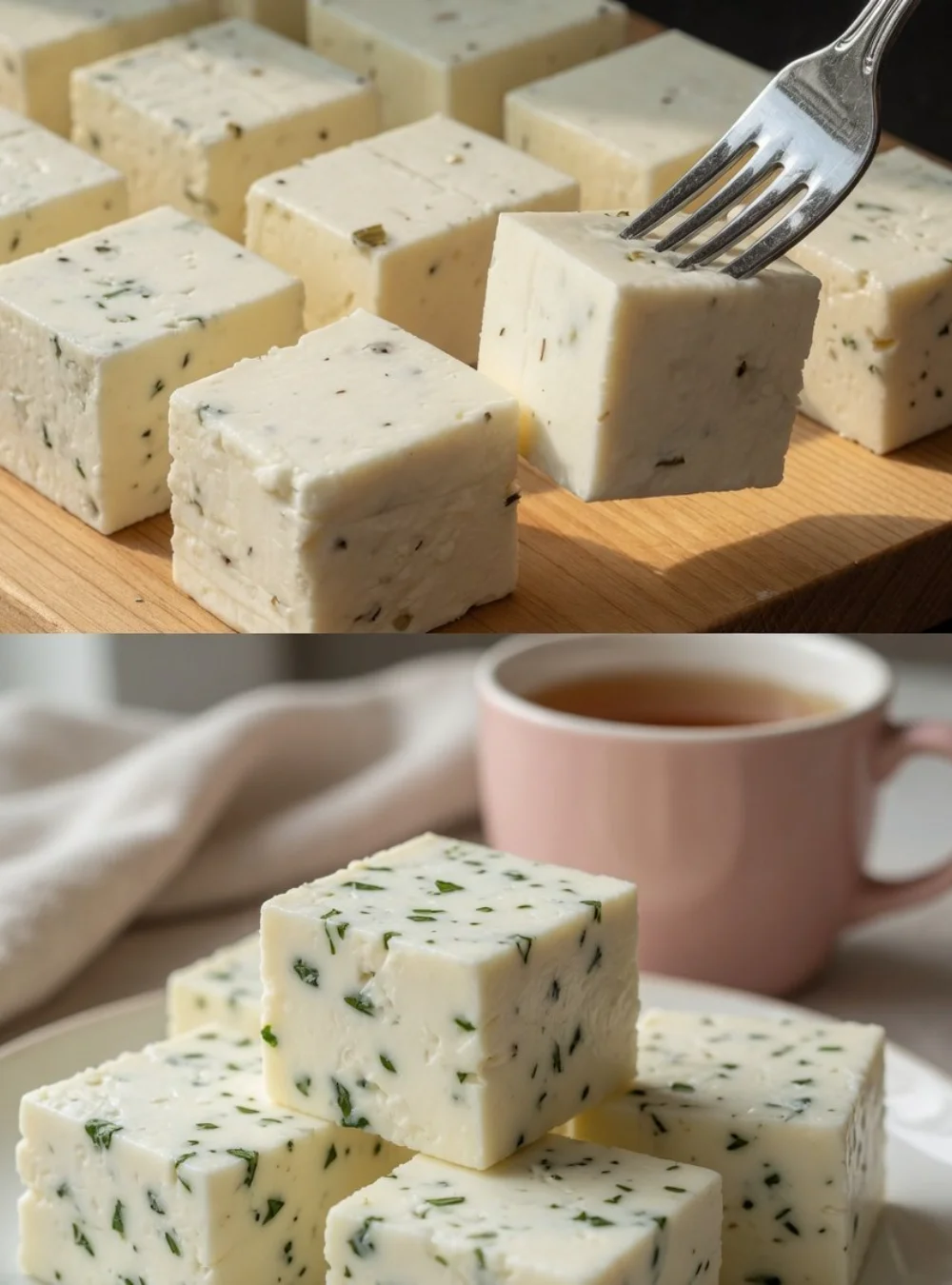
Making fresh cheese at home may seem daunting, but it’s surprisingly simple and incredibly rewarding. With just a few ingredients, you can whip up a soft, creamy cheese that’s perfect for spreading on crusty bread or using in salads. This recipe is great for beginners and experienced cooks alike. Plus, it’s a fantastic way to incorporate a little homemade goodness into your meals without requiring any fancy equipment or hard-to-find ingredients. The best part? You can customize the flavors with fresh herbs or spices to suit your taste.
Why You’ll Love This Recipe
- Quick and easy: It only takes about 15 minutes to make fresh cheese.
- Versatile: Enjoy it on its own or incorporate it into various dishes.
- Customizable: Experiment with your favorite herbs and spices for a personal touch.
- Freshness: There’s nothing quite like the taste of homemade cheese.
- Healthy: Made with simple ingredients, you can feel good about this addition to your meals.
Ingredients
- 1 cup (240 ml) whole milk
- 1 tablespoon (15 ml) white vinegar or lemon juice
- Salt (optional, to taste)
- Herbs, spices, or olive oil (optional, for seasoning)
Ingredient Notes
Using whole milk yields the best texture and flavor for your cheese. If you’re looking for a lighter option, you can experiment with low-fat milk, but the taste and creaminess will differ. Fresh lemon juice gives a brighter flavor, while vinegar provides a milder tang.
Kitchen Tools Needed
- Small saucepan
- Fine mesh strainer
- Cheesecloth or a clean kitchen towel
- Mixing bowl
- Spoon
Step-by-Step Instructions
- Pour the whole milk into a small saucepan and heat over medium heat until it is steaming, but not boiling. You’ll want to watch closely to prevent boiling over.
- Remove the saucepan from heat and stir in the white vinegar or lemon juice. This will cause the milk to curdle.
- Let the mixture sit undisturbed for about 5 minutes. You’ll see the milk separate into curds and whey.
- Place a fine mesh strainer over a mixing bowl and line it with cheesecloth or a clean kitchen towel. Pour the curdled mixture into the strainer to drain.
- Let it drain for a few minutes, adjusting the time depending on your desired moisture level. For a creamier cheese, drain less; for a firmer cheese, let it drain longer.
- Transfer the cheese to a bowl and season with salt, if desired, along with any herbs or spices you’d like to add.
- Serve fresh or store in an airtight container in the refrigerator for up to a week.
Pro Tips
- For added flavor, mix in some chopped fresh herbs like basil or chives.
- If you prefer a creamier texture, gently mix in a splash of olive oil after draining.
- Taste as you go! Adjust salt and seasonings to find your perfect balance.
- Make sure the milk does not boil, as this can affect the curdling process.
Common Mistakes
- Boiling the milk can prevent it from curdling properly; always heat it gently.
- Not letting the curds drain long enough can leave you with a soupy texture.
- Forgetting to season can leave your cheese bland, so don’t skip that step!
Variations
- Herbed Cheese: Add garlic powder, onion powder, or fresh herbs for a flavor boost.
- Spicy Cheese: Mix in crushed red pepper flakes for a spicy kick.
- Sweet Cheese: Stir in some honey and a pinch of cinnamon for a delightful breakfast treat.
- Cheese with Zest: Add lemon or lime zest for a refreshing twist.
Serving Suggestions
This fresh cheese is wonderful spread on toast, used in salad dressings, or paired with fresh veggies for a light snack. Try it in a simple pasta dish or as a filling in tacos.
Storage Instructions
Store the cheese in an airtight container in the refrigerator. It will stay fresh for up to one week. If you notice any liquid accumulation, just drain it off before use.
Reheating Tips
Fresh cheese is best used cold or at room temperature, but if you want to warm it slightly, do so gently in a microwave for a few seconds.
Nutrition Estimate
- Calories: Approximately 70 per serving
- Protein: 4 g
- Carbs: 1 g
- Fat: 6 g
Recipe Summary
- Prep Time: 5 minutes
- Cook Time: 10 minutes
- Total Time: 15 minutes
- Servings: 4
- Cuisine: Homemade
- Course: Snack/Appetizer
- Calories: 70
Frequently Asked Questions
-
Can I use low-fat milk?
Yes, but it may not yield the same creamy texture as whole milk. -
How can I prevent my cheese from being too salty?
Start with a small pinch of salt and adjust gradually to your taste. -
What should I do if my milk doesn’t curdle?
Ensure your milk is fresh and try adjusting the temperature. It should be steaming, not boiling. -
Can I make this cheese vegan?
This specific recipe is dairy-based, but you can explore recipes using nut milks or tofu for a vegan alternative. -
Why is my cheese too crumbly?
This can happen if the curds are drained for too long or if the initial milk was heated too much.
Making fresh cheese at home really brings a new dimension to your cooking, and it’s honestly easier than you might think. Enjoy the process and the delicious results you’ll create!

Fresh Cheese
Ingredients
Method
- Pour the whole milk into a small saucepan and heat over medium heat until it is steaming, but not boiling.
- Remove the saucepan from heat and stir in the white vinegar or lemon juice to curdle the milk.
- Let the mixture sit undisturbed for about 5 minutes to separate curds and whey.
- Place a fine mesh strainer over a mixing bowl and line it with cheesecloth or a clean kitchen towel.
- Pour the curdled mixture into the strainer to drain.
- Let it drain for a few minutes, adjusting the time depending on your desired moisture level.
- Transfer the cheese to a bowl and season with salt and any herbs or spices.
- Serve fresh or store in an airtight container in the refrigerator for up to a week.