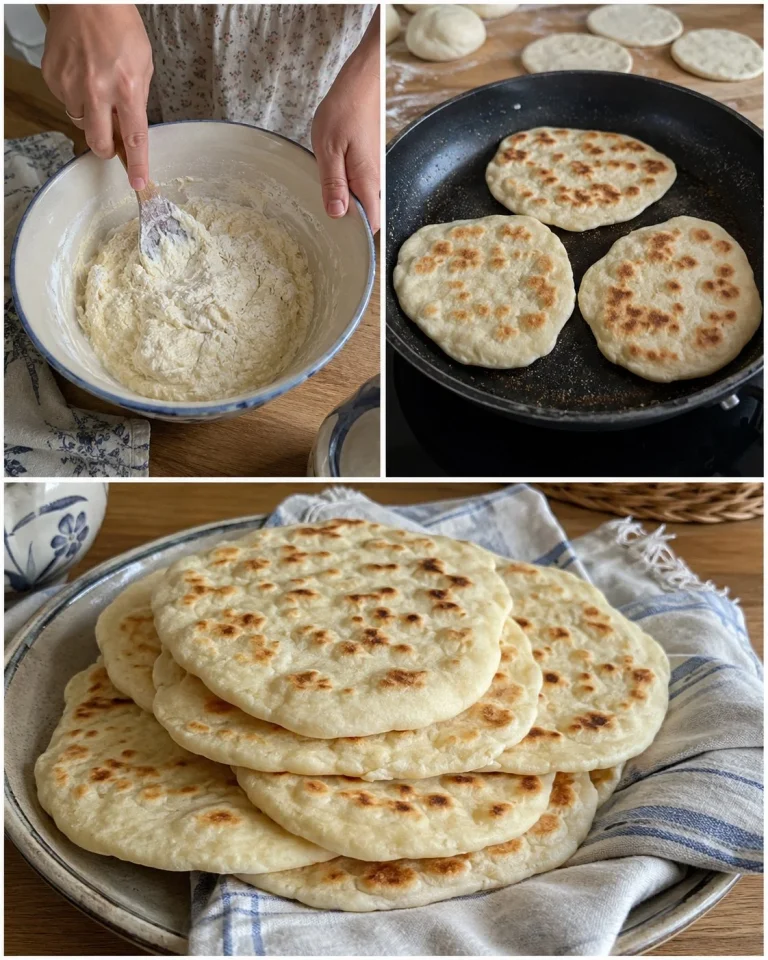
No-Yeast Cottage Cheese Flatbread
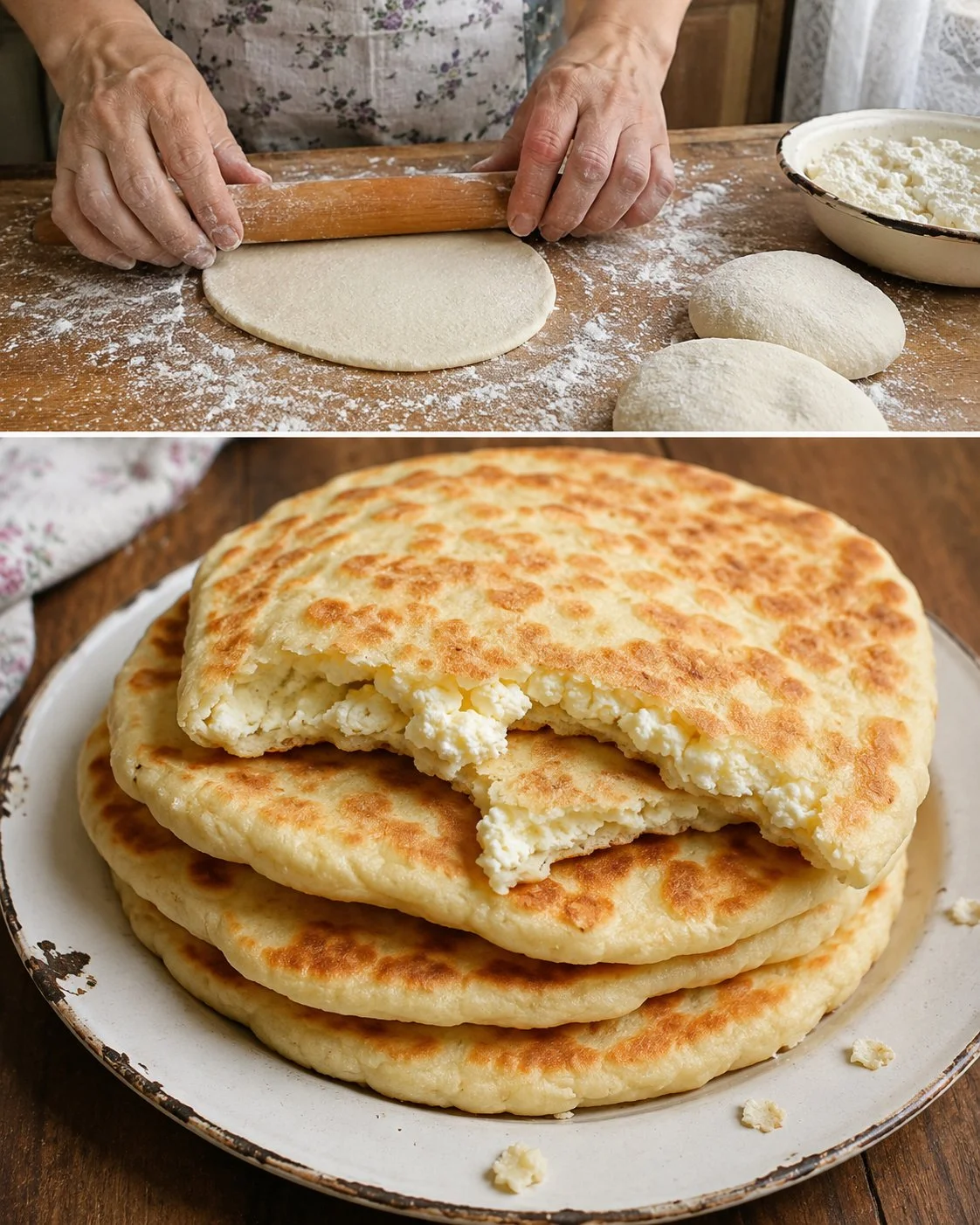
This no-yeast cottage cheese flatbread is a quick and versatile bread option that comes together in minutes, making it perfect for busy days or last-minute meals. It uses simple pantry ingredients, with cottage cheese adding a lovely moistness and mild tang, which boosts protein content while keeping the bread tender. This recipe is useful for anyone wanting a yeast-free bread alternative that doesn’t require rising time, which is especially handy if you’re short on time or prefer something less fussy. One thing to keep in mind is that relying on baking powder for leavening means these flatbreads won’t be as fluffy or airy as yeast breads—they’re more dense and rustic.
This recipe is ideal for home cooks who appreciate easy, comforting bread without extra waiting or complicated steps. The texture is pleasantly soft with a slight chew, and cooking the rounds in a skillet gives them charming golden spots and a lightly crisp edge. It’s great for sandwich bases, dipping, or just enjoying warm with a bit of butter or topping. For a flavor boost or variety, you may want to explore savory add-ins, such as herbs or spices, similar in spirit to this cottage cheese dill flatbread recipe.
Why This Recipe Is Helpful
- Requires no yeast or rising, cutting down prep time significantly
- Uses common, affordable ingredients found in most kitchens
- Cottage cheese adds moisture and protein, balancing out the carbs
- Soft yet sturdy texture suitable for sandwiches, wraps, or snacks
- Can be cooked quickly on a stovetop without needing an oven
- Flexible base for adding herbs, spices, or toppings based on preference
Who This Recipe Is Best For
This flatbread suits busy families or anyone seeking a homemade bread substitute with minimal hassle. It’s a smart option for those who want a filling side that pairs well with soups, stews, or salads, as the protein from the cottage cheese helps create a more balanced meal. People who prefer soft, tender breads but dislike waiting for yeast to rise will appreciate how straightforward this is. Also, home cooks who enjoy experimenting with simple doughs can easily adapt it with flavor tweaks.
Who Should Be Careful
While this bread is a convenient yeast-free option, those who need to limit refined flour intake might want to substitute some of the all-purpose flour with whole grain or other flours for added fiber. Because it contains dairy (cottage cheese and egg), it’s not suitable for people with dairy or egg allergies. And since it relies on baking powder, it’s best enjoyed fresh rather than stored for long periods, as texture changes quickly.
Ingredients
- 1 cup (240 g) cottage cheese
- 1 large egg
- 1 3/4 cups (220 g) all-purpose flour
- 1 teaspoon baking powder
- 1/2 teaspoon salt
- 2 tablespoons (30 ml) oil, plus extra for cooking
Ingredient Notes
Cottage cheese is the star here—it keeps the dough moist and adds extra protein, making the flatbread more satisfying than just flour and water. Whole milk cottage cheese works best; avoid low-fat varieties as they may dry out the dough. The egg binds everything together, giving structure and richness. Baking powder acts as the leavening agent, giving a light rise without yeast, so make sure yours is fresh. Regular all-purpose flour provides a tender crumb, but swapping half for whole wheat can add fiber and a nuttier flavor. The oil adds moisture and helps the bread cook golden in the pan.
Kitchen Tools Needed
- Mixing bowl
- Whisk or fork
- Rolling pin or hands for shaping
- Non-stick or cast iron skillet
- Spatula
Step-by-Step Instructions
- In a mixing bowl, combine the cottage cheese, egg, salt, and oil. Stir until well mixed.
- In a separate bowl, whisk together the flour and baking powder. Gradually add the dry ingredients to the wet, stirring until a soft dough forms. The dough should be slightly sticky but workable—if too sticky, add a little flour, or if too dry, add a teaspoon of water or milk.
- Divide the dough into 6 to 8 equal portions. Lightly flour your surface and roll each piece into a flat round about 1/4 inch (6 mm) thick.
- Heat a skillet over medium heat and brush lightly with oil. Place one flatbread in the pan and cook for 2–3 minutes per side, or until golden spots appear and the bread puffs slightly. Avoid pressing down while cooking to keep it tender.
- Repeat with the remaining dough, adding more oil to the pan as needed. Keep cooked flatbreads covered with a clean kitchen towel to retain warmth and softness.
Pro Tips
- Use fresh baking powder to ensure a good rise.
- Don’t overwork the dough; mixing until just combined keeps bread tender.
- If rolling sticks, lightly flour the surface and pin—don’t add too much or the dough will dry.
- Cook on medium heat to avoid burning while allowing thorough cooking inside.
- Cover cooked flatbreads with a towel to keep them soft and pliable.
- Experiment with adding chopped herbs or spices for extra flavor.
Healthier or Lighter Swaps
Try swapping half the all-purpose flour for whole wheat or spelt flour for extra fiber and nutrients. You can reduce oil slightly or use olive oil for a heart-healthier fat option. These flatbreads could also be baked on a sheet instead of pan-fried to reduce oil use, though the texture will differ. Adding finely grated vegetables like zucchini or carrot into the dough can boost veggie content, though moisture balance may need adjustment.
Common Mistakes
- Using dry or stale baking powder, which leads to flat, dense breads
- Rolling the dough too thin or too thick, affecting cooking time and texture
- Cooking on too high heat that burns the exterior before the inside is cooked
- Overmixing the dough, which can produce a tough texture
- Not resting flatbreads after cooking, causing them to dry out quickly
Variations
- Add fresh or dried herbs such as dill, thyme, or oregano for flavor
- Mix in shredded cheese for a richer, savory twist
- Include finely chopped onions or garlic in the dough
- Serve warm topped with avocado, hummus, or yogurt for a quick snack
Serving Suggestions
These flatbreads are lovely served warm with dips like hummus, baba ganoush, or tzatziki. They make excellent wraps for grilled meats, roasted vegetables, or as a quick sandwich base. Pair with a fresh salad or soup for an easy, balanced meal. Because of their soft texture, they hold up well wrapped around fillings but also work nicely simply brushed with butter or olive oil.
Storage Instructions
Store leftover flatbreads wrapped tightly in plastic wrap or in an airtight container at room temperature for up to 2 days. For longer storage, freeze flatbreads separated by parchment paper in a sealed bag for up to 1 month. Thaw at room temperature before reheating.
Reheating Tips
Reheat flatbreads in a dry skillet over medium-low heat for 1–2 minutes per side until warmed through and slightly crisp on the edges. Avoid microwaving if possible, as it can make them rubbery or tough.
Nutrition Estimate (per flatbread, recipe makes 6)
Calories: ~150
Protein: 7 g
Carbohydrates: 20 g
Fat: 4.5 g
Values are estimates and vary based on exact ingredient brands and portion sizes.
Recipe Summary
Prep Time: 10 minutes
Cook Time: 15 minutes
Total Time: 25 minutes
Servings: 6 flatbreads
Cuisine: Simple homemade bread
Course: Side, snack
Calories: ~150 per serving
Frequently Asked Questions
Is this recipe good for digestion?
This flatbread has a moderate amount of protein and carbs with minimal fiber. People seeking digestive benefits may prefer adding whole grain flour or vegetables to increase fiber content.
Is this recipe suitable for people managing blood sugar?
It uses refined flour, which raises blood sugar more than whole grains. People managing blood sugar should enjoy this bread in moderation or substitute whole grain flours.
Can I make this recipe lighter?
Yes, you can reduce the oil or bake the flatbreads instead of cooking them in a skillet. Using whole wheat flour and adding vegetables also improves nutritional value.
Is this recipe good for kids?
Absolutely. It’s soft, mildly flavored, and rich in protein from cottage cheese and egg, making it kid-friendly.
Can I make this without cottage cheese or egg?
Removing cottage cheese or egg alters texture and binding significantly, so this recipe isn’t ideal without them. For dairy-free or egg-free versions, consider other flatbread recipes designed for those needs.
This no-yeast cottage cheese flatbread is a simple, speedy bread that brings homemade comfort without hours of preparation. It’s flexible enough for many mealtime uses, and by paying attention to dough texture and cooking temperature, you’ll enjoy tender, golden rounds perfect any day.