3-Ingredient Yogurt Skillet Bread
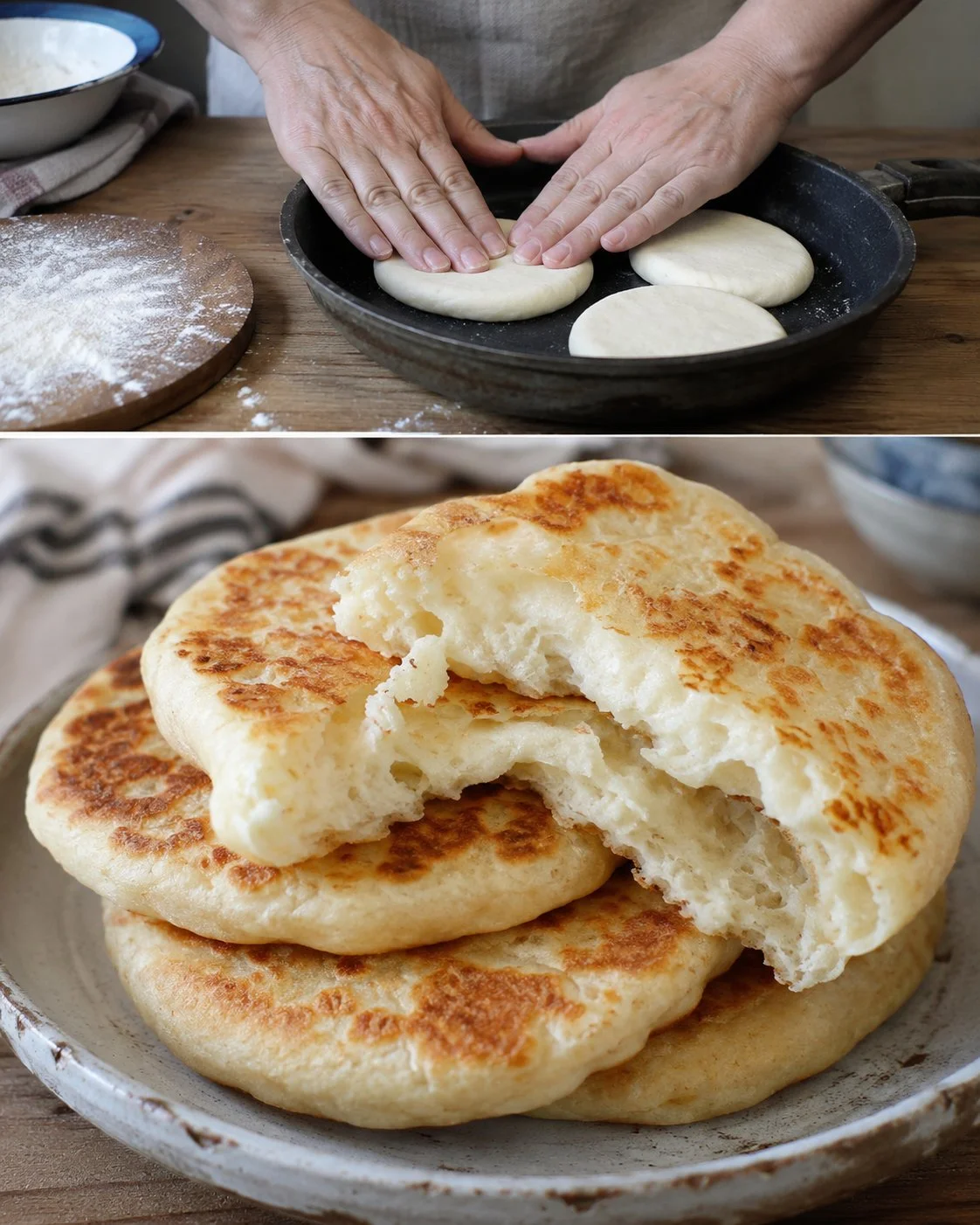
This simple 3-ingredient yogurt skillet bread offers a quick and easy alternative to traditional bread baking. It’s made from just plain yogurt, self-rising flour, and oil, which means you can whip it up without yeast or elaborate preparation. This bread is a practical choice when you want something fresh, warm, and homemade but don’t have hours to spend waiting for dough to rise. Because it’s made with yogurt, it has a pleasing tang and softness while also providing some protein and calcium, making it a bit more nourishing than plain white bread. However, it’s important to note that this bread does rely on self-rising flour, so anyone monitoring their sodium intake might want to keep portions moderate.
This recipe is ideal for home cooks who appreciate simplicity and fast results without sacrificing flavor. The texture turns out wonderfully soft on the inside with a lightly crisped edge when cooked in a skillet, making it versatile for breakfast, snacks, or even alongside dinner. One trick to improve the final loaf is to keep the heat low during cooking — this helps the bread cook through without burning the outside. If you want to explore a similar style of easy bread, this skillet method pairs well with related quick bread recipes like the 3-minute yogurt bread with no kneading or shaping.
Why This Recipe Is Helpful
- Uses just three simple ingredients that are usually on hand, cutting down on prep time and shopping.
- No special equipment needed beyond a skillet and basic mixing bowl.
- Produces soft, slightly tangy bread that feels fresh and homemade.
- Cooked on the stovetop, so no oven is required — perfect for kitchens without an oven or when you want to save energy.
- Versatile for breakfast, lunch, or an easy side for dinner.
- A modest protein boost and calcium from yogurt make it more balanced than some quick breads.
Who This Recipe Is Best For
This bread works well for busy home cooks who want fresh bread fast without fussing over yeast and proofing. It’s a good option for families needing last-minute bread or a snack, or anyone who prefers stovetop cooking. Because it’s made with yogurt, it appeals to those who enjoy a touch of tang in their bread or want a slightly softer crumb. Additionally, people who don’t have easy access to an oven or prefer avoiding baking will find this technique especially useful. The mildly dense texture is satisfying but easy to rip apart, making it kid-friendly and approachable for beginner cooks.
Who Should Be Careful
Since this recipe uses self-rising flour, it contains added salt and leavening agents, so it may not be best for people who are controlling their sodium intake or sensitive to baking powder. Also, because it requires refined flour, those managing blood sugar carefully should enjoy it in moderation. The bread is cooked in oil, which adds flavor and helps with texture but also increases fat content slightly, so if you’re avoiding extra fats, consider brushing the skillet lightly rather than pouring oil. Yogurt is generally well-tolerated but those with lactose intolerance might want to use lactose-free options or skip this recipe.
Ingredients
- 1 cup (240 ml) plain yogurt
- 2 cups (240 g) self-rising flour
- 2 tablespoons (30 ml) oil, plus extra for cooking
Ingredient Notes
The plain yogurt is the heart of this bread — it adds moisture, a delicate tang, and protein. For a creamier texture and slightly more nutrition, Greek yogurt can work as a replacement, making the bread denser and adding more protein. The self-rising flour already contains baking powder and salt, so there’s no need to add extra leavening agents, simplifying the recipe. If you don’t have self-rising flour, you can make a quick substitute by combining all-purpose flour with baking powder and salt, but measurements should be precise. The oil (vegetable, canola, or light olive oil) keeps the dough tender and helps with skillet cooking, but it’s best not to use strongly flavored oils that might alter the bread’s mild taste.
Kitchen Tools Needed
- Mixing bowl
- Measuring cups and spoons
- Skillet or frying pan with a lid (preferably non-stick)
- Spatula or tongs for flipping
Step-by-Step Instructions
- In a mixing bowl, combine 1 cup (240 ml) plain yogurt with 2 cups (240 g) self-rising flour. Stir until it forms a soft shaggy dough.
- Add 2 tablespoons (30 ml) of oil to the dough and knead briefly with your hands — just enough to bring it together into a smooth but soft ball. Avoid over-kneading to keep the bread tender.
- Divide the dough into 6 to 8 equal pieces. Roll each into a ball, then flatten slightly with your palm to form rounds about ¼ inch (0.5 cm) thick.
- Lightly oil your skillet and heat it over low heat. Place a few rounds in the skillet, cover with a lid, and cook slowly for about 4-5 minutes until bubbles begin to form and the underside is golden.
- Flip the rounds carefully, cover again, and cook the other side for another 4-5 minutes until golden and puffed.
- Remove from the skillet and keep warm or serve immediately. Repeat with remaining rounds, adding a small amount of oil if needed.
Pro Tips
- Using low heat is key to cooking the bread fully without burning — patience makes a better crust and softer interior.
- If your dough feels too sticky to handle, dust your hands lightly with flour rather than adding more into the dough to avoid toughness.
- Covering the skillet helps steam the bread and keeps the crumb soft.
- Let the bread cool slightly before stacking or storing to prevent sogginess.
- Experiment with adding herbs or spices directly into the dough for variety.
Healthier or Lighter Swaps
- Substitute Greek yogurt for plain to increase protein and reduce moisture.
- Use whole wheat self-rising flour or a half whole wheat mix for more fiber, but expect a denser texture.
- Cook with just a light brush of oil or a non-stick spray to reduce fat intake.
- Serve bread alongside vegetable soups or salads to balance the meal.
Common Mistakes
- Cooking on high heat too quickly burns the bread exterior but leaves the center doughy.
- Adding too much flour when kneading makes the bread dry and tough.
- Not covering the skillet traps less steam, resulting in a firmer, less fluffy bread.
- Flattening the dough too thin causes it to cook unevenly or dry out.
- Over-kneading can develop gluten too much, losing the tender crumb.
Variations
- Add minced garlic, chopped herbs, or grated cheese into the dough for extra flavor.
- Serve with honey or jam for a quick sweet snack.
- Roll out slightly thicker and use as a pizza base or flatbread alternative.
- Incorporate finely chopped spinach or grated zucchini into the dough to boost veggie content.
Serving Suggestions
This skillet bread is delicious fresh and warm, perfect for dipping into soups, curries, or stews. It pairs beautifully with scrambled eggs or a simple salad for a light meal. For a snack, serve with butter, cheese, or your favorite spreads. Because it’s mildly tangy and soft, the bread balances well with both savory and sweet accompaniments.
Storage Instructions
Allow the bread to cool completely. Store leftovers wrapped tightly in plastic wrap or an airtight container at room temperature for up to 2 days, or freeze for up to 1 month. Reheat gently to restore softness.
Reheating Tips
Reheat bread in a dry skillet over low heat for 1-2 minutes per side. This helps regain the fresh-cooked texture and avoid sogginess, which can happen with microwaves. Alternatively, warm it wrapped in foil in a low oven.
Nutrition Estimate (per serving, assuming 8 pieces)
- Calories: 140
- Protein: 4 g
- Carbohydrates: 20 g
- Fat: 5 g
Values are estimates and may vary based on exact ingredients and portion size.
Recipe Summary
- Prep Time: 10 minutes
- Cook Time: 15 minutes
- Total Time: 25 minutes
- Servings: 6-8
- Cuisine: Easy homemade bread
- Course: Side or snack
- Calories: Approximately 140 per serving
Frequently Asked Questions
Is this bread good for digestion?
The yogurt adds a gentle tang and some live cultures if using probiotic brands, which may aid digestion for some, but the recipe mainly relies on flour and oil. It’s not a digestive remedy, but a balanced homemade bread option.
Is this bread suitable for people managing blood sugar?
Because it uses self-rising flour which is refined and can raise blood sugar, people managing blood sugar should enjoy this bread in moderation and monitor portions carefully.
Can I make this bread lighter?
Yes, using Greek yogurt for more protein and a light brush of oil instead of pouring it will reduce fat slightly. Adding whole grain flour is possible but will change texture.
Is this recipe good for kids?
Absolutely. The bread’s soft texture and mild flavor make it appealing and easy for kids to handle and eat.
Can I make this bread without an oven?
Yes, this recipe is specifically designed for stovetop cooking, making it perfect for kitchens without an oven or when you want a quick alternative to baking.
This recipe is a wonderfully practical way to enjoy fresh bread without advanced prep or special equipment. The straightforward mix of yogurt and flour makes it approachable, and cooking on the skillet gives it a rustic charm that’s comforting and versatile. Just keep the heat low, cover the skillet, and enjoy quick homemade bread any time you need it.