Oven-Baked Moroccan Flatbread Recipe: Mlawi Mkhmar
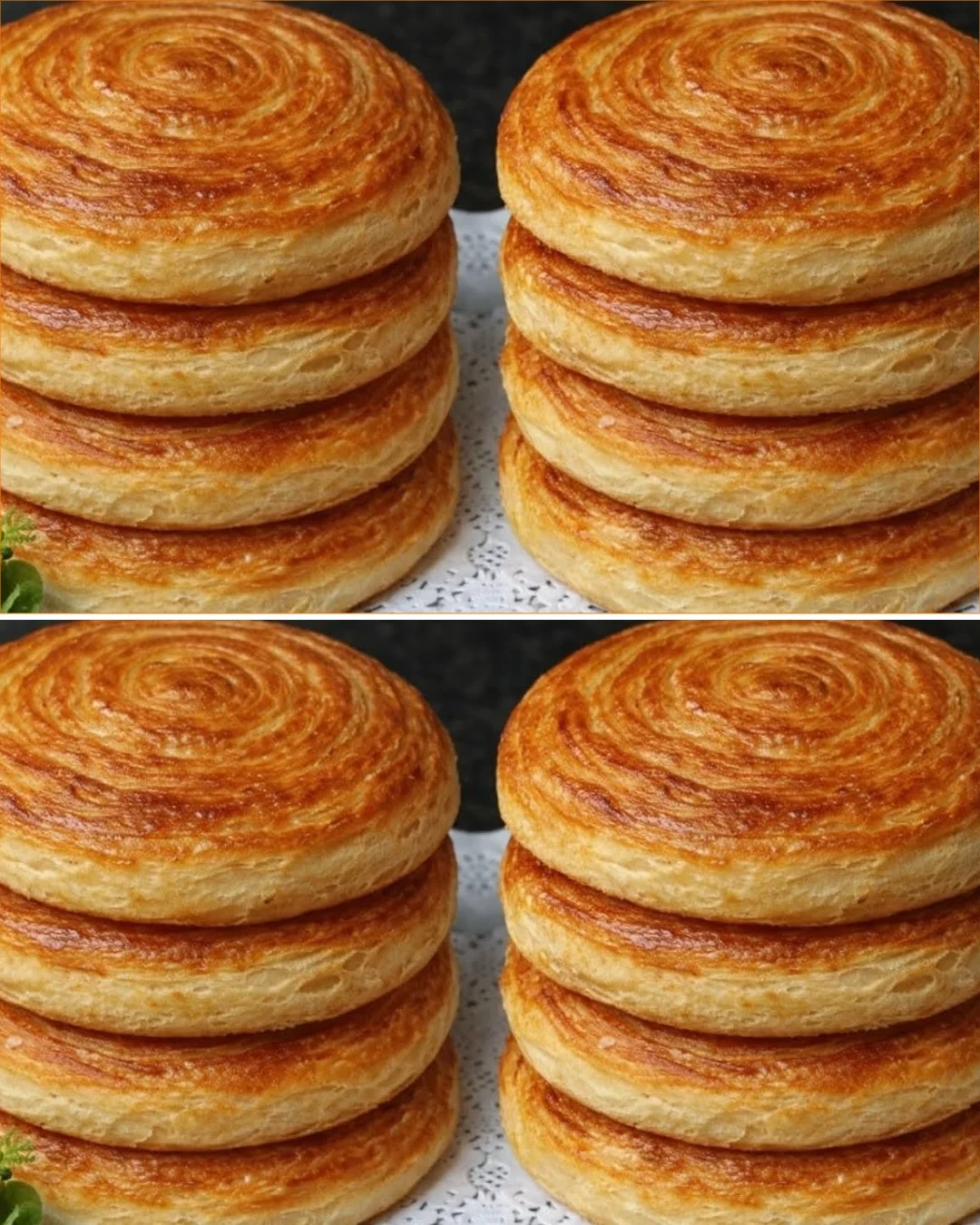
Oven-baked Moroccan flatbread, or Mlawi Mkhmar, is a fantastic dish that embodies warmth and comfort, making it perfect for sopping up flavorful stews or enjoying with spreads. This bread has recently gained popularity for its unique texture and the delightful experience of making it from scratch. When I first tried this recipe, I was pleasantly surprised by how simple it was to achieve a soft yet crispy flatbread, reminding me of the ones I enjoyed during my travels through Morocco.
While baking, the aroma wafted through my kitchen, tempting everyone in the house. The surprise was in the layers that form when you fold the dough; they make a beautiful contrast of crusty edges and soft insides, giving you a lovely texture in every bite. Let’s dive into how to make this delightful bread that pairs wonderfully with your favorite dishes.
Why You’ll Love This Recipe
- Easy to follow with just a few basic ingredients.
- The folding technique creates inviting layers for added texture.
- Perfectly suited for dipping or accompanying main dishes.
- Baking gives a delightful crispiness that pan-frying cannot match.
- You’ll impress your family and friends with authentic Moroccan flavors.
Recipe
Ingredients
- 2 cups (240 g) all-purpose flour
- 1 cup (150 g) semolina
- 1 tablespoon (10 g) active dry yeast
- 2 tablespoons (25 g) granulated sugar
- Salt (to taste, approximately 1 teaspoon)
- 3 tablespoons (45 ml) olive oil
- 1 cup (240 ml) warm milk (about 110°F/43°C)
- 1/2 cup (120 ml) water (add as needed)
Step-by-Step Instructions
- In a large mixing bowl, combine the all-purpose flour, semolina, active dry yeast, sugar, and a pinch of salt.
- Create a well in the center and add the olive oil, warm milk, and half of the water.
- Mix with a spoon until the dough begins to form. Gradually add the remaining water if the mixture seems too dry. You want a slightly sticky dough consistency.
- Transfer the dough to a lightly floured work surface. Knead for about 8-10 minutes until the dough is smooth and elastic.
- Place the dough in a lightly greased bowl, cover it with a kitchen towel, and let it rise in a warm place until doubled in size, approximately 1 to 1.5 hours.
- Once the dough has risen, punch it down and divide it into 4 equal portions. Roll each portion out on a floured surface until very thin, about 1/4 inch (6 mm).
- Brush each rolled-out portion lightly with olive oil and fold it over itself several times to create layers (like an accordion). This step is crucial for texture.
- After folding, roll out each layered piece gently to flatten it again, ensuring the layers remain intact.
- Cut the flatbreads into your desired shapes—round or rectangle works well.
- Arrange the shaped dough on a baking sheet lined with parchment paper. Preheat your oven to 425°F (220°C).
- Bake for 15-20 minutes or until the flatbreads are golden brown and crispy. Keep an eye on them towards the end to prevent burning.
- Remove from the oven and let cool slightly before serving. Enjoy warm with your favorite dips or dishes.
Pro Tips
- For even softer bread, allow the shaped dough to rest for 10 minutes before baking; this relaxes the gluten.
- Experiment with adding herbs like rosemary or za’atar to the dough for an extra flavor kick.
- If you prefer a chewier flatbread, roll out a bit thicker.
Common Mistake
A common mistake is not kneading the dough sufficiently, which can lead to tough bread. Make sure it feels smooth and elastic after kneading.
Tested Note
The bread is best enjoyed fresh out of the oven, but it’s equally delicious toasted later.
Serving Suggestions
Serve this Moroccan flatbread warm, ideal for accompanying tagines, stews, or as a base for dips like hummus and baba ganoush. You could also pile it high with your favorite grilled meats or roasted vegetables for a delightful meal.
Storage Instructions
Store any leftover flatbreads in an airtight container at room temperature for up to 2 days. If you want to keep them fresh longer, consider wrapping them in foil and placing them in the freezer, where they will last for about a month.
Reheating Tips
To reheat, place the flatbread in a 350°F (175°C) oven for about 5-10 minutes, or until warmed through. You can also briefly grill them for a minute or two on each side.
Nutrition Estimate
- Calories: 200
- Protein: 6g
- Carbohydrates: 32g
- Fat: 6g
Recipe Summary Card
- Prep Time: 30 minutes
- Cook Time: 20 minutes
- Total Time: 2 hours
- Servings: 4
- Cuisine: Moroccan
- Course: Bread
- Calories: 200
Frequently Asked Questions
- Can I use whole wheat flour instead of all-purpose?
- Yes, but the texture may be denser, and you might need to adjust the liquid.
- How do I make this recipe vegan?
- Replace the milk with a plant-based milk and omit the egg wash.
- Can I make the dough ahead of time?
- Absolutely! You can prepare the dough the night before and refrigerate it after the first rise.
- What can I serve with this bread?
- It pairs great with stews, soups, or even as a base for sandwiches.
- Why did my flatbreads turn out too hard?
- They may have been overbaked or kneaded too much, which can toughen the dough.
Conclusion
This oven-baked Moroccan flatbread has quickly become a favorite in my household, thanks to its wonderful texture and ability to complement a variety of dishes. Once you master the layering technique, you may find yourself experimenting with different flavors and serving ideas.
I tested this recipe multiple times, adjusting the dough’s hydration levels, and I found that a touch more water resulted in fluffier, airier bread—an improvement worth noting!