Potato Egg Breakfast Skillet
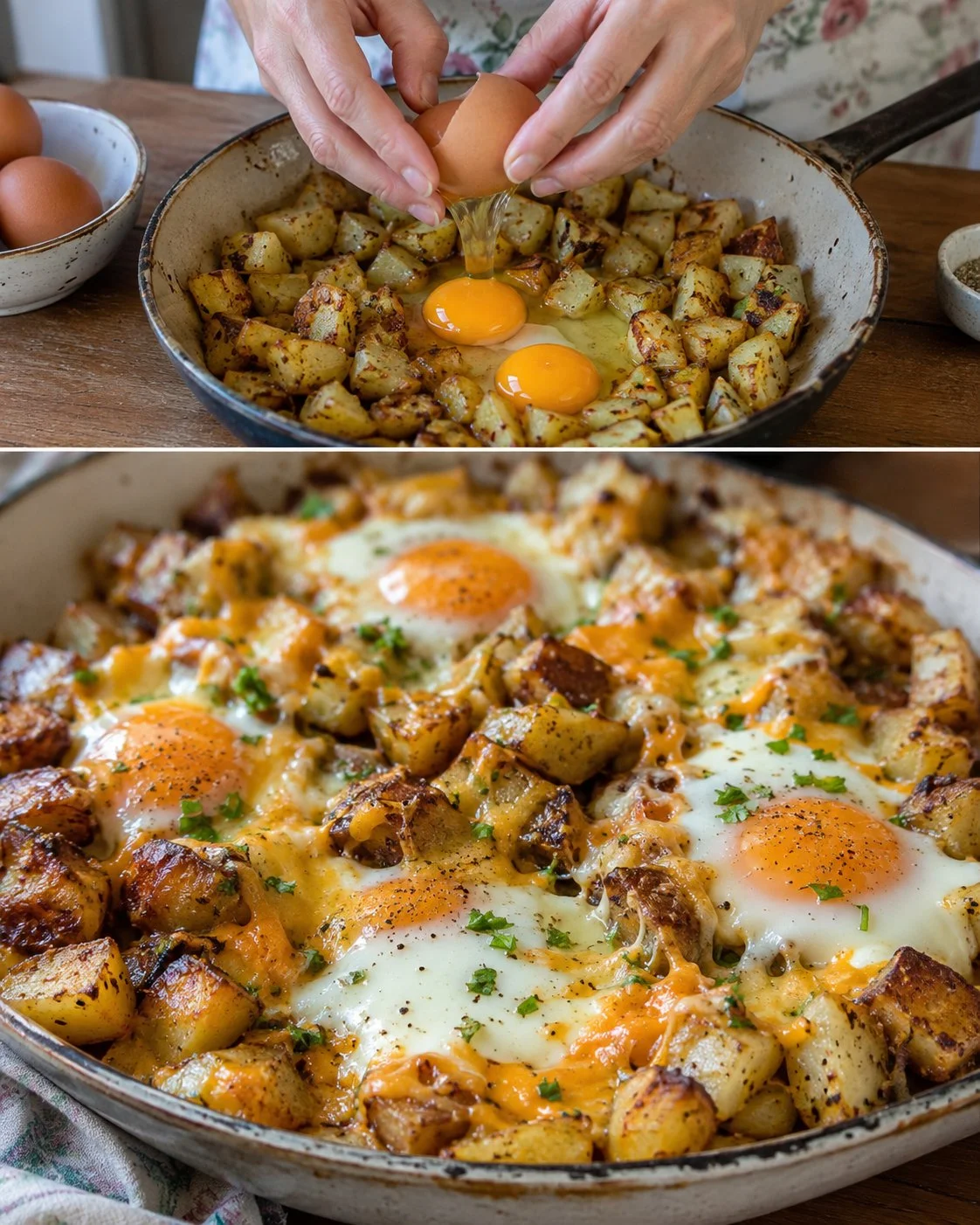
Potato Egg Breakfast Skillet is a straightforward, satisfying dish that combines simple pantry staples into a hearty meal any time of day. It’s especially handy when you need something filling, easy to prepare, and balanced with carbs, protein, and a bit of fat. Using just potatoes, onion, eggs, cheese, and a touch of oil, this skillet offers comforting texture and flavor without requiring complicated techniques. While it’s a filling and wholesome option, those watching fat intake or preferring lighter meals might want to adjust the cheese and oil quantities.
This recipe is ideal for anyone who enjoys a home-cooked breakfast or brunch that doesn’t demand much fuss. It’s also great for beginners wanting to learn how to manage stovetop and oven cooking in one dish. One kitchen insight: cooking the potatoes until just tender but not mushy provides the best texture, so the eggs set nicely without overcooking the base. For a similar twist on skillet cooking, you can check out this golden potato and egg skillet recipe.
Why This Recipe Is Helpful
- Uses basic, easy-to-find ingredients that stretch your grocery budget.
- Combines protein and carbs with vegetables for balanced morning or anytime meals.
- One-pan cooking means less cleanup and convenience.
- Adaptable for quick weeknight dinners or lazy weekend brunches.
- The cheese adds flavor and richness without overpowering the dish.
- Baking or cooking covered helps the eggs set gently, avoiding tough whites.
Who This Recipe Is Best For
Potato Egg Breakfast Skillet is perfect for busy families looking for a filling, homemade meal that satisfies a range of tastes. It’s a good pick for home cooks who want to avoid processed convenience foods while still saving time. This dish is also well-suited for those wanting a carbohydrate-protein combo that feels substantial but easy to digest, making it a nice option for any season.
Who Should Be Careful
Because this recipe uses oil and cheese, it leans towards the richer side and might feel heavy for people sensitive to fats or those trying to minimize oil consumption. It may also not be ideal for individuals managing blood sugar closely, given the potatoes’ carbohydrate content. Adjusting the oil, cheese, or egg quantity can help moderate richness based on personal dietary needs.
Ingredients
- 4 medium potatoes (about 1 pound / 450 g), diced
- 1 medium onion (about 150 g), diced
- 4 large eggs
- ½ cup (50 g) grated cheese (such as cheddar or mozzarella)
- 2 tablespoons (30 ml) oil (vegetable or olive oil)
- Salt, to taste
- Black pepper, to taste
Ingredient Notes
Potatoes provide satisfying carbohydrates and volume, making this recipe filling and budget-friendly. Onions add natural sweetness and aroma. Eggs supply protein, helping with fullness and meal balance. The grated cheese contributes flavor and a creamy texture, but you can adjust the type or amount for lighter versions. Using a neutral oil ensures even cooking and prevents sticking, though olive oil can add its own subtle flavor.
Kitchen Tools Needed
- Ovenproof skillet or cast iron pan
- Knife and cutting board
- Spatula or wooden spoon
- Grater for cheese
- Stove and oven
Step-by-Step Instructions
- Preheat your oven to 375°F (190°C) if you plan to finish cooking in the oven.
- Peel (optional) and dice the potatoes into small, uniform cubes for even cooking. Dice the onion similarly.
- Heat the oil in an ovenproof skillet over medium heat. Add the potatoes and onions, seasoning with salt and pepper. Stir occasionally for about 10–15 minutes until the potatoes are almost tender but still hold their shape.
- Create four small wells in the potato-onion mixture using a spoon or spatula. Carefully crack one egg into each well.
- Sprinkle the grated cheese evenly over the skillet. Cover with a lid or foil, or transfer to the oven.
- Cook covered on stovetop over low heat for about 5–7 minutes or bake in the oven for about 8–10 minutes until the eggs are set but yolks remain slightly soft (or cooked to your preference).
- Remove from heat, season again if needed, and serve warm.
Pro Tips
- Cut potatoes small and uniform to ensure they cook evenly in the skillet.
- Using a lid speeds up cooking and helps eggs cook evenly without drying out.
- For extra flavor, gently sauté onions first before adding potatoes.
- If baking in the oven, make sure your skillet is truly ovenproof to avoid damage.
- Add fresh herbs like parsley or chives before serving for a fresh touch.
- Taste and season potatoes well before adding eggs to balance overall flavor.
Healthier or Lighter Swaps
- Use less oil or a cooking spray to reduce fat content while cooking potatoes.
- Swap regular cheese for a lighter or reduced-fat version if desired.
- Add extra veggies like bell peppers or spinach for more fiber and nutrients.
- Serve with a side salad or fresh fruit for a more balanced meal.
- Bake rather than sauté potatoes to reduce oil absorption.
Common Mistakes
- Cutting potatoes unevenly causing some pieces to overcook or stay hard.
- Not cooking potatoes long enough before adding eggs, resulting in undercooked texture.
- Using a skillet that isn’t ovenproof when transferring to bake.
- Cooking eggs too long causing rubbery whites or overdone yolks.
- Skipping seasoning on potatoes, leaving the dish bland.
Variations
- Add sautéed mushrooms or spinach for a veggie boost.
- Use spicy cheese or sprinkle cayenne pepper for heat.
- Try adding cooked bacon or ham for a meatier version.
- Top with avocado slices or sour cream after cooking for extra creaminess.
Serving Suggestions
Serve the Potato Egg Breakfast Skillet hot, ideally with fresh tomatoes or a green side salad to bring brightness to the plate. It can also pair well with toast or crusty bread for soaking up yolk and melted cheese. For a lighter meal, complement it with fresh fruit or a dollop of Greek yogurt on the side.
Storage Instructions
Store leftovers covered in the refrigerator for up to 2 days. Keep eggs and potatoes in the skillet or transfer to an airtight container. Note that texture may change slightly upon reheating.
Reheating Tips
Reheat gently in an oven or microwave. If microwaving, cover loosely to prevent eggs from drying out and heat in short bursts to avoid overcooking. Reheating in a skillet over low heat with a lid helps maintain texture better than microwave alone.
Nutrition Estimate
Per serving (serves 4):
Calories: about 300–350 kcal
Protein: 15 g
Carbohydrates: 35 g
Fat: 12 g
Values vary with exact ingredients and portion size, but this dish offers a balanced mix of macros suitable for a hearty breakfast or meal.
Recipe Summary
Prep Time: 10 minutes
Cook Time: 20 minutes
Total Time: 30 minutes
Servings: 4
Cuisine: American/Comfort
Course: Breakfast or Brunch
Calories: Approx. 300–350 per serving
Frequently Asked Questions
Is this recipe good for digestion?
It contains potatoes and onions, which provide some fiber to support digestion. However, it’s not a high-fiber dish overall, so for digestive health consider pairing it with more vegetables or fruit.
Is this recipe suitable for people managing blood sugar?
Potatoes have a moderate glycemic index, so those managing blood sugar should enjoy this dish in moderation and balance it with fiber-rich sides.
Can I make this recipe lighter?
Yes, reduce oil and cheese amounts or use lower-fat cheese, and add more vegetables to increase fiber and volume without many extra calories.
Is this recipe good for kids?
Yes, it’s a kid-friendly option providing protein and carbs in a simple form. Taste and seasonings can be adjusted for younger palates.
Can I make this without frying or dairy?
You can bake the potatoes instead of frying and omit or replace cheese with a dairy-free alternative to suit dietary needs.
Conclusion
This Potato Egg Breakfast Skillet is a comforting, practical recipe that fits well into busy mornings or simple dinners. It provides a satisfying combination of protein and carbohydrates with minimal fuss, and by tweaking cheese and oil, you can adjust it to be lighter or richer based on your needs. Its one-pan convenience and flexible nature make it a recipe worth keeping in your weekly rotation.