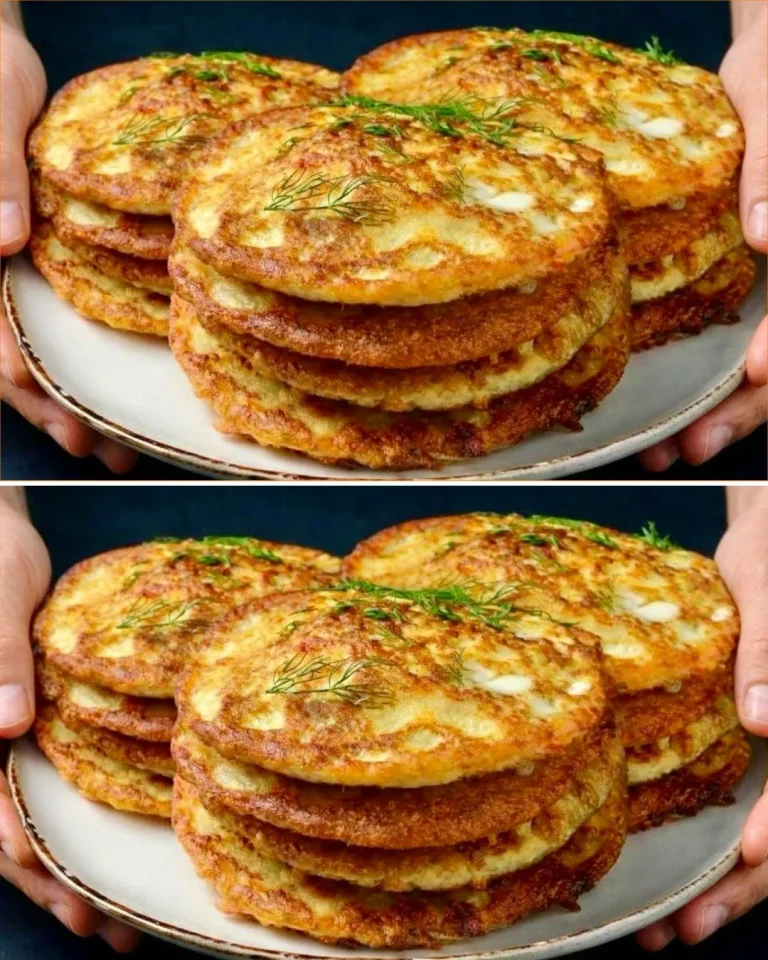
Cottage Cheese Breakfast Pancakes
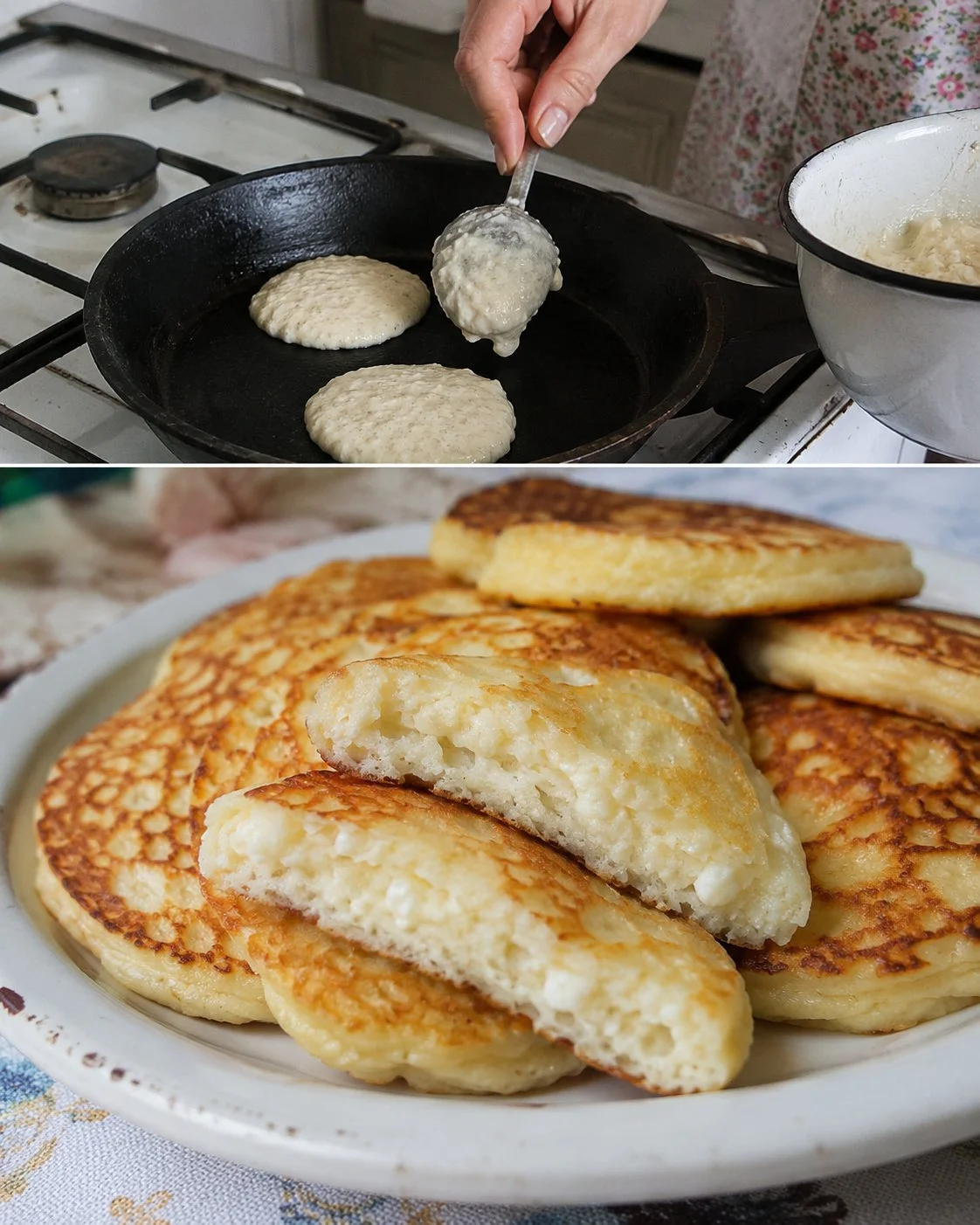
Cottage cheese breakfast pancakes offer a tasty way to start the day with a balance of protein, fiber, and natural sweetness. They’re practical when you want something quick but a little more nutritious than your average pancake. The combination of oats and cottage cheese keeps these pancakes filling, while the honey adds a gentle sweetness that feels satisfying but not overpowering. That said, if you’re watching sugar intake carefully, the honey content means they’re best enjoyed in moderation rather than as a daily staple.
This recipe is perfect for anyone who values a hearty, homemade breakfast without fuss. It blends familiar ingredients into a batter that cooks up into light, fluffy pancakes with a slight tang from the cottage cheese. One useful kitchen insight: using a blender or food processor to soften the oats helps achieve a smoother texture, preventing the pancakes from being too dense or crumbly.
Why This Recipe Is Helpful
- Uses simple, whole-food ingredients that are easy to find.
- Combines protein from cottage cheese and eggs with fiber-rich oats for sustained fullness.
- Naturally sweetened with honey, avoiding refined sugars.
- Quick and straightforward preparation ideal for busy mornings.
- Family-friendly option that suits children and adults alike.
- Flexible for slight ingredient swaps or additions based on preference.
Who This Recipe Is Best For
This pancake recipe suits busy home cooks looking for a filling breakfast or a lighter brunch treat. It’s great for those wanting to add more protein and fiber to their morning meal without complicated prep. Cottage cheese fans appreciate the slight tang and creaminess, while oat lovers benefit from the texture and added nutrition. Since the recipe avoids flour and refined sugars, it can appeal to people who prefer less processed options but still want comforting pancakes.
Who Should Be Careful
These pancakes contain honey, so they are not ideal for those who manage blood sugar tightly or are avoiding added sugars. Cottage cheese also contains dairy, making this recipe unsuitable for those with lactose intolerance or dairy allergies unless they substitute with a suitable non-dairy alternative. Because the pancakes are cooked in oil, people limiting fried foods may wish to use minimal oil or try baking versions instead.
Ingredients
- 1 cup (225 g) cottage cheese
- 2 large eggs
- 1/2 cup (45 g) rolled oats
- 2 tablespoons (30 g) honey
- 1/2 teaspoon (2.5 ml) vanilla extract
- Oil for cooking (such as vegetable or coconut oil)
Ingredient Notes
Cottage cheese is the star here, providing protein, moisture, and a mild tang that makes these pancakes stand out. The oats add texture and fiber, helping with fullness and digestion support. Honey offers natural sweetness but can be adjusted down or swapped for a sugar-free syrup depending on preference. Vanilla extract enhances flavor subtly, rounding out the taste profile. Using oil to cook gives a crisp, golden exterior but using a non-stick pan with less oil can lighten the recipe.
Kitchen Tools Needed
- Blender or food processor (optional but recommended for smoother batter)
- Mixing bowl
- Measuring cups and spoons
- Skillet or frying pan
- Spatula
Step-by-Step Instructions
-
In a blender or food processor, combine the cottage cheese, eggs, oats, honey, and vanilla extract. Blend or pulse until the mixture is mostly smooth but with a bit of texture remaining. If you don’t have a blender, you can mash the ingredients thoroughly with a fork or potato masher.
-
Heat a lightly oiled skillet over medium heat. You want the oil to be shimmering but not smoking.
-
Spoon about 2 tablespoons (30 ml) of batter for each pancake onto the skillet. Gently flatten the mound if needed, aiming for 3-inch (7.5 cm) diameter pancakes.
-
Cook for about 3 to 4 minutes on the first side until the edges start to dry and the bottom is golden brown. Flip carefully with a spatula and cook the other side for another 2 to 3 minutes until golden and cooked through.
-
Remove the pancakes and keep warm while cooking the remaining batter, adding more oil lightly if needed.
-
Serve immediately with your choice of toppings like fresh fruit, yogurt, or nut butter.
Pro Tips
- For fluffier pancakes, let the batter rest for 5 to 10 minutes so the oats absorb moisture.
- Adjust the honey depending on your sweetness preference or use maple syrup as an alternative.
- Use a non-stick pan to reduce the amount of oil needed for cooking.
- If the batter is too thick, thin with a splash of milk or water to help spread on the pan.
- Flip pancakes gently to avoid breaking, as these are softer than traditional flour-based pancakes.
- Experiment with adding cinnamon, nutmeg, or fresh berries into the batter for flavor variations.
Healthier or Lighter Swaps
- Reduce the honey to 1 tablespoon (15 g) or omit it and add fresh fruit topping for natural sweetness.
- Substitute half the oats with oat flour for a lighter texture.
- Use a minimal amount of cooking spray or a non-stick pan to cut down on oil.
- Swap cottage cheese for low-fat or Greek yogurt for a slightly different texture and protein profile.
- Bake small pancake rounds in the oven at 350°F (175°C) for about 10-12 minutes for a less oily version.
Common Mistakes
- Over-mixing the batter can make pancakes tough; blend just until combined.
- Using too much oil results in greasy pancakes; a light coating is enough.
- Cooking on too high heat may burn the outside while leaving the center uncooked.
- Not letting the batter rest can cause dense pancakes.
- Flipping too early before edges set may break the pancakes.
Variations
- Add a handful of blueberries, chopped nuts, or chocolate chips to the batter.
- Stir in a teaspoon of cinnamon or pumpkin spice for seasonal flavors.
- Replace honey with mashed banana for natural sweetness and a different flavor base.
- Fold in finely grated zucchini or carrots to sneak in some veggies.
Serving Suggestions
These pancakes pair well with fresh fruit, a dollop of Greek yogurt, or a drizzle of natural nut butter for extra protein and richness. A simple side of mixed berries can add vitamins and color to your plate. If serving for brunch, balance them with crisp bacon or sautéed greens for a savory contrast.
Storage Instructions
Store leftover pancakes tightly covered in the fridge for up to 2 days. You can also freeze them between parchment paper sheets in a zip-top bag for up to 1 month.
Reheating Tips
Reheat pancakes gently in a non-stick skillet over low heat or in the toaster oven. Avoid microwaving for long periods as this can make them rubbery. A quick warm-up on the stove helps revive the crisp edges.
Nutrition Estimate (per serving, makes about 8 pancakes)
- Calories: 120 kcal
- Protein: 9 g
- Carbohydrates: 12 g
- Fat: 4.5 g
Values are approximate and depend on specific brands and portion sizes.
Recipe Summary
Prep Time: 5 minutes
Cook Time: 15 minutes
Total Time: 20 minutes
Servings: 3-4 (about 8 small pancakes)
Cuisine: American
Course: Breakfast
Calories: ~120 per serving
Frequently Asked Questions
Is this recipe good for digestion?
The oats provide a modest amount of fiber which helps with digestion, while the cottage cheese offers protein and moisture, making it a balanced option for many.
Is this recipe suitable for people managing blood sugar?
Because of the honey and oats, it contains natural sugars and carbohydrates that may affect blood sugar. It’s best consumed in moderation or with professional guidance if you manage blood sugar carefully.
Can I make this recipe lighter?
Yes, reducing honey or using cooking spray instead of oil can lighten it. Alternatively, baking the pancakes instead of frying reduces added fat.
Is this recipe good for kids?
Yes, the mild sweetness and familiar ingredients usually appeal to kids, providing a good source of protein and fiber in a tasty format.
Can I make this without dairy?
You can try substituting cottage cheese with a thick plant-based yogurt, but the texture and protein content may change. Experimentation might be needed for best results.
These pancakes bring a satisfying blend of protein and fiber into a quick morning meal. If you appreciate cottage cheese in your recipes, consider trying related options like almond cottage cheese pancakes for a delicious twist that adds nutty flavor and texture.
Whether served plain or with your favorite toppings, these cottage cheese pancakes are a practical, tasty way to fuel your day. Just remember to handle the batter gently and adjust sweetness to your liking for the perfect start every time.