Eggless Lemon Almond Yogurt Cake
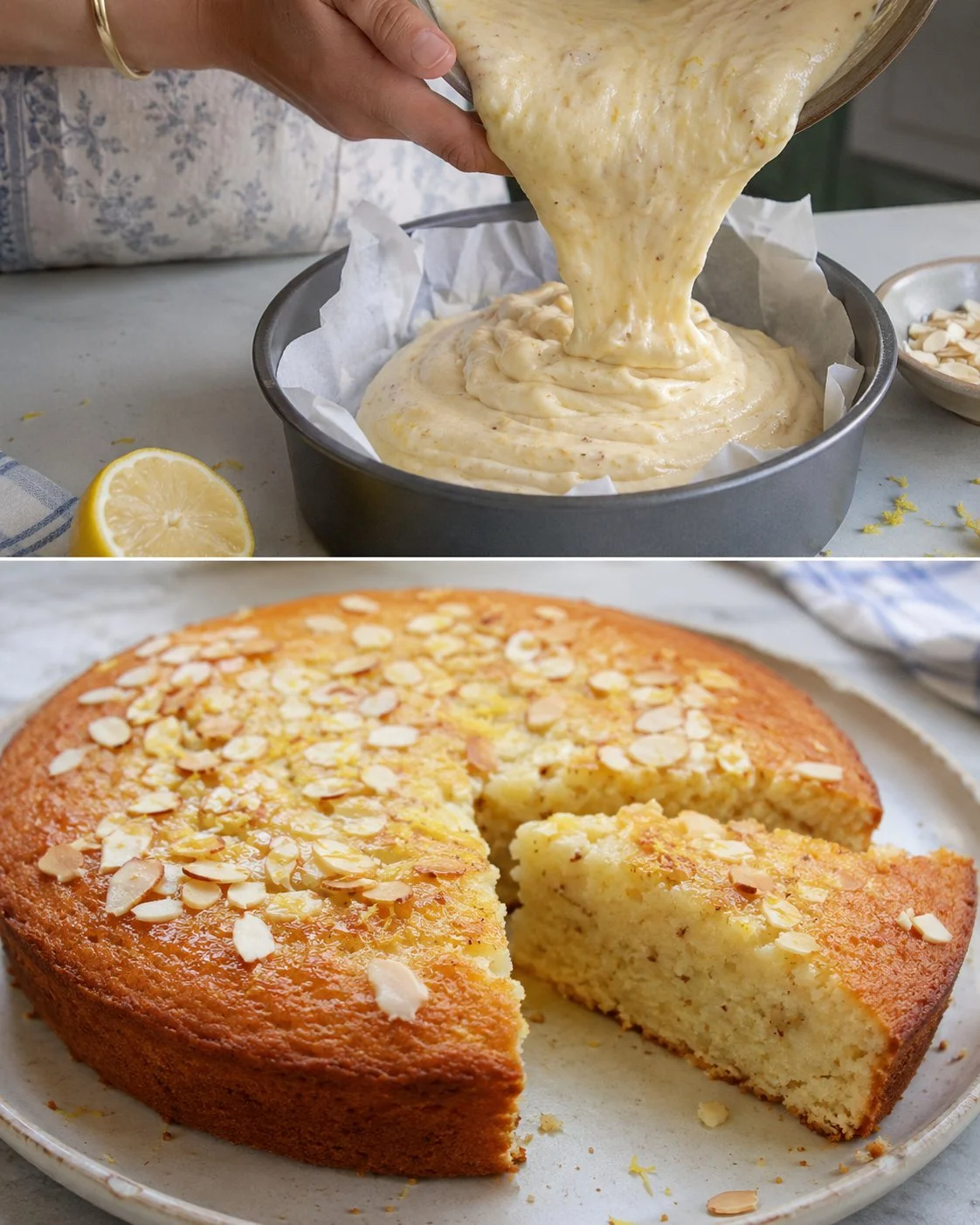
This eggless lemon almond yogurt cake is a wonderfully simple, naturally moist treat that comes together with minimal effort and wholesome ingredients. It’s perfect if you’re looking for a homemade cake without eggs that still feels satisfying and fresh, thanks to the tangy lemon zest and yogurt. The almond flour brings a lovely texture and nutty depth, while the honey provides natural sweetness, making this a dessert that can be enjoyed in moderation without refined sugars. Just a small note: because it contains honey and almond flour, it may not be ideal for those managing blood sugar closely or tracking nut intake.
This cake is ideal for home cooks who enjoy baking but want something straightforward and less reliant on conventional wheat flour or eggs. The yogurt keeps the crumb tender and moist, which means it feels lighter than many traditional cakes but still comforting. Also, the balance of lemon and almond ensures a flavor that isn’t overly sweet, with a pleasant, fresh zing. For a bit of texture and to avoid dryness, make sure not to overbake—it’s done once the top is lightly golden and the center feels set but still soft to the touch.
Why This Recipe Is Helpful
- Uses almond flour for a gluten-free-friendly base without complicated blends.
- Eggless formulation suits those avoiding eggs or with allergies.
- Yogurt adds moisture and a slight tang, reducing the need for extra oil or butter.
- Honey offers gentle, natural sweetness instead of refined sugar.
- Quick to mix and bake, with only a handful of ingredients.
- The bright lemon flavor makes it versatile for an afternoon snack or simple dessert.
Who This Recipe Is Best For
This lemon almond yogurt cake is great for anyone wanting a simple, homemade option that doesn’t call for eggs or wheat flour. It will suit busy families who appreciate a wholesome, easy-to-make treat, or anyone looking for a lighter sweet option that still feels satisfying. Those who enjoy naturally nutty flavors or prefer using yogurt in baking will find this especially appealing. The moist texture and subtle sweetness make it a nice change from typical sugary cakes.
Who Should Be Careful
People managing nut allergies or blood sugar should exercise caution due to the almond flour and honey content. While it’s a more natural sweetness source, honey still impacts blood sugar levels and the recipe might not be suitable for strict low-sugar diets. Because it uses almond flour, it’s not a suitable gluten substitute for those with nut sensitivities. Also, those relying heavily on precise calorie counts should be mindful of the calorie density from nuts and oil.
Ingredients
- 2 cups (200 g) almond flour
- 1 cup (240 ml) plain yogurt (full-fat or low-fat)
- 1/3 cup (113 g) honey
- 1/4 cup (60 ml) neutral oil (such as sunflower or light olive oil)
- Zest of 1 lemon
- 2 tablespoons (30 ml) fresh lemon juice
- 1 teaspoon (5 g) baking powder
Ingredient Notes
Almond flour provides a gluten-free, nutrient-dense base and lends a slightly moist and crumbly texture. Plain yogurt is key for moisture and subtle acidity, which enhances the lemon flavor and keeps the cake tender. Honey is chosen as the sweetener for its natural profile, but you could swap for maple syrup if preferred. Lemon zest and juice brighten the cake and give it that fresh, distinctive aroma. Baking powder ensures a gentle rise, so don’t omit it—this cake isn’t heavy like a yeast bread, but it needs that lift for the right texture.
Kitchen Tools Needed
- Mixing bowl
- Whisk or spoon for combining
- Measuring cups and spoons
- Baking pan (8-inch square or 9-inch round recommended)
- Parchment paper or non-stick spray
- Oven
Step-by-Step Instructions
- Preheat your oven to 180°C (350°F). Line your baking pan with parchment paper or grease it lightly to prevent sticking.
- In a large bowl, combine the almond flour and baking powder, mixing well to distribute the leavening evenly.
- Add the yogurt, honey, oil, lemon zest, and lemon juice into the dry ingredients. Stir gently until a thick, uniform batter forms. The batter should be thick but spreadable; if too runny, check your yogurt consistency or almond flour freshness.
- Pour the batter into the prepared pan, spreading it smoothly with a spatula.
- Bake for about 25 to 30 minutes. Check at 25 minutes by gently pressing the center—if it springs back and the top is lightly golden, it’s done. Avoid overbaking to keep moisture.
- Let the cake cool in the pan for 10 minutes before transferring it to a wire rack to cool completely.
Pro Tips
- Use freshly zested lemon for the best flavor; dried zest won’t give the same brightness.
- Room temperature ingredients mix better; cold yogurt or oil can cause lumps.
- Avoid overmixing once wet and dry ingredients combine to keep the texture light.
- Test doneness with a toothpick or by gently pressing the center; underbaking leads to sogginess, overbaking to dry crumb.
- Store this cake covered to maintain its moisture—especially important with almond flour.
- This recipe pairs nicely with a dollop of plain yogurt or fresh berries when serving.
Healthier or Lighter Swaps
If you prefer a lighter texture, using Greek yogurt can boost protein content and create a creamier crumb. For a slightly reduced sugar version, cut the honey to 1/4 cup (85 g), but be prepared for a less sweet, more tart cake. Replacing oil with unsweetened applesauce is an option to lower fat, though it may affect the moistness and crumb slightly. Since almond flour is naturally richer in calories, smaller slices can help keep portions balanced.
Common Mistakes
- Overbaking the cake; almond flour can dry out quickly, so watch for the golden top and soft center.
- Using low-fat yogurt that’s too runny can thin the batter excessively—prefer plain or Greek yogurt with natural thickness.
- Forgetting to mix baking powder evenly, which causes uneven rise.
- Using bottled lemon juice only can mute the fresh zest flavor. Fresh lemon juice balances the honey sweetness best.
- Skipping parchment or greasing the pan well can make removal tricky due to the moist batter.
Variations
- Add a handful of fresh blueberries or raspberries to the batter for a fruity twist.
- Sprinkle sliced almonds on top before baking for extra crunch.
- Mix in a teaspoon of vanilla extract or almond extract for more complexity.
- Swap lemon for orange zest and juice for a sweeter, citrusy variation.
Serving Suggestions
This cake is delightful served slightly warm or cold. Pair it with plain or Greek yogurt and fresh fruit for a balanced snack or light dessert. For a brunch setting, a spread of berries and a cup of tea or coffee complements its delicate flavors well. Because of its almond richness, keep other sides light and fresh to balance.
Storage Instructions
Store the cake tightly covered at room temperature for up to 2 days, or refrigerate up to 5 days wrapped well to maintain moisture. Almond flour-based cakes can dry out quickly if left uncovered, so airtight storage is essential.
Reheating Tips
Reheat gently in a low oven (150°C / 300°F) for 5 to 8 minutes or microwave briefly in 15-second intervals to avoid drying out. Reheating restores some freshness but avoid overdoing it.
Nutrition Estimate
Per serving (assuming 8 servings):
Calories: ~250 kcal
Protein: 6 g
Carbohydrates: 20 g
Fat: 16 g
Values are approximate and depend on exact brands and portion size. The protein and healthy fats from the almond flour make this a filling option compared to conventional cakes, but watch portions if monitoring calorie intake.
Recipe Summary
Prep Time: 10 minutes
Cook Time: 25–30 minutes
Total Time: 35–40 minutes
Servings: 8
Cuisine: Baking, Gluten-Free-friendly (due to almond flour)
Course: Dessert / Snack
Calories: ~250 per serving
Frequently Asked Questions
Is this recipe good for digestion?
Thanks to the yogurt and almond flour’s fiber, this cake offers some digestive benefit but should be enjoyed in moderation due to its fat content. It’s lighter than many egg-based cakes but still a treat.
Is this recipe suitable for people managing blood sugar?
Because it contains honey and almond flour, which can impact blood sugar differently than refined flour, it may be better suited for those who prefer natural sweeteners but should be eaten mindfully by people managing blood sugar.
Can I make this recipe lighter?
Yes, swapping regular yogurt for Greek yogurt and reducing honey slightly can lighten the cake’s profile without losing moistness. Avoid removing oil entirely, or expect a drier cake.
Is this recipe good for kids?
Most kids enjoy its mild sweetness and bright lemon flavor, and the moist texture tends to please picky eaters. Just remember to serve in moderate portions if concerned about sugar.
Can I make this without eggs and still get a good texture?
This recipe is designed eggless and relies on yogurt and almond flour to achieve a tender crumb without eggs, making it suitable for those with egg allergies or preferences.
For a slightly different lemon yogurt cake option, you might enjoy exploring a classic easy lemon yogurt cake recipe which balances accessibility with bright citrus flavor.
This eggless lemon almond yogurt cake offers a perfect balance of moistness, natural sweetness, and fresh citrus that makes it a reliable go-to recipe. Its simplicity means less fuss in the kitchen, and with a few tweaks, it can fit nicely into various dietary preferences without compromising on flavor or texture.