Classic French Yogurt Cake: Simple Recipe for Home Baking
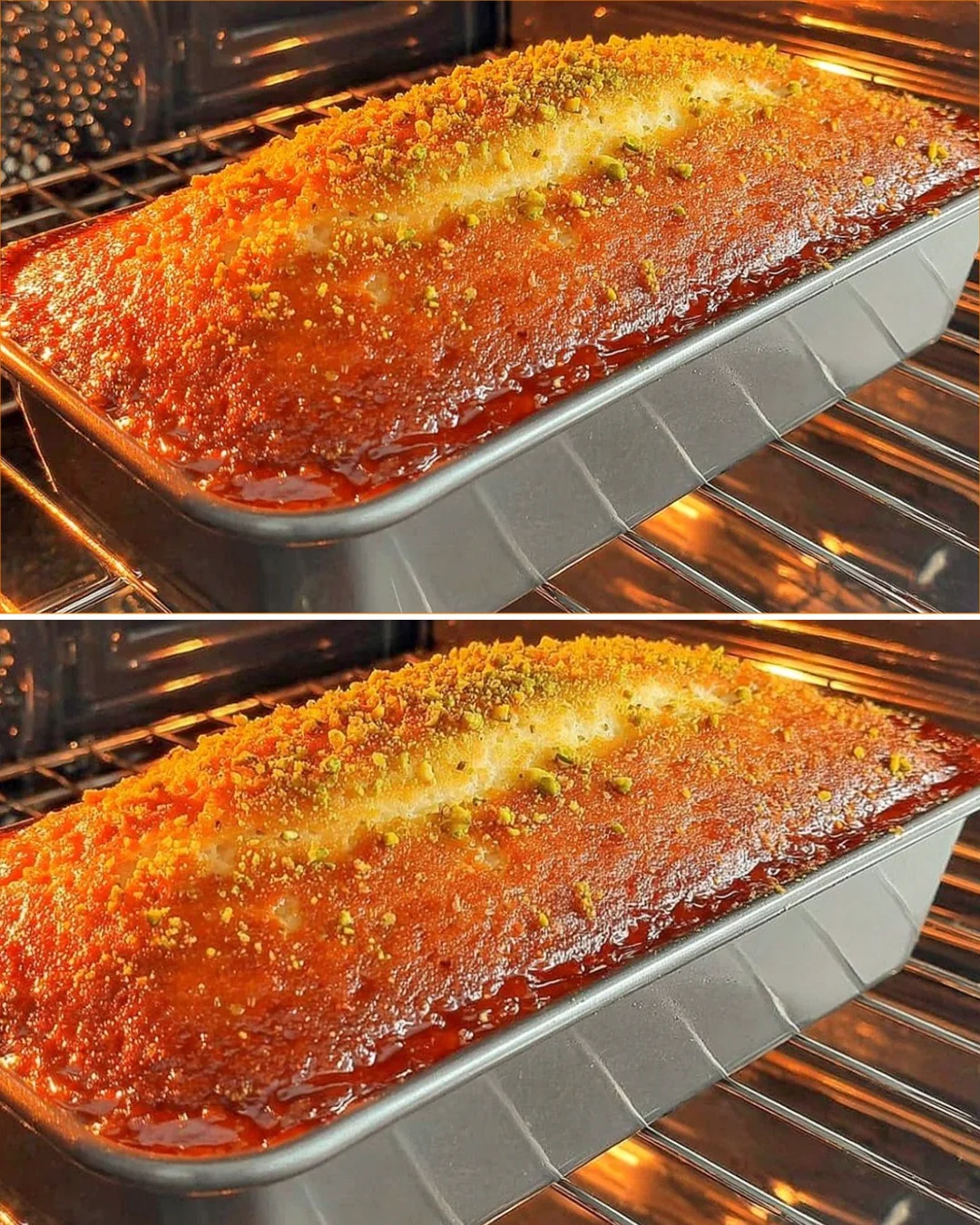
This lemon yogurt cake is the kind of old-fashioned bake that keeps showing up in home kitchens for a reason. It’s simple, reliable, and surprisingly elegant for something made with everyday ingredients. The batter comes together in one bowl, the crumb stays soft for days, and the lemon keeps the flavor bright without making the cake heavy or overly sweet.
I tested this more than once, and the biggest surprise was how well the yogurt keeps the texture tender even after a full day. The strawberry jam and pistachios on top add just enough color and contrast to make it feel special, which is probably why this style of French yogurt cake has become such a favorite for casual baking and weekend tea time.
Why You’ll Love This Recipe
- Made with basic pantry ingredients, so it’s easy to bake on short notice
- The yogurt creates a moist, delicate crumb that stays soft for days
- Lemon zest and juice keep the flavor fresh and balanced
- Strawberry jam adds a pretty finish and a light fruity layer
- Chopped pistachios give a nice crunch and a subtle nutty flavor
- It’s a dependable cake for beginners, and the batter is forgiving if mixed gently
Ingredients
- 3 large eggs, room temperature
- 1 cup (200 g) granulated sugar
- 1/4 teaspoon fine salt
- 1 teaspoon vanilla extract
- 1/2 cup plus 1 tablespoon (120 ml) neutral oil, such as sunflower or canola
- 3/4 cup plus 1 tablespoon (180 g) plain yogurt
- Zest of 1 lemon
- 2 tablespoons (30 ml) fresh lemon juice
- 2 cups minus 2 tablespoons (250 g) all-purpose flour
- 1 tablespoon plus 2 teaspoons (15 g) baking powder
- 1/3 cup (about 80 g) strawberry jam, for the topping
- 2 to 3 tablespoons finely chopped pistachios, for garnish
Ingredient Notes
The yogurt should be plain and unsweetened. I used regular whole-milk yogurt in testing, and it gave the best soft crumb. Greek yogurt works too, but if it’s very thick, loosen it slightly with 1 to 2 tablespoons (15 to 30 ml) of milk so the batter spreads properly.
Use a neutral oil rather than butter here. Oil keeps the cake softer and more moist after cooling, which is one of the reasons this style of French yogurt cake is so popular.
Fresh lemon zest matters more than bottled juice in this recipe. The zest gives the cake its fragrance, while the juice sharpens the flavor. If your lemon is large, zest only the yellow part and avoid the bitter white pith.
Strawberry jam is best warmed slightly before spreading so it glides over the cooled cake instead of tearing the surface. Pistachios should be finely chopped so they stick well and add crunch without falling off in thick pieces.
Kitchen Tools Needed
- 27 x 18 cm (11 x 7 inch) baking dish
- Parchment paper
- Large mixing bowl
- Whisk
- Rubber spatula
- Fine-mesh sieve or sifter
- Microplane or fine grater
- Cooling rack
- Offset spatula or spoon for the jam
Step-by-Step Instructions
-
Preheat the oven to 175°C (350°F). Line a 27 x 18 cm (11 x 7 inch) baking dish with parchment paper, leaving a little overhang for easy lifting.
-
In a large bowl, whisk together the eggs, sugar, salt, and vanilla until the mixture looks slightly lighter and well combined. This takes about 1 minute by hand.
-
Whisk in the oil, yogurt, lemon zest, and lemon juice until smooth. The batter will look loose at this stage, which is exactly right.
-
Sift in half of the flour and half of the baking powder. Fold gently with a spatula until just combined.
-
Add the remaining flour and baking powder, then fold again only until you no longer see dry streaks. Do not overmix. A few small lumps are better than a tough cake.
-
Pour the batter into the prepared dish and smooth the top with a spatula.
-
Bake for 35 to 40 minutes, or until the top is lightly golden and a toothpick inserted in the center comes out clean or with a few moist crumbs.
-
Let the cake cool in the pan for 10 to 15 minutes, then lift it out and cool completely on a rack. The jam goes on best when the cake is fully cool.
-
Warm the strawberry jam briefly if needed, then spread it in a thin, even layer over the top.
-
Sprinkle the finely chopped pistachios over the jam. Slice into squares or rectangles and serve.
Pro Tips
- Whisk the eggs and sugar well at the start. You do not need to whip them to a foam, but a little aeration helps the cake rise more evenly.
- Fold the flour in gently. On my first test, I overmixed slightly and the cake was still good, but the crumb was denser than it should have been.
- Check the cake a few minutes early if your oven runs hot. This batter bakes quickly and can dry out if left too long.
- Let the cake cool completely before adding the jam. If the cake is even slightly warm, the topping can slide and soak in unevenly.
- If your jam is thick, warm it for 10 to 15 seconds in the microwave or loosen it with 1 teaspoon of warm water.
- Finely chop the pistachios so they cling to the jam and slice cleanly.
Common Mistakes to Avoid
- Overmixing the batter after adding the flour. This is the most common reason the cake turns out rubbery.
- Spreading jam on a warm cake. It can melt into the crumb and make the top sticky.
- Using too much lemon juice. A little brightens the cake, but extra juice can throw off the texture.
- Underbaking the center. The top may look done before the middle is fully set, so always test with a toothpick.
- My first attempt mistake was cutting the cake too soon. It slices much cleaner after it has cooled completely.
Variations
- Replace strawberry jam with raspberry or apricot jam for a different fruit finish.
- Add 1/2 teaspoon almond extract with the vanilla for a slightly more bakery-style flavor.
- Fold 1/2 cup (75 g) fresh blueberries into the batter before baking for a juicier version.
- Skip the jam and dust the cooled cake with powdered sugar for a simpler tea cake presentation.
Serving Suggestions
Serve the cake at room temperature with tea, coffee, or a glass of cold milk. It works well as an afternoon snack, a light dessert, or part of a brunch spread. For a prettier presentation, cut it into neat squares and serve with a few extra berries on the side.
Storage Instructions
Store leftover cake in an airtight container at room temperature for up to 2 days. If your kitchen is warm, refrigerate it for up to 5 days. The jam topping may soften a little in the fridge, but the cake stays moist.
Reheating Tips
This cake is best served at room temperature, so reheating is usually unnecessary. If you want it slightly warm, heat a slice in the microwave for 8 to 10 seconds. Avoid overheating, or the jam can become overly soft.
Nutrition Estimate
Per serving, based on 12 servings:
- Calories: about 280
- Protein: 4 g
- Carbohydrates: 38 g
- Fat: 12 g
Recipe Summary Card
- Prep Time: 15 minutes
- Cook Time: 35 to 40 minutes
- Total Time: 50 to 55 minutes
- Servings: 12
- Cuisine: French
- Course: Dessert, Snack, Tea Cake
- Calories: about 280 per serving
Frequently Asked Questions
Can I use Greek yogurt instead of regular yogurt?
Yes. If it is very thick, thin it slightly with a little milk so the batter stays easy to mix and spread.
Why is my cake dry?
It was likely overbaked or mixed too much after the flour was added. Start checking a few minutes early and fold the batter gently.
Can I make this cake without the lemon?
Yes, but the flavor will be milder. You can replace the lemon with orange zest for a softer citrus note.
Do I have to use strawberry jam?
No. Raspberry, apricot, or cherry jam all work well. Just use a thin layer so the topping doesn’t overpower the cake.
Can I bake this in a round pan?
Yes, a similar-size pan works, but the baking time may change slightly. Start checking for doneness around the 32-minute mark.
Conclusion
This lemon yogurt cake is one of those simple bakes that feels greater than the sum of its parts. It’s soft, bright, and easy enough to make on a regular weeknight, yet polished enough to serve to guests. Once you make it, the method quickly becomes second nature.
Tested Note
I tested this again and found that a fully cooled cake gives the cleanest slices and the nicest jam layer. The texture also improved after sitting for an hour, which made the crumb feel even more tender.