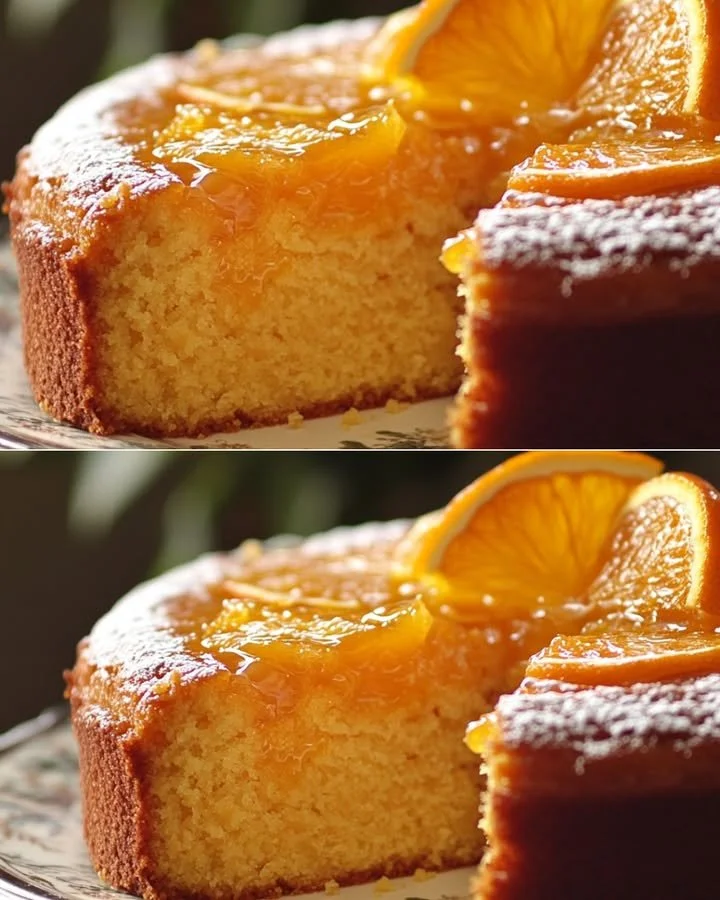
Italian Lemon Cake: Light and Zesty Recipe for Any Occasion
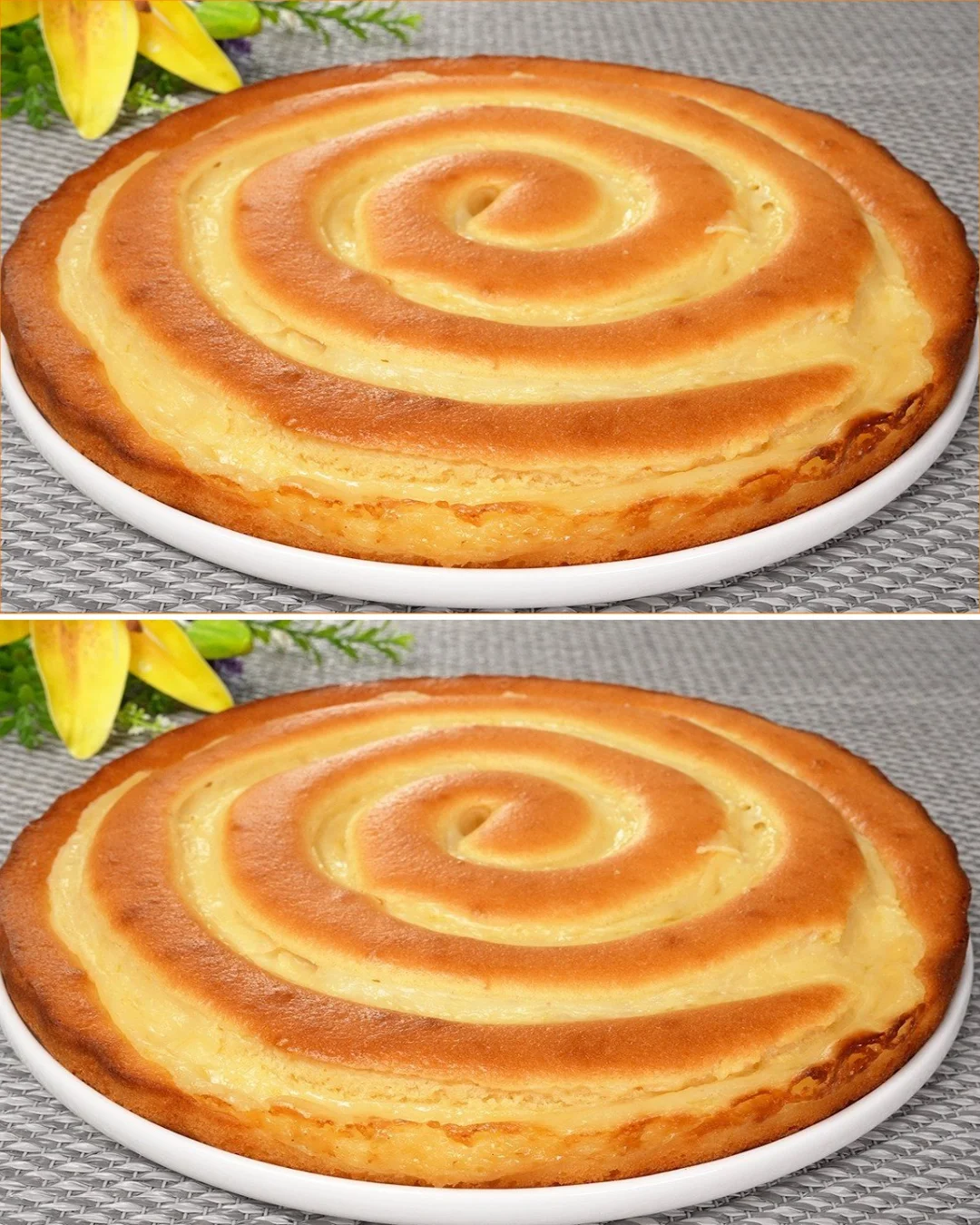
This Italian lemon cake has the kind of sunny, bakery-style flavor that never goes out of season. It works especially well when you want something elegant but not fussy: the crumb is soft, the lemon flavor is bright without being sharp, and the silky milk-and-lemon cream gives it a finish that feels a little more special than a plain snack cake. I tested this one a few times, and the biggest surprise was how much better it tasted after a short chill. The cake itself stays tender, while the lemon cream sets just enough to slice cleanly. If you like simple Italian-style desserts that look impressive with very little decorating, this is one worth keeping.
Why You’ll Love This Recipe
- Soft, moist crumb with a fresh lemon flavor throughout
- The lemon cream adds a bakery-style finish without extra fuss
- Uses simple pantry ingredients you likely already have
- Great for brunch, afternoon coffee, or a light dessert
- The texture improves after chilling, which makes it ideal for making ahead
- Easy enough for beginners, but polished enough to serve guests
Ingredients
For the cake:
- 3 large eggs, room temperature
- 1/2 cup (100 g) granulated sugar
- 1 pinch salt
- 1/4 cup (60 g) plain yogurt
- Zest of 1 lemon
- 3 tablespoons (45 ml) lemon juice, from about 1 lemon
- 1/4 cup (60 g) unsalted butter, melted and slightly cooled
- 1 1/3 cups (170 g) all-purpose flour
- 1 teaspoon (5 g) baking powder
For the lemon cream:
- 1 large egg
- Remaining lemon zest, from the same lemon
- Remaining lemon juice, about 2 tablespoons (30 ml)
- 1/4 cup (60 g) granulated sugar
- 3 tablespoons (30 g) cornstarch
- 1 cup (240 ml) whole milk
For finishing:
- Butter, for greasing the pan
- Parchment paper
- Powdered sugar, for dusting
Ingredient Notes
The yogurt helps keep the cake soft and adds a slight tang that pairs well with lemon. Plain full-fat yogurt works best, but Greek yogurt thinned with a spoonful of milk also works in a pinch.
Use fresh lemon zest if possible. It gives the cake a much better aroma than bottled lemon flavoring, and it’s doing most of the heavy lifting here.
Melted butter gives the cake a richer, more tender crumb than oil in this style of recipe. Let it cool a few minutes before mixing so it does not scramble the eggs.
For the cream, cornstarch is what creates the custard-like texture. I do not recommend swapping it out unless you’re very comfortable adjusting custards, because the consistency matters here.
Kitchen Tools Needed
- Mixing bowls
- Whisk
- Microplane or fine grater
- Small saucepan
- 8-inch or 9-inch round cake pan
- Parchment paper
- Rubber spatula
- Wire cooling rack
Step-by-Step Instructions
-
Preheat your oven to 350°F (180°C). Grease an 8-inch or 9-inch round cake pan with butter and line the bottom with parchment paper.
-
Zest the lemon first, then juice it. This is one of those small steps that saves frustration later, because once the lemon is cut, zesting gets awkward.
-
In a large bowl, whisk together the 3 eggs, 1/2 cup (100 g) sugar, and a pinch of salt until the mixture looks lighter and slightly foamy, about 1 minute.
-
Whisk in the yogurt, lemon zest, lemon juice, and melted butter. The batter may look a little loose at this stage, and that is normal.
-
Add the flour and baking powder. Mix just until smooth and no dry flour remains. Do not overmix; the first time I tested this, I stirred too long and the cake came out a bit tighter than I wanted.
-
Pour the batter into the prepared pan and smooth the top.
-
Bake for 30 to 35 minutes, or until the top is lightly golden and a toothpick inserted in the center comes out clean or with just a few moist crumbs.
-
While the cake bakes, make the lemon cream. In a saucepan, whisk together the egg, remaining lemon zest, remaining lemon juice, 1/4 cup (60 g) sugar, cornstarch, and milk until smooth.
-
Set the pan over medium heat and cook, stirring constantly with a whisk or spatula, until the mixture thickens into a smooth custard, 5 to 8 minutes. Keep the heat moderate so the egg does not scramble.
-
Once thick, remove from the heat and whisk for another 20 to 30 seconds to make the cream extra smooth. If you see a few lumps, strain it through a fine sieve while it is still hot.
-
Let the cake cool in the pan for 10 minutes, then transfer it to a wire rack. Allow it to cool completely before dusting with powdered sugar.
-
Serve the cake plain with a spoonful of the lemon cream on the side, or spread the cream over the top once both are fully cool. For the cleanest slices, chill the cake for at least 30 minutes after adding the cream.
Pro Tips
- Room-temperature eggs blend more smoothly and give the cake a finer crumb.
- Stir the batter only until combined. Overmixing can make it denser than it should be.
- Keep the custard moving while it cooks. I found that even a few seconds of inactivity on the bottom can lead to small lumps.
- If you want sharper lemon flavor, rub the zest into the sugar with your fingers before adding the wet ingredients.
- Chill the finished cake before slicing if you want neat squares or wedges.
Common Mistakes to Avoid
- Using high heat for the lemon cream. It can thicken too fast and turn lumpy.
- Adding the flour too early and overmixing the batter.
- Taking the cake out before the center is set. The top may look done while the middle still needs a few more minutes.
- Dusting with powdered sugar before the cake is fully cool, which can make it melt into the surface.
- First-attempt mistake: I once spread the cream on while the cake was still warm, and it softened the top too much. Cool it first for the best texture.
Variations
- Add 1/2 teaspoon vanilla extract to the cake batter for a softer, rounder flavor.
- Replace part of the lemon zest with orange zest for a gentler citrus profile.
- Top with fresh berries, especially raspberries or blueberries, for a fresher presentation.
- Make it extra elegant by serving with lightly sweetened whipped cream instead of, or in addition to, the lemon cream.
Serving Suggestions
This lemon cake is lovely served slightly chilled with a dusting of powdered sugar. It pairs well with coffee, tea, or an after-dinner espresso. If you want to turn it into a more dessert-like presentation, add a few fresh berries or a spoonful of the lemon cream on each plate.
Storage Instructions
Store the cake covered in the refrigerator for up to 4 days, especially if you’ve added the cream. If you keep the cake plain, it can stay at room temperature for 1 day, tightly covered, but the cream is best kept chilled.
For longer storage, wrap slices well and freeze the plain cake for up to 2 months. I do not recommend freezing the cream, as the texture can turn grainy after thawing.
Reheating Tips
This cake is best served cool or at room temperature rather than hot. If you want to take the chill off a refrigerated slice, let it sit out for 15 to 20 minutes before serving. Avoid microwaving the cream, since it can soften or separate.
Nutrition Estimate
Per serving, estimated for 8 servings:
- Calories: 285
- Protein: 7 g
- Carbs: 41 g
- Fat: 10 g
Recipe Summary Card
- Prep Time: 20 minutes
- Cook Time: 30 to 35 minutes
- Total Time: 50 to 55 minutes
- Servings: 8
- Cuisine: Italian-inspired
- Course: Dessert
- Calories: 285 per serving
Frequently Asked Questions
Can I make this cake ahead of time?
Yes. In fact, it tastes even better after a short chill, which helps the lemon cream set and makes the flavor taste more developed.
Can I use Greek yogurt instead of regular yogurt?
Yes, but thin it slightly with a spoonful of milk if it is very thick. You want the batter to stay smooth and pourable.
Why is my lemon cream lumpy?
Usually the heat was too high or the mixture wasn’t whisked constantly. If that happens, strain it right away while warm.
Can I use bottled lemon juice?
Fresh lemon juice is strongly recommended. Bottled juice tends to taste flatter and less fragrant in a cake this simple.
What pan works best?
An 8-inch or 9-inch round pan works well. If you use a 9-inch pan, the cake will bake a little faster and be slightly thinner.
Conclusion
This is the kind of lemon cake that feels homey but still looks polished enough for company. The batter is simple, the cream is straightforward, and the final result tastes brighter and more balanced than you might expect from such a short ingredient list. If you love easy citrus desserts, this one is worth making on repeat.
Tested Note
I tested this cake both plain and with the lemon cream, and the chilled version was the clear favorite. The texture set up beautifully after resting, and the slices held their shape much better the next day.